How to Choose the Right Plastic Box for Global Sourcing
Choosing the right plastic box for global sourcing requires more than comparing unit prices. The box must protect products, survive handling, and fit the realities of international transport. A cheap design can become expensive after damaged goods, replacement orders, or unused container space.
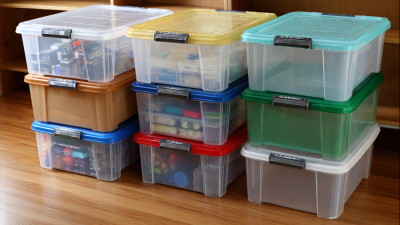
Walter Soroka, author of Fundamentals of Packaging Technology, describes packaging as “a coordinated system of preparing goods for transport, distribution, storage, retailing, and end use.” This principle applies directly to every plastic box selection. Buyers should examine resin type, wall thickness, hinge strength, stackability, and closure performance. A polypropylene box may suit repeated handling, while another application may require impact-resistant ABS or recycled-content material. The decision depends on product weight, temperature, moisture, and expected service life.
Measure the product carefully. Leave enough clearance for protective inserts, but avoid oversized cavities that waste freight volume. Check whether the box fits standard pallets and shipping cartons. Ask suppliers for sample units, material declarations, compression results, and drop-test records. Real samples reveal problems that drawings often hide, such as lids that loosen during vibration or corners that crack in cold warehouses.
Pricing still matters. However, tooling, minimum order quantities, inspection, freight, duties, and storage can change the final cost. Supplier reliability matters just as much. Confirm production capacity, quality controls, and communication practices before placing a large order. Some choices will remain imperfect. A stronger plastic box may cost more, while a lighter one may reduce emissions and shipping expense. Good sourcing balances protection, compliance, durability, and practical commercial judgment.

Define the Functional Requirements of the Plastic Box
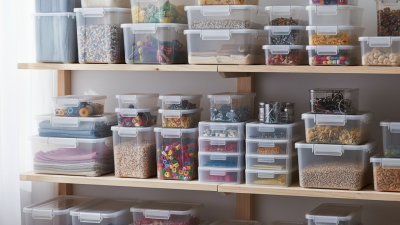
Before comparing suppliers, define what the plastic box must do in daily use. A storage box for small components needs different features from one used for food-contact applications. Record the product dimensions, weight, quantity, and handling method. Leave enough clearance for easy removal, but avoid excessive empty space.
Consider the working environment carefully. Will the box face moisture, dust, sunlight, cold storage, or repeated cleaning? Material selection should match these conditions. For heavy contents, check the base strength and wall thickness. If boxes will be stacked, specify the maximum load per layer and the required stacking height. A secure lid may prevent spills, but it can slow warehouse operations. That trade-off matters.
I once approved a sample based mainly on its appearance. It looked strong, yet the corners cracked during a drop test. That mistake showed why practical testing should guide the specification. Request samples with clear measurements, material details, load data, and test records. Check whether hinges, handles, and closures survive repeated use. Small parts deserve attention too. They often fail first.
Define acceptable color variation, surface finish, labeling areas, and tolerance ranges before requesting quotations. These details reduce disputes between factories and buyers. For global sourcing, ask for consistent inspection procedures and documented material information. A specification that is easy to measure is easier to control. Vague requirements create expensive surprises.
Evaluate Size, Design, and Protection for International Transport
How to Choose the Right Plastic Box for Global Sourcing
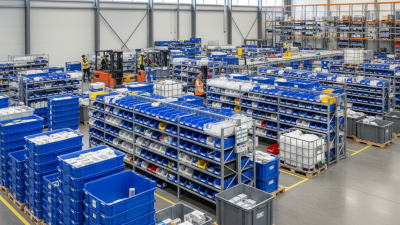
International transport demands more than a box that simply fits. More than 80% of global merchandise trade moves by sea, according to UNCTAD’s Review of Maritime Transport 2024. Sea routes expose packaging to vibration, humidity, salt air, and repeated handling. Choose internal dimensions carefully. A box should hold the product firmly, while leaving enough space for cushioning and thermal movement. Oversized containers increase shifting and freight volume. Tight boxes can crush corners. That mistake is common.
Design affects loading speed and protection. Stackable walls, reinforced rims, secure lids, and smooth internal surfaces reduce handling risks. For fragile goods, test the complete package rather than the empty box. ASTM D4169 and ISO 2248 provide useful distribution and drop-testing methods.
The World Bank’s Logistics Performance Index 2023 also highlights the importance of shipment tracking and delivery reliability. A box with a clear identification area supports better control during long, multi-stage journeys. It sounds minor. It is not.
Tips:
Check compression strength after temperature and humidity exposure. Measure both usable space and external dimensions. Ask suppliers for material specifications, load limits, and test records. Recycled plastic may reduce environmental impact, but its consistency can vary between batches. That deserves review. We should also admit that laboratory testing cannot reproduce every port delay, careless lift, or wet warehouse. Run a small pilot shipment first, inspect scuffs and lid movement, then adjust the design before global volume purchasing.
Check Supplier Standards, Customization, and Quality Control
How to Choose the Right Plastic Box for Global Sourcing
A plastic box is more than a container. Supplier standards, customization, and quality control determine its real value. The OECD’s Global Plastics Outlook reports that global plastic production reached 460 million tonnes in 2019. Packaging represented about 40% of demand. This scale makes supplier discipline essential.
Ask for a valid quality management certificate, documented inspection procedures, and traceable raw-material records. Request resin specifications and a certificate of analysis for each production batch. Check wall thickness at corners, lid fit, weight, color consistency, and drop-test results. A factory sample may look excellent, yet mass production can reveal warping or brittle hinges. I have seen this gap cause unnecessary repacking and delays. It deserves more attention.
Customization should begin with a technical drawing, not a sales promise. Confirm dimensions, tolerances, mold ownership, surface finish, printing limits, minimum order quantity, and approved color samples. The International Organization for Standardization’s ISO 2859-1 provides sampling guidance for inspection, but sampling cannot replace process control. A supplier should monitor first-piece approval, in-process checks, and final carton audits. Perfect inspection is unrealistic. Weak records are not.
Tips: Compare two or three approved samples. Test boxes under actual stacking conditions. Keep a signed “golden sample” for future production. Ask what happens when results fail. A clear corrective-action report often reveals more than a polished factory tour.
Assess Costs, Regulations, and Global Shipping Considerations
How to Choose the Right Plastic Box for Global Sourcing
A low unit price can hide expensive global sourcing problems. Compare tooling, samples, inspection, packaging, freight, duties, and possible returns. Ask for a clear quotation with currency, payment terms, and delivery conditions. A box that nests efficiently can reduce pallet volume and ocean freight. Measure the packed carton, not only the empty box. I once underestimated carton height, and the shipment required more pallet space than planned.
Regulations need equal attention. Confirm the plastic type and request material declarations, test reports, and production records. Food-contact, chemical, recycling, labeling, and packaging rules may differ between destination markets. Requirements can also change. Verify current guidance through official authorities or qualified compliance specialists. Do not rely only on a supplier’s verbal promise. Keep approved samples and written specifications for future inspections.
Tips: Build a landed-cost table before ordering. Include product price, tooling, testing, inland transport, insurance, duties, and storage. Check whether the box is reusable, recyclable, or restricted by local packaging rules. Protect corners with suitable cartons and moisture-resistant wrapping. Request a small trial shipment first. It may feel slower, but it can reveal crushed lids, color variation, or odor issues. Choose delivery terms carefully, since unclear responsibility can create unexpected charges. My early preference was always the cheapest freight option. That was not always the cheapest decision.