Top Plastic Box Options for Global Buyers in 2026?
The plastic box market is evolving rapidly, driven by consumer demand and innovation. According to a recent report by MarketsandMarkets, the global plastic packaging market is projected to reach $500 billion by 2026, with plastic boxes playing a significant role in this growth. These versatile containers are favored for their durability and cost-effectiveness, making them essential in various industries, including food, pharmaceuticals, and retail.
Industry analysts highlight that the adaptability of plastic boxes enhances operational efficiency. They are available in multiple sizes and designs, catering to diverse needs. However, the environmental impact of plastic waste remains a significant concern. Manufacturers are challenged to create sustainable options while maintaining product integrity. Some companies are exploring biodegradable alternatives, yet the transition is complex and often slow.
As buyers consider their options in 2026, understanding these dynamics is crucial. The balance between utility and sustainability will shape purchasing decisions. Implementing effective recycling solutions could further dictate market trends. The future demands careful reflection on both the benefits and challenges associated with plastic boxes.
Overview of Plastic Box Types and Their Uses in Global Markets
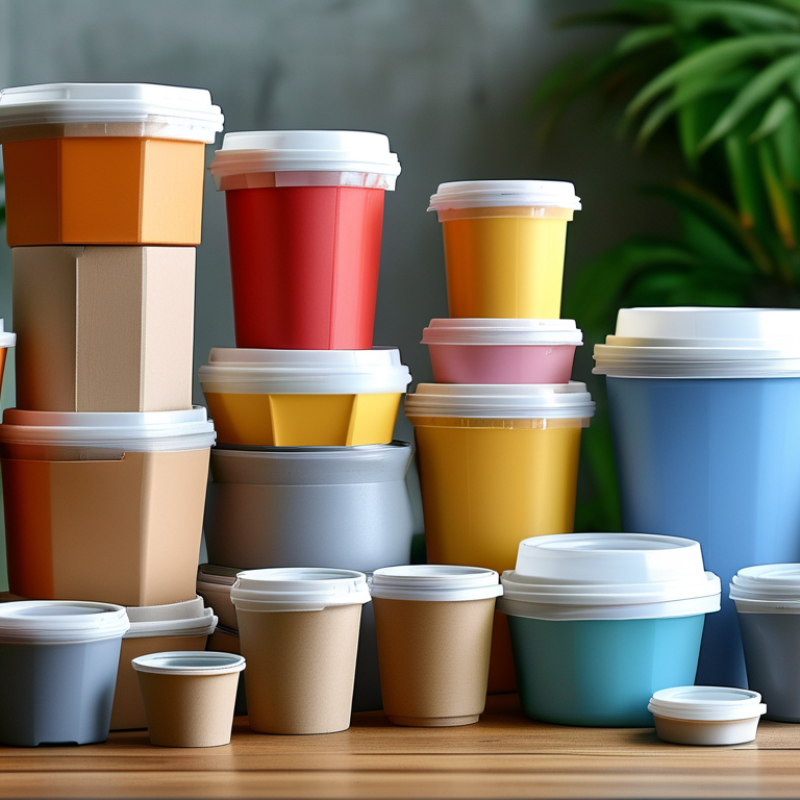
Plastic boxes have become essential in various global markets due to their versatility and functionality. These boxes come in different types, catering to diverse needs. For example, stackable boxes are ideal for efficient storage in warehouses. They maximize vertical space and enhance inventory management. On the other hand, food-safe containers play a crucial role in the food industry. Businesses rely on them to maintain hygiene and preserve freshness.
When choosing plastic boxes, consider the intended use. Different materials offer varying levels of durability and chemical resistance. Avoid low-quality options, as they may degrade quickly, leading to additional expenses. Look for boxes with secure lids, especially for transportation. This minimizes spillage and ensures that your items remain safe during transit.
It's essential to reflect on the environmental impact of plastic. Opt for recyclable or biodegradable materials whenever possible. Consumer awareness is growing, and businesses may face scrutiny if they overlook sustainability. Educating yourself on eco-friendly options can enhance your brand's reputation and appeal in the market. Remember, thoughtful choices today lead to a better tomorrow.
Key Factors Influencing Plastic Box Selection in 2026
In 2026, selecting the right plastic box will depend on several critical factors. Sustainability is at the forefront, with consumers increasingly preferring eco-friendly materials. According to a report by Smithers Pira, the demand for biodegradable plastics is expected to rise by 25% over the next five years. This shift highlights the importance of considering materials that align with environmental goals.
Durability remains a key factor. Many industries require robust containers that stand up to various conditions. Research indicates that plastic boxes made from high-density polyethylene (HDPE) or polypropylene are preferred due to their strength and resistance to impact. These materials extend the product lifespan, reducing the need for frequent replacements.
Consumer preferences are also evolving. A recent market analysis points to a growing interest in customizable storage solutions. This trend suggests that buyers are looking for boxes that not only serve practical purposes but also fit seamlessly into their living or working spaces.
Think about your specific needs before purchasing. Assess the weight capacity you require. Consider whether the box needs to be waterproof. Reflect on where and how often you'll use it. Each choice can impact functionality. Ensure you choose wisely for longevity and efficiency. Evaluate options beyond aesthetics to make sustainable and practical decisions that can last for years.
Leading Manufacturers and Suppliers of Plastic Boxes Worldwide
As the global demand for plastic boxes increases, key manufacturers are stepping up to meet these needs. Reports show that the global plastic box market was valued at approximately $1.5 billion in 2023 and is projected to grow by 5% annually. This trend is fueled by growing industries such as e-commerce, food packaging, and pharmaceuticals.
Leading suppliers are focusing on sustainability and innovation. Many manufacturers are investing in eco-friendly materials and smart designs. This shift not only appeals to environmentally conscious consumers but also enhances the boxes' functionality. For instance, modular designs are gaining popularity, allowing easy stacking and storage. Such innovations improve both efficiency and storage space.
However, challenges remain. Issues like the fluctuating costs of raw materials and international shipping delays can impact supply chains. Furthermore, manufacturers must navigate varying regulations across different countries. These factors can complicate the growth trajectory and require constant adjustment and strategic planning.
Sustainable Practices in Plastic Box Production and Recycling
The production and recycling of plastic boxes are gradually becoming more sustainable. Recent industry reports suggest that about 30% of plastics produced globally are currently recycled. This number could rise significantly over the next few years. Many manufacturers are adopting eco-friendly practices, aiming for a circular economy.
In 2026, we may observe a significant shift. Innovations in biodegradable materials are being developed rapidly. Some studies indicate that biodegradable plastics can reduce landfill waste by up to 50%. This change requires coordination among producers, consumers, and policymakers.
However, challenges remain. Recycling rates vary widely between regions, affecting the overall impact. The need for better waste management systems is critical. Without these, achieving sustainability in the industry remains difficult. As global buyers look for top plastic box options, they must consider the environmental impact and the effectiveness of recycling systems in different areas.
Top Plastic Box Options for Global Buyers in 2026
| Type of Plastic Box |
Material |
Recyclability |
Sustainability Practices |
Market Demand (Projected, 2026) |
| Stackable Storage Boxes |
Polycarbonate |
Yes |
Manufactured using recycled materials, reusable designs |
1.5 million units |
| Food Storage Containers |
BPA-free Polypropylene |
Yes |
Compostable options, minimal carbon footprint |
800,000 units |
| Tool Storage Boxes |
High-density Polyethylene (HDPE) |
Yes |
Sourced from recycled materials, long-lasting products |
600,000 units |
| Gift Boxes |
Recyclable PET |
Yes |
Sustainable sourcing, eco-friendly printing |
500,000 units |
Emerging Trends in Plastic Box Designs and Innovations for Buyers
In 2026, buyers can expect an array of innovations in plastic box designs. As sustainability becomes a pivotal concern, manufacturers are increasingly focusing on eco-friendly materials. Research shows that the global eco-friendly packaging market is projected to reach $500 billion by 2026. This reflects a significant shift toward biodegradable and recyclable options. The demand for sustainable packaging solutions often drives innovation.
New design trends are leaning toward multifunctionality. Plastic boxes are evolving to serve various purposes, allowing consumers to maximize utility. For instance, stackable and modular designs are gaining traction. They not only save space but also enhance organization in homes and industries. According to industry reports, modular designs can increase storage efficiency by up to 30%.
Buyers should consider future needs when selecting plastic boxes. Visualize where you might use the boxes and how often. Functionality should not compromise aesthetics. As styles change, ensure that your choices reflect both practicality and current design trends. Think about the longevity of your storage solutions. Lastly, keep an eye on market developments. Innovations can emerge rapidly, and staying informed will help in making better purchasing decisions.