
Your Source for Trays!

Why Choose a Lightning Alert Device for Global Safety?

Why Choose a Lightning Alert Device for Global Safety?

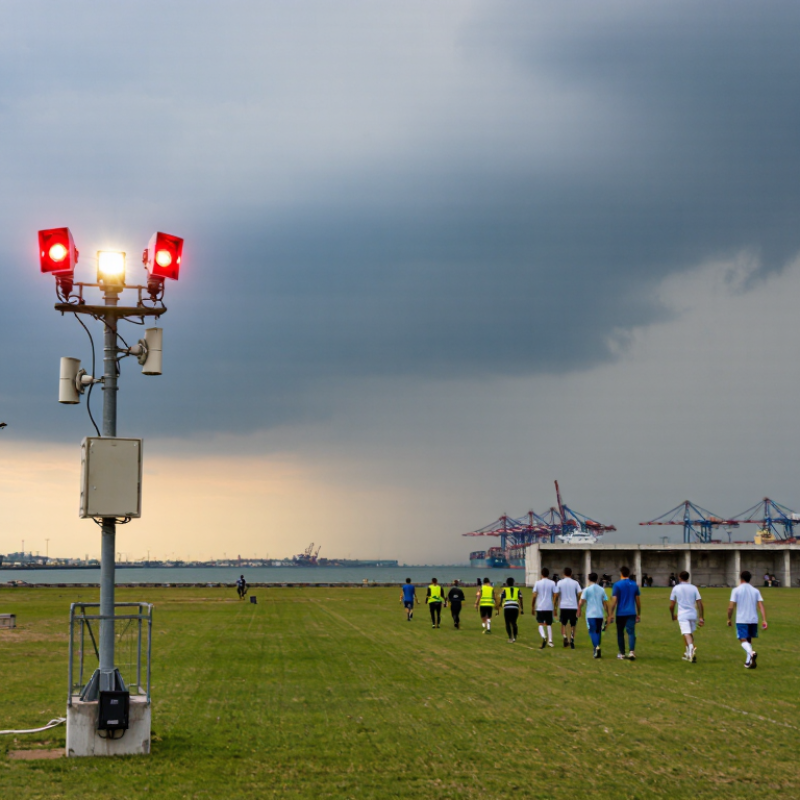
Lightning can transform a clear afternoon into a dangerous situation within minutes. On a sports field, workers may hear thunder after a storm has already moved nearby. At a harbor, metal structures and open water can increase exposure. A reliable warning system gives people time to leave exposed areas and reach safer shelter.

A Lightning Alert Device can monitor atmospheric signals and communicate warnings through sirens, lights, mobile notifications, or control systems. However, it should support, not replace, official weather information and trained safety procedures. Professionals should assess detection range, response time, weather resistance, power reliability, and local installation conditions. Independent testing and clear technical documentation also matter. A device that works well at a school may need different settings at an airport or construction site.

No technology predicts every strike perfectly. False alarms can interrupt operations, while delayed alerts may create dangerous confidence. That weakness deserves honest attention. Regular maintenance, staff training, documented evacuation plans, and routine drills improve real-world performance. Users should also review regional weather guidance, because climate, terrain, and communication networks vary worldwide. In practice, safety depends on the complete system: accurate monitoring, responsible decisions, and people who act when the warning arrives. Small details matter. A visible beacon, a charged backup battery, and a clearly marked shelter can protect more people than impressive specifications alone.
Why Choose a Lightning Alert Device for Global Safety?

What Is a Lightning Alert Device and How Does It Work?

A lightning alert device detects electrical activity that may signal nearby thunderstorms. Most systems use a magnetic-field sensor, radio-frequency receiver, or both. These sensors identify lightning discharges and estimate their distance from the monitoring point. The device then issues an audible alarm, visual signal, or mobile notification.

The World Meteorological Organization estimates that lightning causes about 24,000 deaths and 240,000 injuries worldwide each year. That figure explains why early warning matters. A field technician may see clear skies while a storm develops several kilometres away. The sensor can detect the threat before thunder becomes audible. Some systems calculate strike direction and movement, helping staff pause outdoor work, clear sports grounds, or move visitors indoors.

Timing is not perfect. False alarms can occur near electrical equipment, and detection ranges vary by terrain and sensor design. Users should install devices away from heavy interference and test alarms regularly. The National Weather Service reports that lightning kills about 20 people annually in the United States, with hundreds more injured. A warning device cannot replace weather forecasts or trained judgment. It adds another layer of evidence.

A practical system records alerts, signal strength, and response times. This creates an audit trail for safety reviews. Yet operators must still ask difficult questions: Was the alarm heard? Did everyone understand it? Did the evacuation route remain usable? Those details often decide whether technology becomes real protection.

Why Lightning Detection Matters for Global Safety

Lightning detection matters for global safety because storms can develop faster than people expect. A clear afternoon can become dangerous within minutes. In outdoor work areas, a reliable alert gives teams time to leave rooftops, fields, beaches, or temporary structures. It also supports safer decisions at airports, sports grounds, schools, and construction sites. The warning must be understandable and timely. A flashing light, audible signal, or mobile message can reach people who are far from supervisors. Every second matters.

Effective systems combine local sensors, regional networks, and weather data. This layered approach helps identify nearby strikes and changing storm movement. Safety managers should connect alerts to clear procedures, such as stopping work and moving indoors. Staff training remains essential. A device cannot protect people who ignore the warning. Nor can it detect every threat perfectly. Mountains, poor connectivity, maintenance problems, and delayed data may create gaps. False alarms can also cause frustration, especially when storms pass safely nearby. That weakness deserves honest review. Teams should record each alert, compare it with observed weather, and adjust response distances when necessary. Lightning safety is not a single device. It is a practical system built on detection, communication, human judgment, and repeated improvement.

How Lightning Alert Devices Support Early Risk Assessment

Why Choose a Lightning Alert Device for Global Safety?

How Lightning Alert Devices Support Early Risk Assessment

Lightning often arrives before heavy rain. The U.S. National Weather Service warns that lightning can strike more than 10 miles from a thunderstorm. A clear sky is not proof of safety. This distance is difficult to judge outdoors, especially near construction sites, sports fields, ports, and remote work areas.

Lightning alert devices support early risk assessment by monitoring atmospheric electric-field changes and nearby electrical activity. They can provide visible, audible, or connected warnings before conditions become dangerous. The World Meteorological Organization’s 2022 Global Status of Multi-Hazard Early Warning Systems report found that mortality is six times lower in countries with effective early warning systems. A device cannot predict every strike. It can improve reaction time.

That time matters. A site supervisor may pause lifting work, move staff indoors, or close an exposed area. Workers also gain a clear signal instead of relying only on distant thunder. Real-world performance depends on sensor placement, local terrain, maintenance, and alert settings. False alarms may interrupt operations. That inconvenience deserves review, not dismissal. Reliable safety programs combine device alerts with weather forecasts, trained decision-makers, and documented shelter procedures. The National Weather Service also advises staying indoors until at least 30 minutes after the last thunder.

Where Lightning Alert Devices Are Used Around the World

Where Lightning Alert Devices Are Used Around the World

Lightning alert devices support safety in places where people work, travel, or gather outdoors. At beaches, warning lights and audible signals can help lifeguards clear the shoreline before a storm arrives. Golf courses use alerts to pause play and guide visitors toward safer shelters. Schools, sports fields, and outdoor event grounds also rely on local warning systems when crowds need quick instructions.

In rural areas, farmers place alert devices near open fields, livestock shelters, and irrigation equipment. Construction teams use them beside cranes, temporary buildings, and elevated platforms. Ports, marinas, and mountain resorts face different risks, but the need is similar. Workers may receive alerts through sirens, display panels, or connected mobile systems. In remote regions, devices with backup power are especially useful during outages.

Field assessments show that placement matters. Buildings, trees, and nearby terrain can affect detection and sound coverage. No system is perfect. False alerts may interrupt work, while a delayed warning can create serious exposure. Operators should test sensors, inspect power supplies, and compare alerts with official weather information. Local language, local storm patterns, and staff training also influence performance. A device cannot replace judgment. It should support a clear emergency procedure that people can follow under pressure.

Why Choose a Lightning Alert Device for Global Safety?

Where Lightning Alert Devices Are Used Around the World

Lightning alert devices are especially valuable in regions with frequent thunderstorms, including tropical lakes, mountain communities, outdoor recreation areas, farms, ports, construction sites, and industrial facilities. The chart shows average annual lightning flash density in selected global hotspots, based on satellite observations from the NASA Lightning Imaging Sensor and Optical Transient Detector climatology for 1998–2013. Higher flash density indicates a greater need for rapid outdoor warning and emergency shelter procedures.

Source: NASA Earth Observatory and NASA LIS/OTD global lightning climatology, 1998–2013. Values are approximate flashes per square kilometre per year.

How to Choose a Lightning Alert Device for Different Needs

Why Choose a Lightning Alert Device for Global Safety?

How to Choose a Lightning Alert Device for Different Needs

Lightning risks vary by location, building design, and daily activity. The World Meteorological Organization reports about 2,000 lightning deaths worldwide each year. The National Weather Service also records more than 20 lightning deaths annually in the United States. These figures support early warning, but they do not justify buying the most expensive device.

For homes, choose a detector with clear indoor alerts, simple controls, and reliable battery backup. A small property may need local warnings rather than complex cloud monitoring. Outdoor venues require wider detection coverage, visible signals, and loud alarms. Check the device’s stated range under real weather conditions. Rain, hills, and nearby electrical equipment can reduce performance. They matter.

Industrial sites need stronger protection. Review operating temperature, enclosure ratings, communication options, and maintenance records. Devices supporting documented testing are easier to evaluate against IEC 62305 risk-management principles. Independent test results are more useful than dramatic marketing claims. Look for event logs, calibration guidance, and replacement schedules.

No device is perfect.

A practical selection also considers the people receiving alerts. Workers may need wearable or radio-linked warnings, while families may prefer a simple siren. The WMO recommends staying indoors during thunderstorms, so an alert should support evacuation decisions, not replace them. I would question any system promising absolute safety. False alarms can cause users to ignore future warnings, yet missed alerts are more serious. Trial the device during routine operations, record its response, and revise the plan after real storms.

Why Choose a Lightning Alert Device for Global Safety? - How to Choose a Lightning Alert Device for Different Needs

Safety Requirement Recommended Device Type Typical Detection or Warning Capability Best-Fit Environment Important Selection Factors
Immediate local warning Standalone electric-field or lightning activity detector Detects changes in atmospheric electric fields or nearby lightning activity; warning time is commonly measured in minutes and varies with storm development. Construction sites, sports grounds, outdoor events, farms, and industrial yards Detection radius, false-alarm control, audible and visual alarms, relay output, and local operating temperature
Wide-area storm tracking Network-connected lightning location or weather-monitoring system Uses regional or global lightning data to show storm position, movement, and activity trends; coverage and update speed depend on the data network. Airports, utility operations, ports, logistics centers, and large facilities Data coverage by country, update interval, map accuracy, API or dashboard access, and service continuity
Remote-site protection Battery-powered or solar-assisted detector with cellular or satellite communication Can issue remote notifications when local lightning conditions meet a configured threshold; communication depends on network availability. Mining areas, agricultural fields, remote energy assets, and temporary work zones Battery autonomy, solar charging, IP enclosure rating, mobile-network coverage, and offline data storage
Large-site evacuation alerts Lightning detector integrated with sirens, beacons, public-address systems, or building controls Supports automatic or manual alert escalation based on detection distance, storm direction, or preset risk levels. Theme parks, stadiums, campuses, factories, and public venues Relay compatibility, alarm audibility, visual coverage, backup power, zoning, and emergency procedures
Portable personal awareness Portable lightning or storm alert receiver Provides local sound, vibration, or display alerts; portable models generally offer less site-wide coverage than fixed systems. Outdoor workers, field technicians, hikers, and small recreational groups Weight, battery life, weather resistance, display readability, alarm volume, and ease of carrying
Harsh-weather operation Rugged fixed detector designed for outdoor installation Provides continuous monitoring when correctly installed, grounded, maintained, and protected from environmental interference. Coastal sites, tropical regions, high-dust areas, and exposed industrial facilities Ingress protection, corrosion resistance, operating temperature, wind exposure, grounding, and maintenance access
Multi-country deployment Configurable system with regional communications and multilingual notification support Can support centralized monitoring across locations, but performance depends on local terrain, network availability, and regional data coverage. International companies, transport networks, humanitarian operations, and distributed facilities Supported communication bands, local regulations, time zones, data privacy, language options, and standardized maintenance
Data logging and risk analysis Detector with event logging, export functions, and monitoring software Records detected activity and alert events for reviewing operating procedures, site exposure, and maintenance history. Research facilities, utilities, industrial plants, and safety-management teams Timestamp accuracy, data retention, export format, user permissions, calibration records, and software availability

Selection note: Lightning alert devices support risk reduction but do not make outdoor activity safe during a storm. Always combine device alerts with documented shelter procedures, trained personnel, and local meteorological guidance.