Top 10 Injection Molding Innovations at the 139th Canton Fair?
The 139th Canton Fair showcases remarkable advancements in various industries, including Injection Molding. As manufacturers seek efficiency, innovation becomes essential. New technologies improve production speed and reduce costs. For instance, recent mold designs enhance thermal management, leading to better product quality.
At this year’s fair, companies introduced smart molding solutions, integrating AI for process optimization. This application allows for real-time adjustments, increasing precision. However, challenges remain in balancing automation with human oversight. Some exhibitors struggle with fully implementing these technologies.
Moreover, environmental concerns drive further changes in Injection Molding. Eco-friendly materials and processes are gaining attention. Still, transitioning to sustainable options poses questions about performance and costs. The fair reflects a dynamic landscape of opportunities and obstacles in the Injection Molding sector.
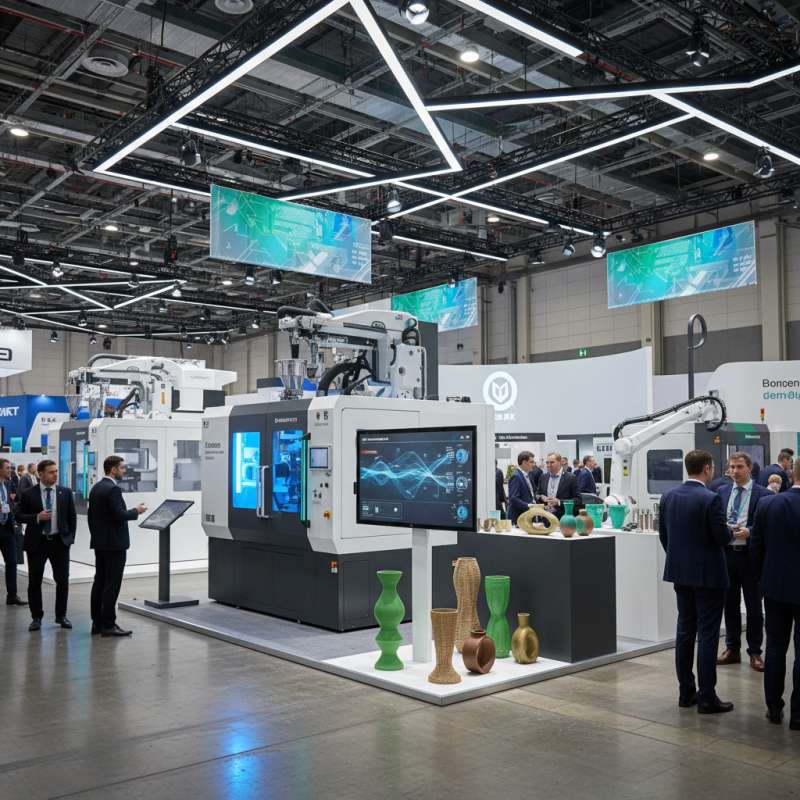
Key Developments in Injection Molding Technology Showcased at the Fair
The 139th Canton Fair showcased several innovative trends in injection molding technology. Among these innovations was the development of more energy-efficient machines. These new models reduce energy consumption significantly, which benefits both manufacturers and the environment. Sustainability is becoming a key focus in the industry, and this trend reflects that shift.
Another exciting development is the integration of smart technology. Machines equipped with sensors collect data in real time. This allows for better monitoring of the entire production process. Operators can quickly identify issues, which minimizes downtime. However, reliance on technology can introduce challenges. Training staff to use these advanced systems effectively remains a concern.
Moreover, the advancements in material science were evident. New materials offer enhanced durability and flexibility. This opens the door to create more complex designs. Yet, manufacturers face hurdles in sourcing these high-quality materials consistently. Balancing innovation with practicality is essential. Both machine design and material selection must evolve together to meet market demands.
Top 10 Injection Molding Innovations at the 139th Canton Fair
| Innovation | Description | Material Used | Applications | Energy Savings |
| Precision 3D Printing Integration | Seamless integration of 3D printing with injection molding for complex geometries. | PLA, ABS | Aerospace, Automotive | Up to 30% reduction in material waste |
| Smart Molding Machines | IoT-enabled machines that monitor and optimize the molding process in real-time. | Polycarbonate, Nylon | Consumer Electronics, Medical Devices | 25% less energy consumption |
| Biodegradable Materials | New formulations for eco-friendly injection molding. | Starch-based Polymers | Packaging, Disposable Tableware | N/A |
| Multi-Material Injection | Ability to mold multiple materials in a single cycle. | Silicone, Thermoplastics | Automotive, Consumer Goods | 30% lower cycle time |
| Advanced Cooling Systems | Innovative cooling channels for faster cooling rates. | Various plastics | Thin-walled applications, High-speed products | 15% energy savings |
| Robotic Automation | Implementation of robotics for handling and assembly. | N/A | Manufacturing Automation | 20% increase in efficiency |
| Enhanced Mold Design | Molds designed for efficient material flow and minimal defects. | Aluminum, Steel | Complex designs in various industries | 10% less scrap |
| AI-Driven Quality Control | Artificial intelligence systems for automatic defect detection. | N/A | Quality Assurance in Manufacturing | Reduction in inspection time by 40% |
| User-Friendly Injection Software | Intuitive software for mold design and simulation. | N/A | Design and Prototyping | N/A |
Innovative Materials and Their Applications in Injection Molding
At the recent 139th Canton Fair, innovative materials stole the show in injection molding. These materials are transforming manufacturing processes, enhancing productivity and sustainability. The use of biodegradable plastics, for instance, has surged by over 25% in recent years, responding to growing environmental concerns. These alternatives reduce waste and can decompose within a few years, unlike traditional plastics that take centuries.
Another noteworthy development involves advanced thermoplastics, which integrate enhanced strength and flexibility. Research indicates that these materials can provide up to 50% better performance under stress. This allows manufacturers to create lighter products without sacrificing durability. Conductive plastics are also gaining traction. Their application in electronic components is increasing, driven by the rapid growth in the electronics sector.
However, not all innovations come without challenges. The adaptation of these materials requires investment in new technologies and training. Many manufacturers struggle to keep pace. Additionally, the variability in material properties can lead to inconsistency in production quality. Addressing these issues is crucial for realizing the full potential of these innovative materials in injection molding.
Advancements in Automation and Robotics for Injection Molding Processes
At the 139th Canton Fair, the spotlight shone brightly on innovations in injection molding. Automation and robotics are taking center stage. These advancements promise to enhance efficiency and precision in manufacturing processes. More factories are integrating AI and machine learning into their systems. This allows for real-time monitoring and adjustments during production.
Tips: Consider the space needed for robots. Ensure they fit well within your workspace without causing disruptions. Training staff on new technology is crucial. They must adapt to changes smoothly.
Robotic systems now offer flexibility that manual processes cannot match. They can handle varying production volumes without significant downtime. However, the integration of these systems presents challenges. Sometimes, human oversight is still necessary to handle complex problems. Finding that balance between automation and human input is essential.
Tips: When adopting new technology, start small. Evaluate your processes before fully committing. Refine your approach as you gather insights. This will help mitigate risks and improve overall performance.
Sustainable Practices and Eco-Friendly Solutions in Injection Molding
At the 139th Canton Fair, sustainability took center stage in injection molding innovations. With growing environmental concerns, the industry is increasingly focused on eco-friendly practices. Reports indicate that sustainable manufacturing can reduce a company’s carbon footprint by up to 30%. This shift is vital for both compliance and consumer demand for greener products.
One notable trend is the use of biodegradable materials in injection molding. These materials can decompose naturally, reducing plastic waste significantly. Additionally, companies are exploring renewable resources, such as bio-based plastics, which can minimize reliance on fossil fuels. Many manufacturers are implementing closed-loop systems. This method allows for the reuse of production waste, further enhancing sustainability efforts.
Tip: Consider investing in training for your team. Knowledge about sustainable materials is crucial as consumer preferences evolve. Keep informed about new technologies and practices. They can actively contribute to a more sustainable operation. Failure to adapt could result in lost market share.
Many firms are facing the challenge of balancing cost and eco-effectiveness. While eco-friendly materials might be more expensive upfront, the long-term savings can be significant. Companies need to weigh the initial financial strain against potential future gains.
Top 10 Injection Molding Innovations at the 139th Canton Fair
Future Trends and Predictions for Injection Molding in Manufacturing Industry
Injection molding is evolving rapidly, particularly within the manufacturing sector. Recent innovations highlight the shift toward automation and digitalization. Machine learning algorithms now analyze production data in real-time. This leads to quicker adjustments and reduced waste. On the ground, not every factory adopts this technology seamlessly. Some struggle with integration, facing a steep learning curve.
Sustainability is another hot topic. Many manufacturers aim to reduce their environmental footprint. Biodegradable materials are gaining traction, yet they often come with limitations. These alternatives may not always match traditional plastics in durability. Companies must navigate this balance while meeting consumer expectations. It’s a challenging road ahead, filled with experimentation and trial-and-error.
Another emerging trend is the personalization of products. Customization is highly valued today. Fast turnarounds in molding operations can make this possible. However, scaling these personalized processes remains complex. As customer demands shift, manufacturers must adapt quickly. They face hurdles in meeting high-quality standards. The path forward requires innovation and resilience in an ever-changing market landscape.