2026 Top Foam Inserts for Boxes Benefits and Uses Explained
In the ever-evolving packaging industry, the significance of foam inserts for boxes cannot be overstated. A recent report by Smithers Pira states that the global market for protective packaging is projected to reach $45 billion by 2026. This highlights a growing demand for solutions like foam inserts, which offer exceptional protection and efficiency.
Industry expert Dr. Emily Richards emphasizes, "Foam inserts for boxes are vital for the safe transport of sensitive items." This statement captures the essence of why businesses increasingly rely on these inserts. They provide cushioning and stability, reducing the risk of damage during transit.
Yet, the selection process can often be daunting. Many companies underestimate the importance of foam density and thickness in achieving the right balance of protection. Choosing the wrong specifications can lead to unsatisfactory results. As the industry advances, reevaluating options ensures that businesses remain competitive and satisfied.

Top Foam Inserts Overview: Definition and Purpose
Foam inserts play a crucial role in packaging. They protect products during transit and storage. Often made from polyurethane or polyethylene, these inserts cushion items effectively. According to industry reports, around 25% of damages occur during shipping. This highlights the importance of quality inserts to reduce losses.
The primary purpose of foam inserts is to secure items in place. They conform to the shape of the product, minimizing movement. This is vital for fragile items like electronics or glass. Research shows that using foam inserts can lower return rates by up to 15%. It's clear that the right foam can lead to significant savings.
Many businesses overlook the quality of their packaging. A cheaper insert might save money upfront but can lead to higher costs down the line. Companies need to balance cost and protection. While foam inserts serve a clear purpose, ongoing assessment of their effectiveness is needed. Not all foam options are created equal, and finding the right fit can be challenging.
Benefits of Using Foam Inserts in Packaging Solutions
Foam inserts have become an essential component in packaging solutions. Their ability to absorb shocks and protect delicate items makes them highly valuable. According to industry reports, using foam inserts can reduce product damage during shipping by 50%. This statistic demonstrates the significant impact of effective cushioning on overall logistics.
When products are packaged with foam inserts, they experience reduced movement inside their boxes. This is crucial for electronics and glass items. The right foam can conform to various shapes, providing a snug fit that minimizes vibration. Surprisingly, various materials can be used in foam inserts—polyethylene and polyurethane are popular choices due to their durability.
Despite their benefits, there are challenges. Foam inserts can contribute to increased packaging costs. Some businesses hesitate to invest in high-quality foam solutions. Still, considering the potential for decreased return rates, the investment often pays off. It's essential to weigh the cost against the potential savings in damage and returns. Understanding the balance between expense and protection remains a vital consideration for many companies.
2026 Top Foam Inserts for Boxes Benefits and Uses Explained - Benefits of Using Foam Inserts in Packaging Solutions
| Type of Foam Insert |
Benefits |
Common Uses |
Material |
| EVA Foam Inserts |
Lightweight, shock-absorbent, and flexible |
Electronics, tools, and sports equipment packaging |
Ethylene-Vinyl Acetate |
| Polyurethane Foam Inserts |
Durable, compressible, and offers high resilience |
Medical devices, fragile goods, and packaging |
Polyurethane |
| Polyethylene Foam Inserts |
Water resistant, light, and cost-effective |
Packaging for furniture, and home appliances |
Polyethylene |
| Antistatic Foam Inserts |
Prevents static electricity, protecting sensitive electronics |
Electronics packaging, computer parts |
Polystyrene or Polyurethane |
| Cut-to-Size Foam Inserts |
Customizable for various shapes and sizes |
Custom packaging solutions for various products |
Various foam materials |
Types of Foam Inserts Available for Different Applications
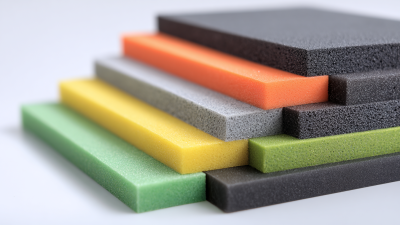
Foam inserts play a crucial role in packaging solutions across various industries. Different types of foam inserts cater to specific needs. For example, polyethylene foam is known for its durability and versatility. It's ideal for electronics and delicate items. This foam type provides shock absorption and is resistant to moisture, making it a popular choice.
EVA foam, on the other hand, is flexible and soft. It's often used for fragile items. It offers great cushioning while minimizing the risk of damage. According to industry reports, using appropriate foam inserts can reduce shipping-related damage by up to 30%. This statistic highlights the importance of selecting the right materials.
Not all foam inserts are created equal. Some may not meet specific requirements. For instance, certain low-density foams can compress over time, compromising protection. It’s vital to evaluate available options carefully. Manufacturers should consider specific application needs when choosing foam inserts. A poor choice can lead to increased costs down the line. Understanding these differences can significantly improve packaging efficiency.
2026 Top Foam Inserts for Boxes Benefits and Uses
How to Choose the Right Foam Inserts for Your Boxes
Choosing the right foam inserts for your boxes is essential. Foam inserts protect items during transport. Different types are available, each suited for specific purposes. For example, polyethylene foam is known for its durability, while polyurethane offers flexibility. According to industry studies, using foam can reduce product damage rates by up to 30%. This data highlights its importance in packaging solutions.
When selecting foam inserts, consider the item's dimensions and weight. Customizing foam shapes ensures a snug fit. A report from the Packaging Institute indicates that poorly fitted inserts may lead to increased returns. This can affect your bottom line and brand reputation. Evaluate the thickness and density of the foam as well. Thicker foam provides more cushioning but may add weight to the package.
Sustainability is another factor to ponder. Options like biodegradable foams are becoming popular. However, these may not always provide the same level of protection as traditional foams. The challenge lies in balancing protection with environmental concerns. Careful assessment is required to find the right material that meets both needs.
Common Industries Utilizing Foam Inserts for Protection
Foam inserts are gaining traction across various industries for their protective qualities. Many manufacturers, for instance, rely on foam inserts to keep fragile items secure during shipping. These inserts are lightweight and adaptable. They cushion products, preventing damage from shock or vibration. This makes them ideal for electronics, glassware, and delicate machinery.
The automotive sector often employs foam inserts to safeguard critical components during transport. A small scratch can lead to significant issues; hence, using foam is essential. Similarly, the medical device industry benefits greatly. Equipment needs protection—specific dimensions matter greatly here. Foam inserts can be custom-made to fit various devices perfectly.
Yet, not every application is flawless. Improper sizing can lead to inadequate protection. Additionally, different materials may not provide the same level of cushioning. Industries must consider their unique needs and select accordingly. Misjudgings can result in product damage, or at the very least, increased costs. Finding the right foam insert can seem daunting, but it’s crucial for success.