
585.204.6770
sale@sanblueplastics.com
Your Source for Trays!
Choosing reliable China top Bulk Sack suppliers requires more than comparing unit prices. Global buyers need evidence of manufacturing discipline, material control, testing, and responsive communication. A strong supplier should explain its polypropylene grade, fabric weight, lifting-loop design, liner options, and safe working load clearly. These details affect filling speed, warehouse handling, and transport stability.
Industry specialist John W. McGrath has emphasized, “The right FIBC design must match the product, the handling system, and the intended use.” This practical view remains important for every Bulk Sack purchasing decision. A sack for dry food ingredients may require food-contact controls and a clean production area. A sack for minerals may need stronger fabric, dust protection, and tougher discharge construction. One design cannot fit every application.
Experienced buyers should request factory videos, recent test reports, production samples, and traceable quality records. They should also check stitching consistency, seam strength, bag dimensions, and liner fit. Small inconsistencies can become expensive problems after thousands of units arrive. That part is easy to underestimate.
China offers broad production capacity, competitive customization, and extensive export experience. However, not every supplier provides the same level of process control. Some websites look professional but reveal little about actual production. That should invite careful questions, not immediate trust.
This guide introduces leading China Bulk Sack suppliers for global buyers. It considers product range, certifications, manufacturing capability, quality assurance, communication, and export support. The aim is practical selection, not exaggerated praise. Buyers should still verify current documents, samples, and specifications before placing an order. Supplier information can change. Your inspection should not.
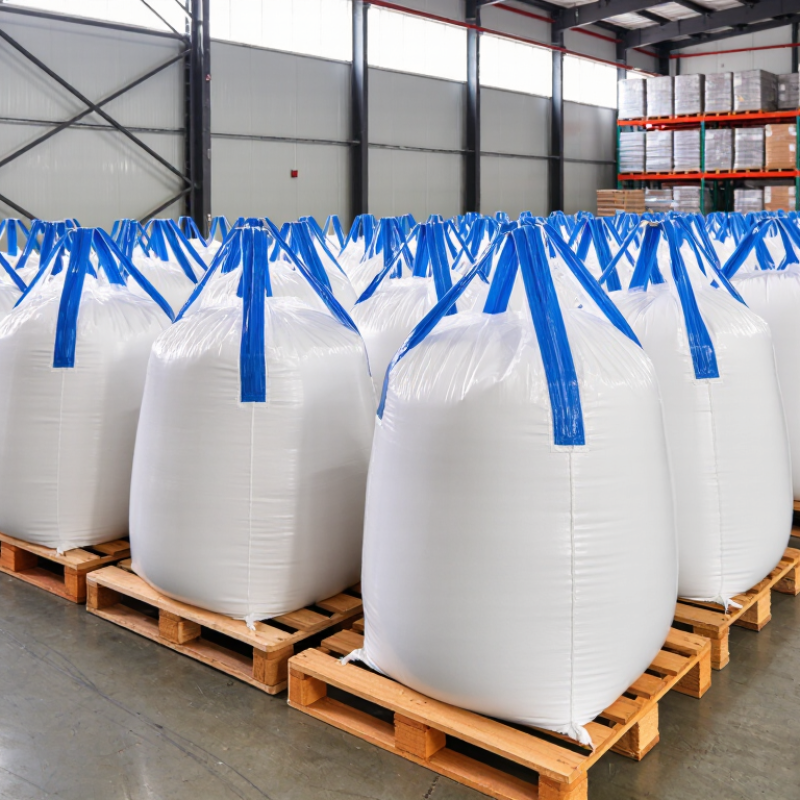
Bulk sacks, also called flexible intermediate bulk containers (FIBCs), are large woven bags designed to move and store dry materials. Most hold between 500 and 2,000 kilograms. Polypropylene fabric provides strength, while coated surfaces can limit moisture exposure. Common designs include four lifting loops, discharge spouts, liners, and dust-control closures.
Their uses span agriculture, minerals, construction materials, food ingredients, and industrial powders. A fertilizer distributor may fill a sack at a blending plant, lift it by forklift, and discharge it directly into farm equipment. In food applications, manufacturers must consider clean construction, traceability, and suitable-contact materials. Moisture, static electricity, filling speed, and stacking pressure also affect selection. A low-cost sack can become expensive after product loss or handling delays.
Market estimates show steady global demand, although figures differ by definition. Grand View Research valued the worldwide FIBC market at about USD 7 billion in 2023 and projected continued growth through 2030. Another industry assessment, from IMARC Group, reported a smaller 2023 value because it used different market boundaries. The difference matters. Buyers should compare methodology, region coverage, and product categories before trusting a forecast. Asia remains a major production and consumption center, supported by manufacturing capacity and agricultural shipments. Global buyers increasingly assess load testing, seam quality, recycled content, and delivery reliability. These checks are practical, but not always consistent across suppliers.
China Top Bulk Sack Suppliers for Global Buyers
Selecting a bulk sack supplier requires more than comparing prices. Start with the bag’s intended load, filling method, discharge design, and storage conditions. A supplier should provide clear specifications for fabric weight, safe working load, lifting loops, seams, and liner materials. Ask for production samples. Inspect the corners, stitching, and inner coating by hand.
Factory capability matters. Review equipment, quality-control procedures, worker training, and batch traceability. Reliable suppliers can explain how they control fabric strength, dimensions, moisture resistance, and contamination risks. Request recent test reports and confirm whether testing follows recognized international methods. A 1,000-kilogram bag should not be judged by appearance alone. It needs practical load testing.
Documentation should match the shipment. Check inspection records, packing details, material declarations, and destination-market requirements. Communication also reveals supplier quality. Can the team answer technical questions without vague promises? Can it report a defect honestly? These details reduce delays and costly rework.
No checklist is flawless. A polished factory tour may hide weak final inspection. An attractive sample may not represent normal production. For that reason, approve samples, define acceptance limits, and inspect the first shipment independently. Minor inconsistencies deserve attention. They can become serious failures when thousands of sacks move through a busy warehouse.
China Top Bulk Sack Suppliers for Global Buyers
Leading Types of China-Based Bulk Sack Manufacturers
China-based bulk sack manufacturers usually serve different industrial needs rather than one universal market. Standard woven polypropylene factories produce durable four-panel and circular sacks for grain, fertilizer, minerals, and construction materials. Their production lines often include tape extrusion, weaving, cutting, sewing, and final inspection. This integrated structure can improve consistency and shorten delivery times. Factory scale alone proves little.
Custom bulk sack converters focus on dimensions, filling styles, discharge outlets, liners, lifting loops, and printed identification. Some specialize in food-contact packaging, using controlled materials and cleaner workshops. Others produce ventilated sacks for crops or anti-static designs for sensitive industrial environments. Buyers should request material specifications, stitching samples, and test reports before approving mass production. Small details matter.
Export-oriented manufacturers usually add documentation support, carton planning, container loading, and pre-shipment inspections. In my experience, clear drawings prevent more errors than long email discussions. Ask about production tolerances, recycled content, UV treatment, and storage conditions. Some suppliers promise excellent strength but provide limited test evidence. That gap deserves attention. A practical audit should compare sample weight, seam strength, fabric density, and safe working load. Samples can mislead. Production batches may differ. Independent inspection remains useful, especially for large orders and strict delivery schedules. Reliable cooperation depends on traceable records, realistic claims, and direct answers when a specification needs revision.
| Bulk Sack Type | Typical Construction | Common Capacity | Suitable Materials | Typical Industries | Key Selection Considerations |
|---|---|---|---|---|---|
| Standard U-Panel FIBC | Woven polypropylene body made from one continuous panel with two separate side panels; usually fitted with four lifting loops. | 500–2,000 kg safe working load, depending on design and safety factor. | Plastic pellets, minerals, grains, fertilizer, powders, and construction materials. | Chemical, agricultural, food-processing, mining, and building-material sectors. | Panel seams, lifting-loop configuration, filling and discharge design, and required safety factor. |
| Four-Panel FIBC | Four woven polypropylene panels sewn together to create a square or rectangular form with good dimensional stability. | Commonly produced for 500–2,000 kg loads. | Granules, powders, agricultural products, chemicals, and industrial raw materials. | Logistics, agriculture, chemicals, plastics, and industrial manufacturing. | Stable stacking, pallet compatibility, seam strength, and storage-space requirements. |
| Circular-Woven FIBC | Tubular circular-woven polypropylene fabric with fewer vertical seams than conventional panel construction. | Typically 500–2,000 kg, subject to fabric weight and test results. | Fine powders, minerals, resin, fertilizer, and general bulk solids. | Chemical processing, mining, agriculture, and plastics manufacturing. | Reduced seam exposure, fabric permeability, liner compatibility, and dust-control requirements. |
| Baffle FIBC | Internal polypropylene baffles sewn across the corners to improve shape retention and cube utilization. | Often designed for 500–1,500 kg loads. | Powders, granules, food ingredients, chemicals, and products requiring efficient storage. | Warehousing, food ingredients, pharmaceuticals, chemicals, and export logistics. | Higher pallet utilization, reduced bulging, filling speed, and compatibility with automated handling. |
| Coated FIBC | Woven polypropylene fabric laminated or coated with polypropylene to improve moisture and fine-particle resistance. | Usually available in the 500–2,000 kg range. | Moisture-sensitive powders, cement, minerals, fertilizer, and hygroscopic products. | Construction, agriculture, mining, chemicals, and industrial processing. | Coating coverage, moisture barrier performance, heat sealing, and product discharge behavior. |
| FIBC with PE Liner | Woven polypropylene outer sack combined with a polyethylene liner, including loose, form-fit, or baffled liner options. | Commonly configured for 500–2,000 kg applications. | Fine powders, food ingredients, chemicals, pharmaceuticals, and moisture-sensitive solids. | Food processing, pharmaceuticals, chemicals, agriculture, and powder handling. | Liner thickness, liner fit, sealing method, electrostatic requirements, and applicable food-contact rules. |
| Type C Conductive FIBC | Conductive fabric containing interwoven conductive threads that must be electrically grounded during filling and discharge. | Frequently manufactured for 500–2,000 kg loads. | Flammable powders, combustible dusts, chemical powders, and products handled in hazardous environments. | Chemical, pharmaceutical, food, plastics, and explosive-atmosphere applications. | Grounding procedures, resistance testing, hazardous-area assessment, and compliance with IEC 61340-4-4 requirements. |
| Type D Static-Dissipative FIBC | Static-dissipative fabric designed to control electrostatic discharge without requiring a separate grounding connection under specified conditions. | Typically produced for 500–2,000 kg applications. | Combustible powders and sensitive industrial materials where static control is required. | Chemical, pharmaceutical, food, and specialty powder processing. | Fabric verification, environmental conditions, product ignition sensitivity, and conformity testing. |
| UN-Certified FIBC | FIBC designed and tested for applicable United Nations packaging requirements for certain dangerous goods. | Capacity depends on the certified design, product density, and packaging approval. | Selected hazardous solids, chemicals, and regulated bulk powders. | Chemical manufacturing, industrial distribution, and regulated export shipments. | UN design type, test certification, packing group, inner packaging, labeling, and destination-country rules. |
| Food-Grade FIBC | Manufactured with controlled raw materials and production processes; may include a polyethylene liner and hygienic packaging. | Commonly available from 500–2,000 kg, depending on product and handling system. | Flour, starch, sugar, grains, seeds, powdered ingredients, and other dry food products. | Food ingredients, agriculture, feed, and nutraceutical production. | Food-contact declaration, hygienic production, traceability, liner material, and destination-market regulations. |
Note: Capacity ranges are typical industry values for flexible intermediate bulk containers. Final safe working load, safety factor, dimensions, and certification should be confirmed through design specifications and independent testing for the intended product and handling conditions.
For global buyers, choosing a bulk sack supplier requires more than comparing prices. Quality begins with controlled polypropylene materials, consistent fabric weight, and tested seam strength. Reliable factories follow documented inspection procedures from raw material intake to final packing. They should provide test reports for load capacity, dimensions, moisture resistance, and UV performance when relevant. Clear batch records also support traceability. In practice, small variations can affect stacking stability. This is where supplier experience matters. A capable team can explain testing methods, not merely display certificates.
Customization should solve a handling problem, not add decoration. Buyers may request coated or uncoated fabric, liners, loops, discharge spouts, printing, and special dimensions. Specifications should define tolerance ranges, safe working load, and packaging details. Samples need testing with the intended product and filling equipment. Production capability matters equally. Inspect the cutting, sewing, printing, and warehouse areas. Ask how defects are isolated and corrected. Stable capacity supports repeat orders, but even strong facilities may face peak-season delays. That risk deserves honest discussion.
Request a pre-production sample and approve a written specification. Check random finished sacks, not only showroom samples. Keep records of complaints and corrective actions. One overlooked detail can become a costly shipment problem. Confirm communication routines, inspection timing, and shipping documents before production starts. Do not assume a smooth sample guarantees mass-production consistency. It sometimes does not.
China’s bulk sack suppliers serve construction, agriculture, minerals, and food-processing buyers worldwide. Experienced buyers request samples before discussing large volumes. A sample should show fabric weight, seam quality, lifting loops, coating, and safe working load. Ask for a specification sheet with measurable tolerances. Small differences can affect filling stability.
The export process usually begins with technical confirmation and a written quotation. Suppliers may quote EXW, FOB, or CIF terms. Confirm which costs are included. The final price can change with fabric weight, bag dimensions, printing, liners, order quantity, and shipping season. Request a detailed pro forma invoice. Check production time, port location, payment stages, and carton or bale packing. Never judge suppliers by price alone. A cheap offer may hide weaker stitching or unclear inspection terms.
Buyer checks should include factory records, quality procedures, export experience, and recent product photos. Ask whether third-party inspection is accepted before shipment. Review loading plans carefully, especially for moisture-sensitive cargo. Customs documents may include invoices, packing lists, transport documents, and certificates requested by the destination country. Requirements differ by market. Allow extra time for port delays and document corrections. This is often overlooked. Buyers should also test one shipment in real operating conditions. A sack that performs well in a sample room may behave differently during filling, stacking, or long-distance transport. Suppliers can make mistakes, and buyers can specify poorly. Clear drawings and measured feedback reduce both risks.
This chart shows indicative FOB China price ranges for common bulk sack configurations. Actual quotations vary with size, safe working load, fabric weight, coating, liners, printing, certification, order volume, and destination requirements. Buyers should confirm samples, test reports, production lead time, packaging, inspection terms, and export documentation before placing an order.