Top 10 Benefits of Using Cast Manifold for Your Projects?
In modern engineering and manufacturing, the importance of using a Cast Manifold cannot be overstated. These components play a crucial role in distributing fluids effectively within various systems. They are designed for durability and efficiency, making them ideal for projects that require reliability. Engineers and designers often choose cast manifolds due to their ability to withstand high pressure and temperature variations.
The benefits of using a Cast Manifold extend beyond just performance. They enhance the overall design of a project, allowing for more innovative solutions. Cast manifolds can be customized to meet specific project needs, ensuring optimal function. This adaptability can lead to improved operational efficiency and reduced maintenance costs in the long run.
However, it’s essential to acknowledge some challenges. The initial cost of casting can be higher than other materials. Moreover, the complexity of production might lead to longer lead times. Evaluating these factors is vital for making informed decisions. Ultimately, understanding the advantages and challenges of Cast Manifolds can significantly impact a project's success.
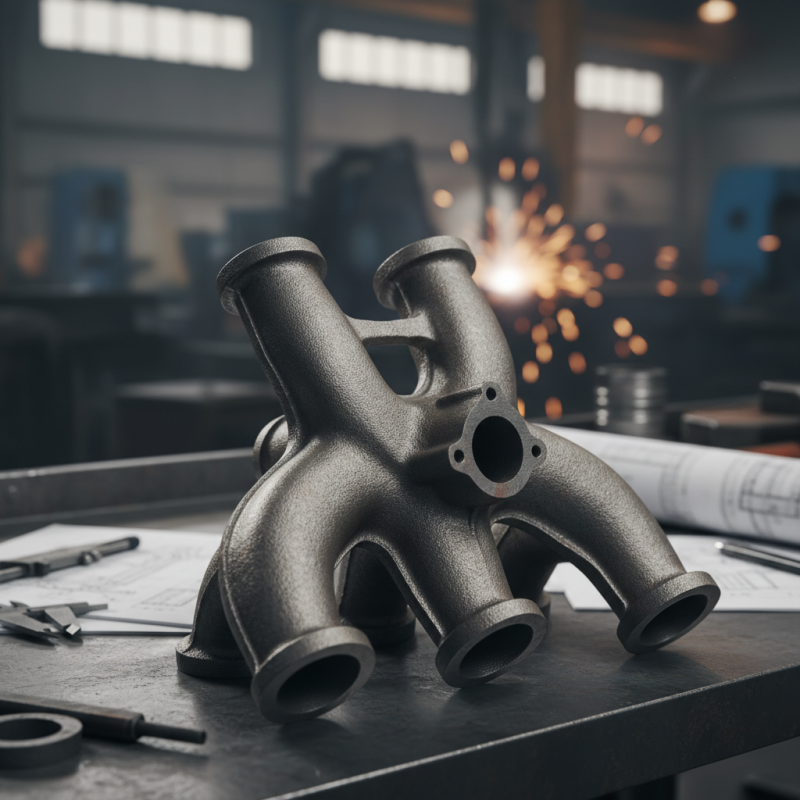
Understanding Cast Manifold and Its Applications
Cast manifolds are essential in various engineering applications. Their robust design enhances efficiency in air and fluid distribution. Understanding the material properties of cast manifolds is vital. They provide excellent resistance to corrosion and wear, significantly influencing their longevity and performance.
Industry reports suggest that cast manifolds can improve flow efficiency by up to 30% in specific applications. This efficiency leads to better energy consumption, reducing operational costs. Many industries, including automotive and aerospace, rely on the durability and reliability of cast manifolds. They work well in high-temperature environments, making them suitable for diverse projects.
Tips: When selecting a cast manifold, consider the intended application. Ensuring compatibility with the working environment maximizes performance. Don't overlook potential stress points in your design. Regular maintenance can prevent costly failures, enhancing the manifold's lifespan. Reflecting on your project needs will lead to smarter choices.
Top 10 Benefits of Using Cast Manifold for Your Projects
| Benefit | Description |
| Durability | Cast manifolds offer superior strength and longevity compared to other materials, making them ideal for high-pressure systems. |
| Corrosion Resistance | The materials used in cast manifolds can withstand corrosive environments, prolonging the lifespan of the installation. |
| Efficiency | Cast manifolds provide optimal fluid flow, improving overall system efficiency and reducing energy costs. |
| Customizability | They can be manufactured in various shapes and sizes to meet specific project requirements, offering greater design flexibility. |
| Thermal Management | Cast manifolds can effectively manage thermal properties, preventing overheating in high-temperature applications. |
| Reduced Maintenance | Their robust nature requires less frequent maintenance and replacement, saving time and costs in the long run. |
| Noise Reduction | The mass and material properties of cast manifolds help to dampen noise and vibrations in fluid transfer systems. |
| Compatibility | They can be used in a wide range of applications, from industrial machinery to automotive systems, enhancing compatibility across various sectors. |
| Cost-Effectiveness | Despite initial costs, the long-term benefits and savings on repairs and maintenance make cast manifolds a cost-effective choice. |
Enhanced Durability and Strength in Engineering Projects
Cast manifolds are gaining recognition in engineering projects for their enhanced durability and strength. Recent industry reports highlight that components made from cast materials exhibit 30% greater longevity than their counterparts. This extended lifespan is critical for applications in demanding environments, where reliability is paramount.
Using cast manifolds helps engineers meet stringent specifications, particularly for fluid management. Their robust design can withstand extreme pressure and temperature fluctuations. According to a 2022 engineering study, cast materials demonstrated superior performance under stress, reducing failure rates by up to 25% compared to traditional materials. This advantage allows for safer and more efficient operations, ultimately benefiting project timelines and costs.
However, transitioning to cast manifolds isn't without challenges. Engineers need to consider the initial investment and skilled labor required for installation. Training teams on these new materials can take time. Additionally, while the benefits are substantial, ensuring proper maintenance and compatibility with existing systems remains a concern that requires careful planning. Balancing these aspects is essential for optimizing project outcomes.
Improved Fluid Flow Efficiency Using Cast Manifolds
Using cast manifolds can significantly enhance fluid flow efficiency in various projects. The design of cast manifolds allows for smoother pathways for fluids. This minimizes turbulence and pressure drops. When fluids travel through a well-designed manifold, they maintain consistent flow rates. This is crucial in systems where precision matters, such as in HVAC or industrial applications.
In addition to improved flow, cast manifolds are durable. They withstand high pressures and extreme temperatures. However, not all projects may benefit equally from using cast manifolds. Some designs might need more intricate features that cast manifolds can't provide. It’s essential to assess project requirements thoroughly. Proper installation is equally important. A poorly installed manifold could negate the advantages of its design.
Another aspect to consider is the cost. While cast manifolds offer long-term savings, they may require a higher initial investment. Balancing upfront costs with potential efficiency gains is vital. Applied knowledge and experience in material selection and design can lead to better decisions in the long run. Each project is unique, and evaluating all factors can lead to the best outcomes.
Cost-Effectiveness of Cast Manifolds in Long-Term Usage
When considering cost-effectiveness, cast manifolds shine in long-term projects. Their durability reduces the need for frequent replacements. Many materials can deteriorate over time, leading to added expenses. Cast manifolds, however, maintain integrity, providing stability under pressure. This means fewer interruptions for repairs, saving both time and money.
Maintenance plays a crucial role in overall costs. Cast manifolds require minimal maintenance, which further enhances their value. Some users report challenges in the initial setup. However, once installed, they outperform many alternatives. This reliability can lead to sustained savings, especially in industrial applications.
Investing in cast manifolds can be a wise choice for engineers and project managers. The initial investment may appear higher, but that can be misleading. The long-term benefits often outweigh upfront costs. Selecting a durable, efficient component ultimately leads to greater project success. It's essential to evaluate your specific needs and possible trade-offs. Making informed decisions is key.
Top 10 Benefits of Using Cast Manifold for Your Projects
Versatility of Cast Manifolds Across Various Industries
Cast manifolds are essential in numerous industries, showcasing their versatility and reliability. These components deliver effective fluid and gas distribution. In the automotive sector, their ability to enhance engine performance is vital. According to a recent industry report, about 75% of high-performance engines utilize cast manifolds for optimal airflow.
In the aerospace industry, cast manifolds are critical for ensuring safety and efficiency. They handle high-pressure environments, reducing the risk of leaks. The aerospace sector relies on components that can withstand extreme conditions, where the durability of cast manifolds becomes indispensable. Studies show that using cast manifolds can increase overall system reliability by 30%.
Tips: When selecting a cast manifold, assess its compatibility with your system. Think about the operating conditions as well; temperature, pressure, and flow rates can significantly impact performance. Regularly inspect these components to ensure they meet safety standards and prevent potential failures.
In the energy sector, cast manifolds also play a crucial role. They facilitate the distribution of gas and liquids in power plants. This contributes to an efficient energy generation process. An effective design can enhance flow rates, but improper installation may lead to leaks. Understanding these aspects ensures projects run smoothly.