
Your Source for Trays!

Top 10 Benefits of Using Plastic Wrap Cling Film for Your Business?

In the fast-paced world of business, efficiency and effectiveness are crucial. One often-overlooked tool that can enhance operations is Plastic Wrap Cling Film. This versatile material offers a range of benefits that can streamline processes and improve product presentation. Companies in food service, retail, and logistics can greatly benefit from its use.

Plastic Wrap Cling Film is particularly prized for its ability to seal in freshness. It acts as a barrier against moisture and contaminants, keeping products safe. Moreover, its lightweight nature reduces shipping costs. However, while it may seem easy to use, it does require skill to apply it correctly. Mistakes can lead to wasted film and compromise product quality.

Reliability is a key factor in business success. Using Plastic Wrap Cling Film can enhance that reliability. But businesses must also consider the environmental impact of plastic use. Striking a balance between efficiency and sustainability is essential. As we explore the top ten benefits, we must acknowledge both the advantages and the need for responsible use.
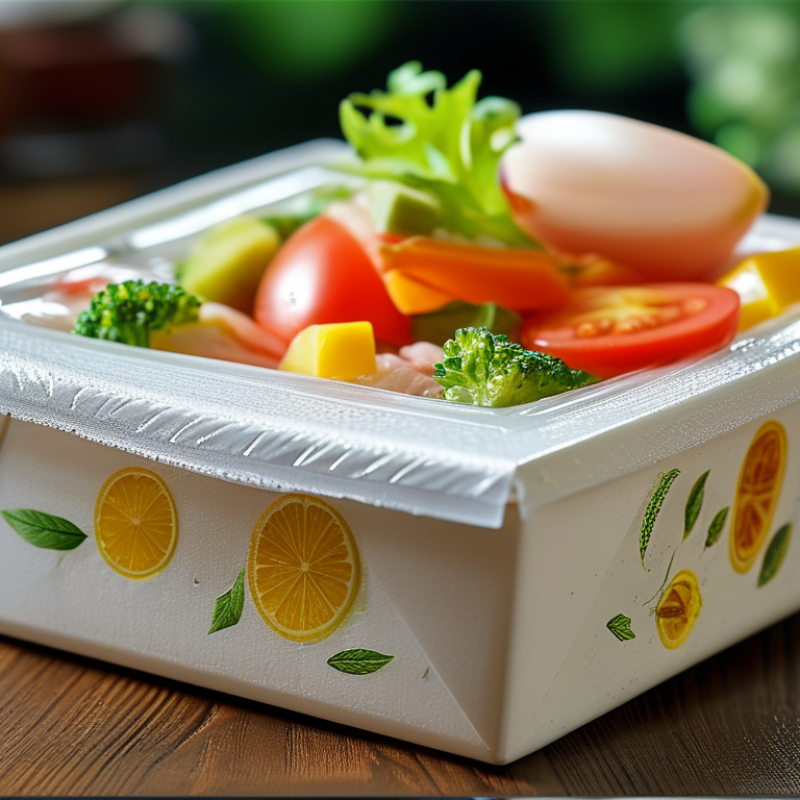
Top 10 Benefits of Using Plastic Wrap Cling Film for Your Business?

Understanding Plastic Wrap Cling Film: A Comprehensive Overview

Plastic wrap cling film is vital for many businesses. This versatile material offers several benefits, especially in food storage and packaging. According to a recent industry report, over 60% of food service providers rely on plastic wrap for effective inventory management. It keeps items fresh and minimizes waste significantly. The cling properties help seal various food products securely. This reduces contamination and extends shelf life.

In addition to food preservation, plastic wrap is lightweight and cost-effective. Businesses can save on shipping costs while ensuring product safety. A study indicated that using plastic wrap can decrease spoilage rates by up to 30%. Some industry experts note that plastic wrap is not impervious to criticism. There are environmental concerns regarding its disposal. Many businesses are reflecting on sustainable alternatives. Still, until a feasible solution emerges, cling film remains a functional choice. Proper training and guidelines can enhance its effective use while addressing ecological impacts.

Top 10 Benefits of Using Plastic Wrap Cling Film for Your Business

Enhancing Food Freshness and Shelf Life with Plastic Wrap

Plastic wrap cling film is an essential tool for any business dealing with food. Its ability to enhance food freshness is remarkable. By creating an airtight seal, it prevents exposure to air, which can cause spoilage. Fruits and vegetables maintain their crispness longer when properly wrapped. This simple action can save money and reduce food waste.

Moreover, cling film is versatile. It can wrap sandwiches, cover bowls, or secure containers. Each application helps extend shelf life. Yet, it’s crucial to consider the materials used. Not all plastic wraps are created equal. Some may contain harmful chemicals. Conducting thorough research on suppliers ensures safety and quality.

Despite its benefits, reliance on plastic wrap isn’t perfect. It generates waste, raising environmental concerns. Finding eco-friendly alternatives is a pressing challenge. Businesses must balance convenience with responsibility. Adapting to sustainable practices can lead to better outcomes for both food and the planet.

Streamlining Packaging Processes: Efficiency Gains for Your Business

Plastic wrap cling film is a game-changer in packaging processes. It excels in efficiency, which is crucial for any business. With its ability to conform tightly to various surfaces, it minimizes product movement during transit. This tight seal also helps in maintaining freshness, particularly for food items. Employees spend less time securing products, leading to faster turnaround times.

However, not all plastic wraps are created equal. Choosing the right cling film can impact performance. Some options may not adhere well or could tear easily, causing delays. The right film should enhance workflow rather than hinder it. It is important to consider factors such as thickness and stretchability. A trial-and-error approach may be necessary to find the best fit for specific needs.

Using plastic wrap can also reduce material waste. It allows for greater control of how much film is dispensed. This not only saves costs but also promotes sustainability. Yet, businesses must remain vigilant about proper recycling practices. Over-reliance on plastic can lead to environmental concerns that need addressing through responsible use and disposal. Balancing efficiency with eco-friendliness can be a challenging endeavor.

Cost-Effectiveness of Using Plastic Wrap in Commercial Operations

Plastic wrap offers significant cost savings for businesses. In commercial operations, reducing expenses is vital. This cling film is versatile and effective. It keeps food fresh and prevents waste. Many businesses benefit from its easy application.

Using plastic wrap can also minimize storage costs. It takes up less space than traditional containers. This is crucial for restaurants and food suppliers. They can maximize their available space. Additionally, the lightweight nature of plastic wrap reduces shipping costs. Businesses can save significantly on transportation.

There are challenges with plastic wrap. Breakage can occur if not handled carefully. It may also not be the best option for all products. Some items can be difficult to wrap effectively. Companies should evaluate their specific needs. Investing in quality materials may offer better long-term savings.

Top 10 Benefits of Using Plastic Wrap Cling Film for Your Business

Benefit Description Cost-Saving Potential
Preservation of Food Keeps food fresh by sealing in moisture and preventing spoilage. Reduces food waste, leading to savings.
Portability Lightweight and easy to carry, making it perfect for transport. Minimizes shipping costs.
Versatility Can be used for a variety of products beyond food. Reduces the need for multiple types of packaging.
Easy to Use User-friendly, requires no special equipment. Reduces labor costs associated with packaging.
Protection from Contamination Keeps products safe from dust, pests, and bacteria. Minimizes risk of product returns and losses.
Cost-Effective Affordable solution for packaging needs. Lowers overall packaging expenditure.
Customization Available in various sizes, allowing for tailored solutions. Ensures optimal use of material, reducing waste.
Reduced Environmental Impact Some variants are recyclable or made from recycled materials. Potential savings from decreased waste management costs.
Increased Shelf Life Extends the usability of products, reducing spoilage. Enhances revenue by increasing saleable product lifespan.

Versatile Applications of Plastic Wrap Beyond Food Storage

Plastic wrap, often overlooked, serves a variety of purposes beyond food storage. In many industries, its versatility is recognized as a game-changer. For instance, the packaging sector heavily relies on cling film for securing products during transportation. According to a report by Market Research Future, the global cling film market is projected to reach $12 billion by 2026. This growth highlights its importance in various sectors beyond culinary uses.

In the retail sector, plastic wrap is widely used for bundling items. Retailers find it efficient for packaging fragile goods. The film provides protection against dust and moisture. Studies show that 70% of consumers appreciate seeing clear packaging, which enhances product visibility. This trend signifies how cling film's clarity can improve customer experience and boost sales.

Moreover, plastic wrap is utilized in healthcare. Hospitals use cling film for equipment and surface protection. It can prevent contamination and maintain hygiene. Despite its widespread use, concerns about plastic waste linger. Organizations are urging industry players to explore biodegradable alternatives. Balancing convenience with environmental responsibility adds complexity to this otherwise simple solution.