China Top 10 Nano Double Sided Tape Manufacturers?
Nano Double Sided Tape has moved beyond novelty products. It now supports mounting, cushioning, signage, electronics assembly, and lightweight interior applications.
Industry data explains this shift. Grand View Research reports that the global adhesive tapes market reached approximately USD 79 billion in 2023. Its analysis also expects steady growth through 2030, supported by construction, automotive, electronics, and packaging demand. MarketsandMarkets similarly identifies pressure-sensitive adhesives as a growing materials segment, driven by cleaner processing and easier application. These reports do not isolate every nano tape grade, but they show the commercial environment surrounding this product category.
China has become an important manufacturing base for adhesive tapes. Its suppliers offer different foam densities, liner materials, widths, release forces, and temperature ratings. However, appearance alone proves little. A useful manufacturer review should examine adhesive formulation, coating consistency, peel strength, shear resistance, aging performance, and production certification. Factory audits, technical datasheets, sample testing, and customer feedback provide stronger evidence than rankings copied from search results.
Real use is demanding. A transparent strip may hold a small sign on painted drywall, yet fail on dusty concrete. Humidity matters. Surface energy matters. So does removal timing. The following guide evaluates China’s top 10 Nano Double Sided Tape manufacturers through product capability, quality control, customization, export experience, and application support. The list is informative, not absolute. Some companies disclose limited laboratory data, and that weakness deserves attention. A lower-ranked supplier may still perform better for one specific application. Careful buyers should test samples under real load, temperature, and surface conditions before placing large orders.
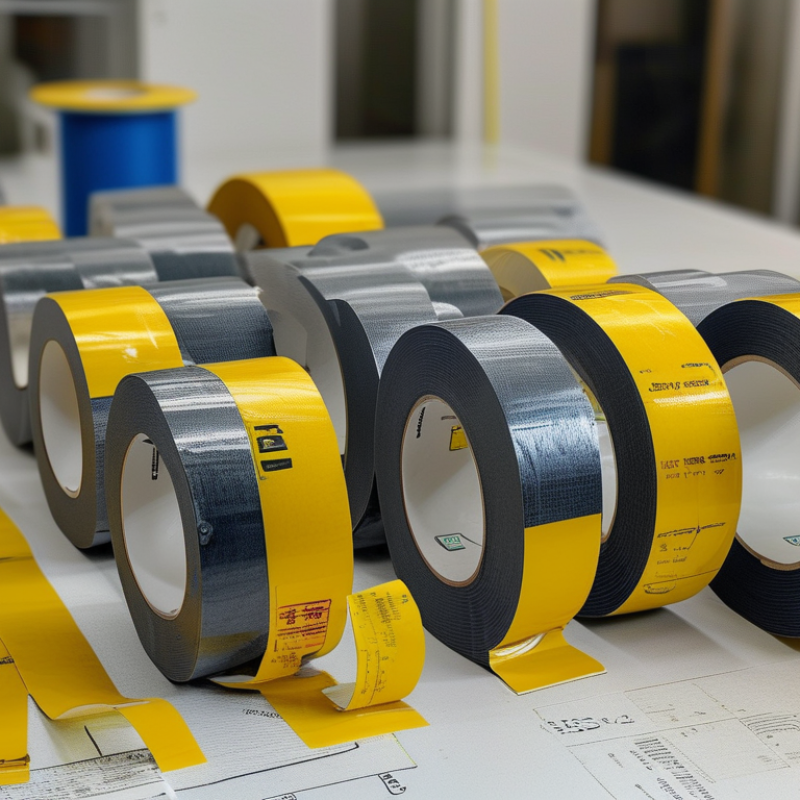
Definition and Uses of Nano Double-Sided Tape in China
Nano double-sided tape is a transparent adhesive strip made from soft acrylic gel. Its micro-structured surface creates strong contact with smooth materials. The word “nano” describes the material’s fine surface design, not a universal technical standard. Buyers should check test data carefully.
In China, this tape is used for mounting signs, cable clips, small shelves, hooks, and decorative panels. It works best on clean glass, ceramic tile, metal, and finished plastic. I have found that dust quickly weakens the bond. A dry cloth and light pressure make a noticeable difference. Painted walls are less predictable. Peeling may remove weak paint layers.
Many Chinese manufacturers produce different thicknesses, widths, and load ratings for household and industrial applications. When comparing the top ten suppliers, examine adhesive composition, temperature range, shear strength, and residue performance. A product rated for 1 kilogram may fail on a rough wall. The advertised load often assumes ideal surfaces and even weight distribution.
The tape can sometimes be washed and reused, but repeated cleaning reduces adhesion. Humidity, heat, oil, and prolonged sunlight also affect performance. I would not trust it for overhead loads without mechanical support. That caution matters. Clear packaging alone does not prove quality. Independent testing, traceable specifications, and consistent batch performance provide more reliable evidence than marketing language.
Key Factors for Evaluating Nano Tape Manufacturers
When evaluating China’s nano double-sided tape manufacturers, test evidence matters more than glossy catalogs. Grand View Research valued the global adhesive tapes market at about USD 85.6 billion in 2023, with continued growth expected through 2030. This scale attracts capable factories, but also creates uneven quality. Ask for peel strength, holding power, and residue data under defined temperatures. A serious supplier should identify test methods, surface types, and conditioning time. “High adhesion” alone proves little.
Humidity is often overlooked. Nano tapes may perform well on clean glass but fail on textured paint or dusty plastics. Compare 24-hour and seven-day shear results. Check performance after heat cycling, bending, and removal. ASTM and ISO-based procedures improve comparison, although internal methods can still hide weaknesses. Request batch records, raw-material traceability, coating thickness, and inspection limits. Manufacturing capacity should include coating consistency, slitting accuracy, and protective-liner control.
Market reports also need careful reading. A 2024 report from MarketsandMarkets projects steady expansion for double-sided tapes, driven by electronics, automotive, and construction uses. Report definitions differ, and nano tape figures are rarely separated clearly. That is a warning. Treat market size as context, not proof of factory expertise. In practical audits, sample rolls from three production batches reveal more than one attractive sample. Even then, I would not approve a supplier without application trials, aging tests, and documented corrective actions. Good factories welcome uncomfortable questions.
China’s Top 10 Nano Double-Sided Tape Manufacturers
China’s top 10 nano double-sided tape manufacturers are best compared through evidence, not attractive catalog claims. A serious review examines factory history, coating lines, adhesive formulation, and export experience. I would also request recent test reports for peel strength, shear holding power, thickness, and temperature resistance. These details show whether a supplier can support repeated orders.
In practical use, quality appears on glass, painted walls, acrylic panels, and metal surfaces. Good nano tape should apply smoothly without cloudy edges or sudden lifting. Sample testing matters. Press a 30-centimeter strip onto a clean panel, leave it for 24 hours, then inspect the load and residue. Humidity and dust can change results, so one indoor trial is not enough. Some manufacturers offer custom widths, printed liners, and roll lengths for industrial packaging or home organization. However, customization may increase lead time and minimum order quantities.
Reliable manufacturers explain their inspection process clearly. Look for incoming-material checks, coating uniformity records, aging tests, and traceable batch numbers. Packaging should protect rolls from heat and dust during transport. I would not rank a supplier from price alone; low-cost tape can fail after a warm afternoon. That lesson is easy to overlook. Buyers should compare samples under the same load, surface, and storage conditions. A transparent factory may admit limitations, which is more useful than promising universal adhesion. The final shortlist should reflect verified performance, communication, and realistic production capacity.
Product Quality, Customization, and Production Capabilities
China Top 10 Nano Double Sided Tape Manufacturers: Product Quality, Customization, and Production Capabilities
When comparing China’s top 10 nano double sided tape manufacturers, product quality should lead the evaluation. Experienced buyers inspect adhesive thickness, release force, shear strength, and residue after removal. A reliable tape should bond smoothly to glass, metal, plastic, and painted surfaces. Test samples under heat, humidity, dust, and repeated handling. Real conditions expose weaknesses.
Customization often separates capable manufacturers from ordinary suppliers. They may adjust tape width, length, thickness, liner material, color, and packaging. Some production teams also develop formulas for low-temperature rooms, curved surfaces, or high-load applications. Ask for technical data, sample records, and clear tolerance ranges. Small details matter. A loose liner can slow assembly.
Production capability requires more than a large factory. Buyers should review coating equipment, curing controls, slitting accuracy, clean storage, and batch traceability. In-house testing can measure peel adhesion, tensile strength, aging, and temperature resistance. Audits and documented quality procedures improve reliability, but certificates alone prove little. An attractive sample can mislead. I have seen performance change between small samples and mass production. Therefore, approve a pilot batch before placing a larger order, and compare results across several production lots. Clear communication with engineers also reduces errors in drawings, adhesive selection, and packaging specifications.
How to Select the Right Chinese Nano Tape Supplier
China’s top 10 nano double sided tape manufacturers should not be judged by rankings alone. Supplier selection requires evidence, testing, and clear communication. A strong factory should explain its adhesive formula, carrier structure, thickness tolerance, and suitable surfaces. Ask for samples on glass, painted walls, metal, and plastic. Check bonding strength after 24 and 72 hours.
Request technical documents, production photos, and recent quality records. Reliable suppliers should provide batch traceability, safety data, inspection reports, and practical packaging details. Confirm minimum order quantities, sample fees, lead times, and export experience before signing any agreement. A supplier may offer excellent adhesion, yet fail with poor release liners or inconsistent cutting. That small weakness can damage an entire shipment.
Tips: Compare at least three suppliers using the same test method. Record peel strength, holding time, temperature, and residue. Ask whether performance changes in humid conditions. Factory audits can reveal storage problems that certificates may miss. A video call is useful, but it is not a full audit. I would also request a pilot order before scaling. A perfect checklist does not exist. Even experienced buyers can overlook surface preparation, which often affects results more than the tape itself. Keep specifications written in plain language, including width tolerance, roll length, color, packing method, and inspection standards.
China Nano Double-Sided Tape Supplier Selection Priorities
A practical evaluation framework for comparing Chinese nano tape manufacturers
The weighting reflects common procurement considerations for nano double-sided tape: adhesive performance, material consistency, customization capability, delivery reliability, compliance documentation, and export support. It is an evaluation framework rather than a ranking of individual companies.