Essential Tips for Choosing Window Aluminum Profiles for Your Projects?
Choosing the right window aluminum profile is crucial for any construction project. The integrity and aesthetic of your windows depend heavily on this choice. Understanding the various options available can significantly impact both functionality and design.
When selecting window aluminum profiles, consider durability, weight, and thermal performance. Different projects may require different specifications; there isn’t a one-size-fits-all solution. It’s essential to analyze the structural demands of your building.
Expert insights can guide your choices. A reputable supplier can provide information on the latest trends and technologies. Engaging with professionals can help you avoid common pitfalls in selection. The incorrect profile can lead to issues, affecting both energy efficiency and safety. Reflecting on your specific needs can lead to better decisions, ensuring successful outcomes for your projects.
Understanding the Importance of Window Aluminum Profiles in Construction
When it comes to construction, window aluminum profiles play a vital role. They are essential for creating durable and energy-efficient windows. Understanding their significance can greatly impact the overall quality of a project. If not chosen wisely, these profiles may lead to higher costs and energy loss.
Aluminum profiles offer a blend of strength and flexibility. They can withstand harsh weather yet provide sleek designs. Their lightweight nature eases installation processes. However, many overlook the importance of thermal insulation features. Choosing a profile without proper insulation can result in drafts and energy inefficiency. It's crucial to prioritize thermal performance alongside aesthetic appeal.
Another point to consider is the surface finish. A profile with better surface treatment withstands corrosion and enhances longevity. Some profiles may look attractive but lack the necessary resistance to weather conditions. Additionally, it is vital to assess the recycling aspect. Aluminum is recyclable, making it a sustainable choice, but some profiles use coatings that hinder this. This aspect requires careful reflection to align with sustainability goals.
Key Factors to Consider When Selecting Aluminum Profiles
Choosing the right aluminum profiles for your projects involves several key factors. Start by assessing the intended use of the profiles. Are they for windows, doors, or curtain walls? Each application has different structural and aesthetic requirements. For instance, a window profile needs to withstand weather elements, while interior applications may prioritize design and finish.
Another important factor is the profile's thermal performance. Look for options with high insulation properties. This is especially crucial in regions with extreme temperatures. Poor thermal performance can lead to increased energy costs and discomfort. Consider the weight and durability of the profiles as well. Heavier profiles may offer more strength but can increase installation costs.
Lastly, always check the manufacturing quality. Profiles should meet industry standards. Look for certifications that demonstrate reliability. Reflect on how long the profiles will last in their intended environment. Identifying these factors can guide you toward making a more informed decision. A thoughtful approach will lead to better project outcomes.
Types of Aluminum Profiles and Their Applications
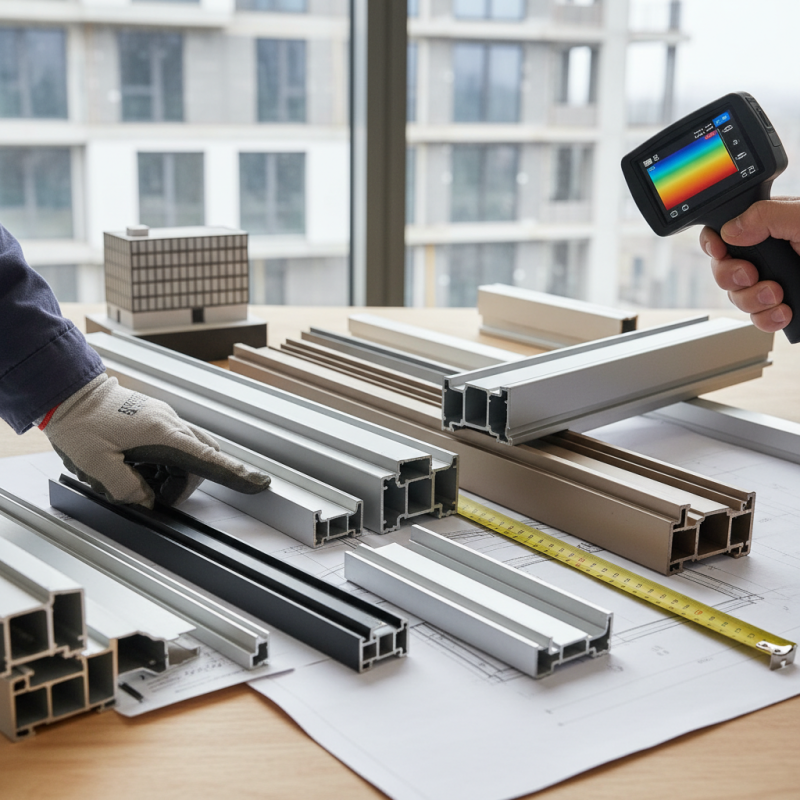
When selecting aluminum profiles, understanding the different types is crucial. Common profiles include angle, channel, and flat bars. Each type serves specific functions and applications. For instance, angle profiles provide structural support for frame construction. Channel profiles are ideal for sliding doors and window frames. Flat bars serve well in brackets and reinforcement applications.
Choosing the right profile can be challenging. Consider the intended use and environment. Some profiles are better suited for high-stress areas. Others may be more aesthetic choices for visible spots. If the appearance matters, look for finishes that complement your design. Shared knowledge from industry professionals can guide you in making informed choices.
Be mindful of design mistakes. Miscalculating dimensions can lead to improper fit. Consider future maintenance needs too. A durable finish is essential for longevity, especially in outdoor settings. Each project demands a unique approach to selecting aluminum profiles. Awareness of these details leads to more reliable outcomes.
Evaluating the Quality and Durability of Aluminum Materials
When selecting aluminum profiles for windows, evaluating the quality and durability is essential. High-quality aluminum should possess excellent resistance to corrosion and environmental factors. A trusted profile will often have a thicker wall, which enhances its strength. It’s critical to check for certifications that conform to industry standards. Profiles that undergo rigorous testing often yield better performance over time.
Moreover, not all aluminum profiles are created equal. Some may bend or warp under pressure. It’s wise to consult experts to understand the differences. Seek samples to test in your environment. This hands-on approach provides insights into how the material will perform in real-world conditions. Remember, the initial cost might save you money in repairs later.
Durability is not just about strength; it’s about performance longevity. Certain finishes can enhance the life of the aluminum. But beware, cheaper finishes might fade or peel over time. Thus, pay attention to the details. Ask about the production process and any warranties. Understanding these aspects can prevent future disappointments.
Cost Considerations and Budgeting for Aluminum Window Profiles
When budgeting for aluminum window profiles, it's crucial to consider various factors. According to the Aluminum Association, the cost of aluminum profiles has seen a price fluctuation of about 10% annually. This variation can be influenced by global market trends and raw material availability. Setting a flexible budget can help accommodate these changes.
Quality and durability often impact pricing significantly. For instance, profiles with higher thermal performance typically cost more but save money on energy bills. A report from the American Architectural Manufacturers Association states that high-performance aluminum windows can reduce energy costs by up to 30%. This long-term benefit can offset initial costs, making them worthwhile.
Don't forget to account for installation costs. These can add an extra layer to your budget. A study suggests that installation expenses may range from 15% to 30% of the total project budget. Proper planning and consultation with professionals can help avoid surprises later. Reflecting on these considerations can lead to smarter, more sustainable spending decisions.