What is PVC Clear Sheet and Its Applications in Everyday Use?
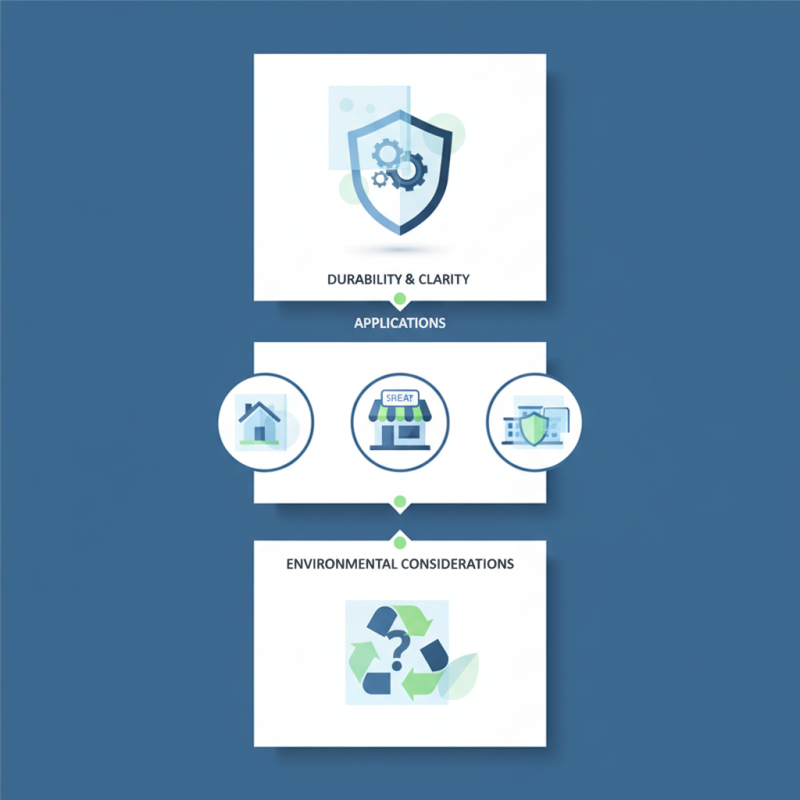
In today’s world, PVC Clear Sheet has emerged as a versatile material widely used in various industries. According to Dr. Emily Carter, a leading expert in polymer science, "PVC Clear Sheet stands out due to its durability and clarity." These sheets are not just functional; they offer aesthetic appeal in various applications.
PVC Clear Sheet can be found in homes, offices, and even schools. They are used for protective covers, signage, and display panels. Their lightweight nature makes them easy to handle, while the transparency allows for unobstructed views of the items beneath. Yet, despite their many uses, some consumers overlook potential environmental impacts.
Understanding PVC Clear Sheet’s advantages and drawbacks is essential. While they provide excellent protection, questions about recyclability remain. As we adopt this material more, awareness of its life cycle should grow. The journey of PVC Clear Sheet extends beyond mere utility; it challenges us to consider our choices thoughtfully.
What is PVC Clear Sheet?
PVC clear sheets are versatile materials with many applications. They are made from polyvinyl chloride, a type of plastic that offers clarity and durability. These sheets can be thin or thick, depending on the intended use. They are often transparent, allowing for visibility while providing protection.
In everyday life, PVC clear sheets are used in crafts, packaging, and even construction. Many schools use them for project displays. They make the projects stand out, especially when light shines through. Restaurants may use them to cover menus, keeping them clean and easy to read.
**Tip:** When using PVC sheets, ensure you choose the right thickness for your project. Thinner sheets are easier to cut, but thicker sheets offer better durability.
However, working with PVC clear sheets can be challenging. Cutting can create rough edges. It's crucial to use the right tools for a clean finish. Often, people rush through the process, leading to mistakes. Taking time to measure and cut carefully is important.
**Tip:** When you cut PVC, use sharp scissors or a knife. This can prevent jagged edges and make your project look professional. Always wear protective gear to avoid accidents.
What is PVC Clear Sheet and Its Applications in Everyday Use?
| Property | Description | Applications |
| Transparency | High clarity, allowing for excellent visibility. | Used in protective covers and displays. |
| Durability | Resistant to impact and weather, making it strong. | Common in signage and outdoor applications. |
| Flexibility | Can be produced in various thicknesses and shapes. | Used for custom designs in packaging. |
| Chemical Resistance | Resistant to many household chemicals and solvents. | Ideal for laboratory equipment and protective sheets. |
| Cost-Effectiveness | Relatively inexpensive compared to other materials. | Widely used in various consumer products. |
Composition and Properties of PVC Clear Sheet
PVC clear sheets are versatile materials made from polyvinyl chloride. They possess distinct properties that make them suitable for various applications. Clear sheets are lightweight yet remarkably durable, showcasing a high impact resistance. According to industry reports, PVC sheets have a tensile strength of about 7,000 psi. This makes them ideal for both indoor and outdoor uses.
The composition of PVC clear sheets includes additives that enhance UV resistance, which is crucial for outdoor exposure. However, these additives can vary significantly, which sometimes leads to inconsistent performance under different environmental conditions. In practical terms, if a sheet lacks sufficient UV protection, it may become brittle over time. Transparency and clarity vary too, with some sheets having excellent clarity while others might show a tinge.
In everyday life, PVC clear sheets are often used in applications such as signage, safety guards, and protective barriers. The flexibility of these sheets allows for easy fabrication and installation. However, challenges remain with recycling, as PVC can be difficult to process. An estimated 2.5 million tons of PVC was produced globally in 2022, and recycling rates are still low. This raises questions about sustainability and disposal. While PVC clear sheets offer many benefits, their environmental impact cannot be ignored.
PVC Clear Sheet Properties and Applications
Common Manufacturing Processes of PVC Clear Sheet
PVC clear sheets are manufactured using various processes that shape their unique characteristics. One common method is extrusion. During extrusion, PVC pellets are heated and forced through a die to create thin sheets. This process is efficient and allows for consistent thickness across the sheet. However, it may not always perfect the clarity or surface smoothness desired in high-end applications.
Another method is calendaring. This involves rolling heated PVC into flat sheets. It is ideal for producing large volumes of sheets with uniform thickness. The result is often quite sturdy. Yet, some users find that this method can introduce unevenness. The clarity may not be as high as with extrusion.
Finally, casting is a method where liquid PVC is poured into molds. This can lead to sheets with excellent clarity and thickness variations. However, the casting process can be slower and more expensive. Each method has its pros and cons. Manufacturers often choose based on the application and desired product features.
Applications of PVC Clear Sheet in Various Industries
PVC clear sheets have found various applications across multiple industries, showcasing their versatility. In construction, they serve as protective barriers. These sheets are often used in temporary structures or as covers for outdoor equipment. Their transparency allows natural light to filter through, making them ideal for greenhouses.
In the signage industry, PVC clear sheets are popular for displays. They provide a clear view while safeguarding printed materials. Businesses utilize them for indoor and outdoor signs. However, the durability of these sheets can sometimes be questionable. Over time, exposure to harsh elements may lead to yellowing or brittleness.
In packaging, PVC clear sheets offer a moisture-resistant solution. They keep products safe while allowing customers to see what’s inside. However, sustainability concerns arise with PVC use. Finding eco-friendly alternatives remains a challenge for manufacturers. Balancing functionality and environmental impact is an ongoing dialogue in the industry.
Advantages and Disadvantages of Using PVC Clear Sheet
PVC clear sheets are incredibly versatile materials. They are often used in various applications, including signage, displays, and protective barriers. One major advantage is their excellent clarity. This transparency allows for unobstructed views, making them perfect for display cases. They are lightweight, making them easy to transport and install. Additionally, PVC clear sheets are moisture-resistant. This feature is useful for outdoor applications.
However, there are some drawbacks to consider. PVC can become brittle over time, especially when exposed to UV light. This brittleness may lead to cracks or breaks in the material. Furthermore, while PVC sheets are affordable, their durability doesn't always match higher-end options. The sheets can also warp in extreme temperatures, limiting their effectiveness in varying climates. Users should weigh these factors carefully. Balancing benefits and limitations is key to making an informed choice.