How to Ensure Optimal Welding Protection for Safety?
Welding Protection is crucial for ensuring safety in various environments. Proper gear and precautions can prevent serious injuries. A simple oversight can lead to severe consequences.
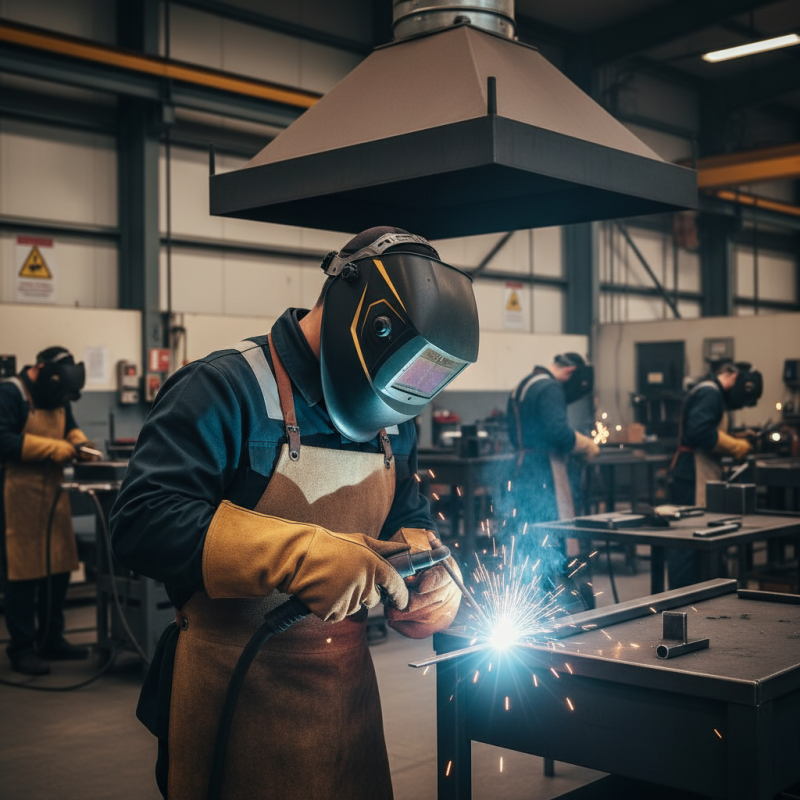
Many welders underestimate the risks involved. They might overlook essential protective equipment. For example, a quality welding helmet is not just a luxury; it’s essential. Without it, vision can be permanently damaged. Gloves should be fire-resistant and well-fitted, but many workers ignore this detail.
Additionally, the workspace should be organized and free from hazards. Poor ventilation can lead to inhaling toxic fumes. Often, individuals in the field neglect adequate training, which is pivotal. Regular reminders and training sessions can reinforce the importance of welding protection. Many factors can compromise safety. Therefore, continuous assessment of protective measures is necessary. Without diligence, accidents can and will happen.
Understanding Welding Hazards and Risks for Optimal Safety
Welding involves several hazards that can pose risks to safety. Understanding these dangers is crucial. Common welding hazards include exposure to fumes, intense heat, and bright light. Each can lead to serious health issues. Fumes can cause respiratory problems. Bright light can lead to eye damage. Both factors need immediate attention.
Tips: Always use proper ventilation when welding. This reduces the concentration of harmful fumes in the air. It's also essential to wear appropriate personal protective equipment (PPE). This includes gloves, masks, and eye protection. Think about the environment too. Ensure your workspace is clutter-free to prevent accidents.
Being aware of hazards isn't always enough. Overconfidence can lead to mistakes. Regularly check your equipment for wear and tear. A small defect can cause major accidents. Reflect on your welding practices. Are you making the right choices for safety? Adjustments may save you from severe injuries. Make safety a priority every time you weld.
How to Ensure Optimal Welding Protection for Safety?
| Welding Hazard | Description | Protection Measures |
| Fumes and Gases | Welding generates fumes and gases that can be harmful if inhaled. | Use local exhaust ventilation, and provide adequate respiratory protection. |
| UV Radiation | Welding arcs produce ultraviolet radiation that can cause skin burns and eye injuries. | Wear proper protective clothing and welding helmets with appropriate filters. |
| Heat and Sparks | Welding involves high temperatures, creating sparks that can ignite flammable materials. | Clear the work area of combustibles, and use fire-resistant barriers. |
| Noise | Welding operations can produce high noise levels that may cause hearing loss. | Use hearing protection like earplugs or earmuffs. |
| Chemical Exposure | Some welding materials may contain harmful chemicals that pose health risks. | Ensure safety data sheets are available and use appropriate chemical protective gear. |
Selecting Appropriate Personal Protective Equipment (PPE) for Welders
When selecting personal protective equipment (PPE) for welders, focus on function and fit. A welding helmet is crucial. It should have a proper shade level. This protects eyes from harmful rays. A comfortable helmet can improve concentration. Ill-fitting gear can lead to distractions.
Next, consider gloves and clothing. Gloves must provide dexterity while protecting against heat and sparks. Look for flame-resistant materials. Clothing should cover the entire body. Avoid loose fabrics that can catch fire. Reflective elements enhance visibility in dim conditions.
Many overlook the importance of proper footwear. Steel-toed boots offer protection from heavy falling objects. Slip-resistant soles provide safety on slippery surfaces. While it can be tempting to skimp on PPE, investing in quality gear pays off. Skipping essential items may lead to injuries. Regularly assess gear for wear and tear, too. Don’t wait for an accident to address safety concerns.
Implementing Workplace Safety Protocols for Welding Operations
Implementing workplace safety protocols in welding operations is critical. According to the American Welding Society, over 500 fatalities occur annually in the welding industry. Ensuring optimal protection begins with proper training. Workers must understand the risks associated with welding, including exposure to harmful fumes and burns.
A study by the National Institute for Occupational Safety and Health indicates that around 50% of welders face respiratory issues due to inadequate ventilation. Implementing ventilation systems is essential. A well-ventilated area can reduce airborne contaminants by up to 90%. Workers should also wear personal protective equipment (PPE), such as helmets and gloves. However, inconsistent use of PPE remains a challenge. Many workers neglect it in favor of comfort or flexibility.
Regular safety audits can help identify gaps in adherence to safety protocols. Data shows that organizations with regular inspections report 30% fewer accidents. But keeping up with maintenance of safety equipment needs attention. Protocols can easily become outdated without proper reviews. Continuous education about welding hazards and regular updates on safety measures are vital for a safer workspace.
Welding Protection Gear Effectiveness
Routine Safety Training and Education for Welding Personnel
Welding is a high-risk profession. Routine training can drastically reduce the dangers involved. Workers must understand the risks associated with welding. Regular safety sessions help reinforce crucial information. They provide hands-on experience with safety gear. This practice keeps safety fresh in everyone’s mind.
Safety training is more than just lectures. It should involve interactive sessions. Role-playing emergency scenarios can be beneficial. Workers may forget details without engaging methods. Short quizzes can reinforce learning outcomes. Each session should allow time for questions. Open discussions foster a culture of safety. Workers need to feel comfortable voicing concerns.
Challenges can arise during training. Some may resist the process. Others might think they know everything. It's important to address these attitudes. Refresher courses should be mandatory. Ensuring everyone is on the same page is vital. By reflecting on past incidents, improvements can be made. Constant evaluation of training effectiveness is key. This approach ultimately leads to better protection in the workplace.
Maintaining and Inspecting Equipment for Safe Welding Practices
Welding safety relies heavily on equipment maintenance and inspection. The American Welding Society states that improper equipment can lead to accidents. Regular inspections help prevent hazardous situations. In fact, studies show that 20% of welding injuries are due to equipment failures. Keeping equipment in optimal condition is crucial.
Inspecting welding gear should include checking for wear and tear. Hose and cable damage can cause leaks or electrical failures. The National Institute for Occupational Safety and Health recommends monthly checks for all equipment. Innovative technologies, like digital monitoring systems, can aid in timely inspections. However, some of these systems are underutilized in the field, leaving gaps in safety.
Training workers on equipment inspection is essential yet often overlooked. Many welders are not familiar with the inspection protocols. This lack of knowledge can lead to complacency. Data reveals that only 30% of welders receive proper training in equipment maintenance. Improving training programs can help bridge this gap and enhance safety practices.