Your Source for Trays!

How to Choose Foam Inserts for Boxes?

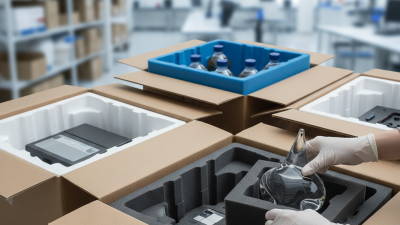
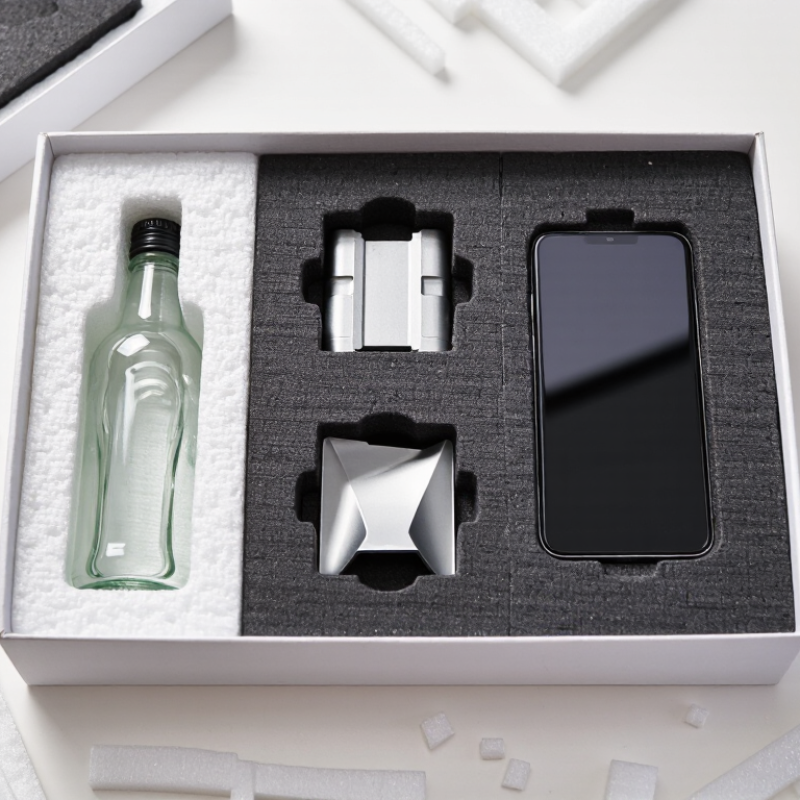
Choosing foam inserts for boxes is more than selecting a soft material. The insert must protect the product, support its presentation, and fit the box without unnecessary movement. A practical choice begins with the item’s weight, shape, surface finish, and shipping conditions. A fragile glass bottle needs different support from a machined metal part or a premium electronic device. Small details matter. Sharp corners can cut foam. Loose cavities can allow impact damage.

This guide examines common foam types, densities, thicknesses, and cutting methods. It also considers how customers handle the package after delivery. Polyethylene foam offers firm support and a clean appearance. Polyurethane foam provides cushioning for lighter products. EVA foam can create a denser, more refined fit. Material selection should follow testing, not appearance alone. A sample insert may look excellent but compress poorly under repeated pressure. That mistake is easy to miss.

Measure carefully.

Reliable decisions usually come from prototypes, drop testing, and supplier documentation. Check cavity depth, wall thickness, product tolerances, and the box’s internal dimensions. Leave enough clearance for loading, but avoid gaps that encourage movement. Humidity, temperature, and long-distance transport can also change performance. Experience helps, yet assumptions still fail sometimes. A heavier insert is not automatically safer, and thicker foam is not always better. The best foam inserts for boxes balance protection, cost, appearance, production speed, and practical handling. That balance may require revision after real-world testing.
How to Choose Foam Inserts for Boxes?

Understand the Purpose and Protection Needs of the Box

How to Choose Foam Inserts for Boxes?

Understand the Purpose and Protection Needs of the Box

The right foam insert begins with the box’s purpose, not its appearance. A presentation box needs clean positioning, while a shipping box needs stronger impact protection. Consider what the package will face during handling, storage, and delivery.

A fragile item may experience vibration, compression, and sudden drops. Measure its length, width, height, and vulnerable points carefully. Then leave enough space for foam walls around those areas. Soft foam can cushion light products, but denser foam may support heavier equipment. The insert should hold the item firmly without making removal difficult.

Fit matters most.

In practical testing, I place a sample product inside the insert and gently shake the closed box. If the item shifts, the cavities need adjustment. I also check whether the lid presses against raised parts. That mistake is easy to miss. A simple drop test with a weighted sample can reveal weak corners or insufficient cushioning.

Think about the storage environment, too. Humidity, heat, dust, and repeated handling can affect foam performance. Closed-cell foam often resists moisture better, while softer foam may provide a more refined presentation. However, the most attractive insert is not always the safest one. I have sometimes chosen a neat-looking fit that was too tight. Reviewing real handling conditions usually leads to a more dependable design.

Compare Foam Types, Densities, and Performance Features

Choosing foam inserts starts with the object, not the box. Measure its length, width, height, weight, and fragile contact points. Fit matters. A snug cavity should hold the item without squeezing buttons, lenses, or delicate edges.

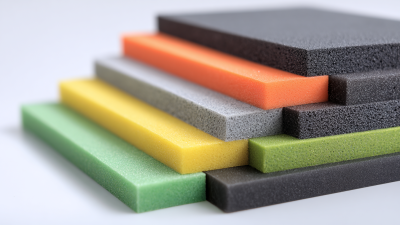
Polyurethane foam is light, soft, and suitable for items needing gentle cushioning. Its open-cell structure can compress easily, but it may absorb moisture and lose shape sooner. Polyethylene foam offers firmer support, closed-cell resistance, and better moisture protection. It works well for heavier equipment and repeated handling. Ethylene-vinyl acetate foam feels denser and cleaner, making it useful for presentation cases and products with sharp contours. However, its cost and cutting requirements may be higher. Foam selection is rarely perfect.

Density changes how an insert performs. Low-density foam absorbs light impacts but can bottom out under heavy loads. High-density foam supports weight better, yet it may transmit shock instead of absorbing it. Test both compression and rebound. Place the packed box on a vibration table or conduct controlled drop tests from realistic handling heights. Check whether the item shifts, whether corners crush, and whether the foam recovers afterward. Temperature also matters; some foams stiffen in cold storage and soften in heat. My first design would not be the final design. Rechecking the insert after several packing cycles often reveals hidden wear. Surface texture, flame resistance, antistatic performance, and cleanability may also influence the choice. Test it twice.

How to Choose Foam Inserts for Boxes? - Compare Foam Types, Densities, and Performance Features
Foam Type Typical Density Range Cell Structure Cushioning Performance Moisture Resistance Durability and Recovery Best-Suited Products Key Advantages Important Limitations
Polyethylene Foam (PE) Approximately 25–110 kg/m³ Closed-cell Excellent impact absorption and vibration isolation; firmer grades provide strong structural support. Very high; resists water absorption and many common chemicals. High resilience, good dimensional stability, and strong resistance to repeated handling. Heavy tools, machinery parts, medical equipment, electronics, and precision instruments. Lightweight, firm, low water absorption, clean appearance, and suitable for reusable packaging. Usually costs more than basic open-cell foams and may be less conformable around delicate irregular shapes.
Expanded Polyethylene (EPE) Approximately 20–100 kg/m³ Closed-cell, bead-formed Good cushioning for general handling and surface protection; performance depends strongly on density and thickness. High; the closed-cell structure limits moisture uptake. Good flexibility and resilience, although repeated compression can gradually reduce thickness. Furniture components, glassware, consumer goods, automotive parts, and larger products. Lightweight, economical, easy to fabricate, and available in molded or sheet forms. Less precise and less premium-looking than fine-cell foams; lower grades may offer limited long-term compression resistance.
Ethylene-Vinyl Acetate (EVA) Approximately 45–250 kg/m³ Closed-cell Very good cushioning with a broad range of firmness options; high-density grades support heavier items. Very high; low water absorption and good resistance to humidity. Excellent resilience, abrasion resistance, and shape retention in demanding applications. Premium electronics, optics, tools, sporting equipment, and custom protective cases. Clean-cut edges, attractive surface, strong recovery, and excellent balance of protection and presentation. Typically more expensive than PE or EPE; very soft grades may not provide enough load-bearing support.
Polyurethane Foam (PU) Approximately 18–65 kg/m³ Open-cell Excellent conformability and shock absorption for lightweight or fragile products; less suitable for moisture-sensitive packing. Low to moderate; open cells can retain moisture unless treated or protected. Good flexibility, but long-term compression set and aging performance depend on foam grade and storage conditions. Cosmetics, small electronics, glass products, delicate instruments, and presentation packaging. Soft feel, easy product fit, good airflow, and economical fabrication. Absorbs moisture, can collect dust, and may degrade faster under UV exposure or harsh environmental conditions.
Cross-Linked Polyethylene (XLPE) Approximately 30–160 kg/m³ Fine, closed-cell Excellent impact protection, vibration damping, and load distribution with consistent performance over repeated use. Very high; highly resistant to water absorption and many cleaning agents. Very good resilience, compression recovery, abrasion resistance, and dimensional stability. Industrial equipment, aerospace components, medical devices, and high-value reusable packaging. Fine appearance, reliable die-cutting, low particle generation, and strong long-term performance. Higher material and tooling cost; recycling can be more difficult than for some non-cross-linked foams.
Polypropylene Foam (EPP) Approximately 30–250 kg/m³ Closed-cell, molded bead structure Excellent energy absorption and repeated-impact performance, especially in molded protective designs. Very high; low moisture absorption and good resistance to many chemicals. Excellent resilience, fatigue resistance, and reusability; retains shape well after repeated impacts. Automotive parts, reusable shipping containers, industrial components, and heavy-duty protective packaging. Extremely durable, lightweight, washable, and suitable for returnable packaging systems. Usually requires molded tooling; surface detail and aesthetic finish may be less refined than machined sheet foam.
Polystyrene Foam (EPS) Approximately 15–35 kg/m³ Closed-cell, expanded bead structure Good initial shock absorption and thermal insulation, but limited resilience after repeated compression. Moderate to high; water can enter through bead interfaces or damaged surfaces. Lightweight and rigid, but brittle compared with PE, EVA, XLPE, and EPP. One-way shipping protection, appliances, temperature-sensitive goods, and large lightweight products. Low cost, low weight, easy molding, and useful thermal insulation. Can crumble or crack, offers limited reuse, and generally provides a less premium appearance.
Molded Pulp Typically 250–700 kg/m³ for formed packaging sections Porous fiber structure Good structural support and moderate cushioning when designed with ribs, walls, and crush zones. Low in humid or wet conditions unless coated or treated. Rigid and stackable, but can lose strength when exposed to moisture or repeated handling. Consumer electronics, food-service items, bottles, and packaging that prioritizes fiber-based materials. Renewable fiber content, recyclable in many regions, good stacking efficiency, and strong sustainability profile. Less moisture-resistant than closed-cell foams and may require more design space to achieve equivalent shock protection.
Selection note: Density alone does not determine cushioning quality. Final performance also depends on foam thickness, compression behavior, product weight, drop height, contact area, temperature, humidity, and the insert’s geometry. For fragile or high-value products, validate the completed package with drop, vibration, compression, and environmental testing.

Measure the Product and Plan the Insert Layout

How to Choose Foam Inserts for Boxes?

Measure the product before choosing foam density or insert style. Record length, width, height, weight, and fragile points. Then add the movement space needed during handling. A tight cavity can crush edges. A loose cavity lets the product strike the box walls. My first layout looked neat, but the lid pressed against a raised connector. That small mistake could become a large return.

Use a simple drawing or a full-scale paper mock-up. Mark each cavity, divider, finger notch, and access direction. Keep heavy components low and delicate surfaces away from exposed edges. ISTA’s 3A testing protocol evaluates packaged products through drops, vibration, and compression. Your insert layout should support those stresses, not only look attractive. Test the packed box after temperature and humidity exposure, if shipping conditions require it.

Material use also deserves scrutiny. The U.S. Environmental Protection Agency reported 14.5 million tons of plastic packaging waste generated in 2018, with only about 13.1% recovered. Foam is not automatically wasteful, but oversized cavities increase material use. Measure the product twice. Allow clearance for cables, coatings, and normal manufacturing variation. Recheck the design with an actual sample. Data sheets help, yet real products are rarely perfectly uniform. Even a two-millimeter mismatch can change the fit.

Match Insert Design with Packaging, Handling, and Budget Needs

How to Choose Foam Inserts for Boxes?

Foam inserts should match the packaging, handling conditions, and available budget. Start with the product’s weight, shape, and fragile points. Measure every protrusion, including handles and corners. Closed-cell foam suits moisture exposure and repeated handling. Softer foam can protect polished surfaces from scratches. The wrong density creates movement or unnecessary material use.

Handling changes the design. For parcel networks, inserts need compression resistance and controlled shock absorption. International Safe Transit Association testing guidance evaluates vibration, impact, and compression risks. Use these tests before approving a large production run.

In my own packaging trials, a tight insert looked secure but stressed a delicate edge. That mistake was expensive.

Budget decisions need practical compromises. Custom-cut foam improves fit, but tooling and setup costs can rise quickly. Layered foam may reduce initial costs and simplify small batches.

The U.S. Environmental Protection Agency’s 2018 materials report recorded 82.2 million tons of containers and packaging waste, representing 28.1% of municipal solid waste. Material efficiency matters.

The United Nations Environment Programme’s Global Resources Outlook 2024 warns that global resource extraction could increase by 60% by 2060 without stronger action. Choose only the protection the product needs. Still, no insert is perfect; transport data should guide the next revision.

Test, Refine, and Maintain the Foam Insert Solution

Choosing foam inserts starts with the product, not the foam. Record its mass, center of gravity, fragile surfaces, and acceptable movement. Closed-cell polyethylene resists moisture, while polyurethane provides softer cushioning. Do not trust appearance alone. Measure compression set and recovery after repeated loading. ASTM D4169 provides a structured distribution-testing framework. ISTA protocols add practical drop, vibration, and compression sequences. Use the smallest insert that holds the item without pressure marks.

Build three prototypes with different densities and wall clearances. Test packed samples after heat, humidity, vibration, and corner drops. Inspect hidden damage, not only cracked housings. A failed sample teaches more than a successful first trial. The U.S. EPA’s 2018 Facts and Figures report recorded 82.2 million tons of containers and packaging waste. This supports reducing excess foam, but it does not prove every thinner insert is safer. In practice, a three-millimeter clearance change can noticeably shift impact performance. One shipment is not enough evidence.

Tips: Photograph every test and log density, temperature, drop height, and damage location. Keep a retained sample from each production lot. Recheck fit after six months because compression set may reduce protection. Ask operators to report loose parts, difficult removal, and torn surfaces. Review those records quarterly. Replace inserts when they deform, absorb contamination, or stop restraining the product.