How to Choose a Voltage Transformer for Global Sourcing?
Global sourcing makes transformer selection more complex than comparing prices and nameplate ratings. A Voltage Transformer must match the system’s primary voltage, secondary voltage, frequency, insulation level, accuracy class, burden, and installation environment. A small mismatch can produce unreliable measurements, overheating, or costly commissioning delays. In practice, a supplier’s test records matter as much as its technical brochure.
The International Energy Agency’s Electricity 2024 report projects global electricity demand to grow by an average of 3.2% annually from 2024 to 2026. This expansion increases pressure on substations, renewable-energy projects, industrial facilities, and measurement systems. The U.S. Department of Energy has also highlighted transformer supply-chain constraints and the importance of stronger domestic manufacturing capacity. These findings show why buyers should assess lead times, material traceability, factory testing, and after-sales support before signing a purchase order.
Look beyond the lowest quotation.
International buyers should request IEC 61869 compliance evidence, routine test reports, calibration data, and clear drawings. They should also verify whether the supplier understands local grid conditions, humidity, altitude, short-circuit requirements, and utility approval procedures. A catalogue choice can look correct and still fail during site acceptance. I have seen specifications become unclear when “accuracy” was discussed without defining the actual burden and operating range. That is a useful warning. A reliable sourcing decision combines engineering review, documented quality controls, independent inspection, and realistic logistics planning. This approach supports safer procurement and reduces the risk of replacing an apparently inexpensive Voltage Transformer after installation.
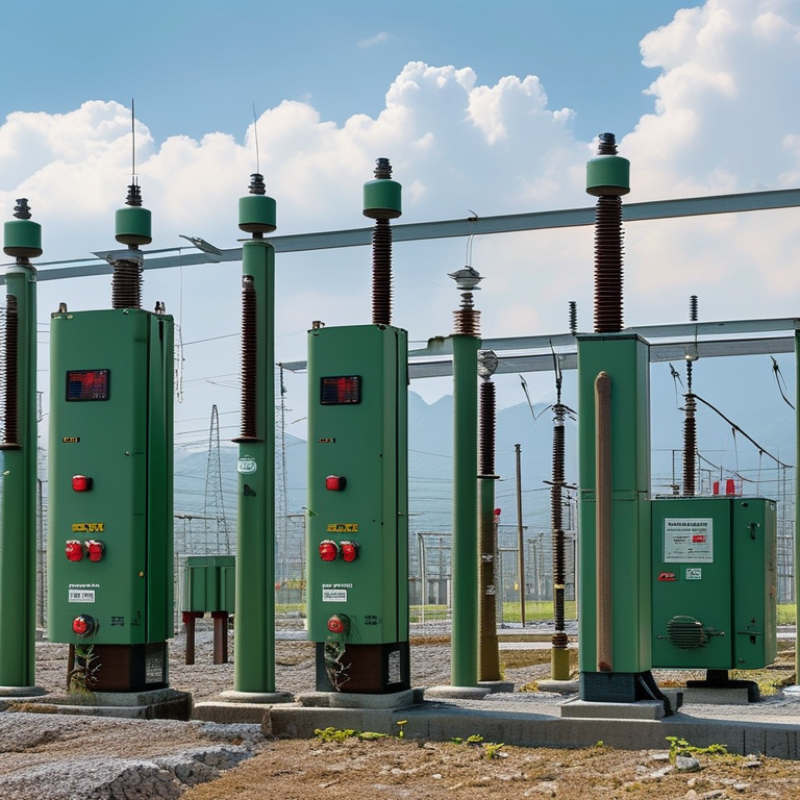
Define the Voltage, Frequency, and Phase Requirements
Choosing a voltage transformer for global sourcing starts with three electrical facts: voltage, frequency, and phase. They must match the destination system, not merely the equipment label. IEC 60038 identifies common low-voltage systems, including 230/400 V at 50 Hz and 120/208 V at 60 Hz. These numbers look simple, but site conditions can differ. Confirm the supply voltage under load, because a measured reading without equipment connected may mislead you.
Frequency affects transformer design, heat, and connected motor performance. A 50 Hz transformer should not automatically serve a 60 Hz application. Phase matters too. Single-phase units suit many small loads, while three-phase systems support industrial machinery and balanced power distribution. The International Energy Agency’s Electricity 2024 report expects global electricity demand to grow by an average 3.4% annually through 2026. That growth increases pressure on distribution equipment, but it does not remove the need for precise specifications.
Tips Write the requirement as “input voltage / output voltage / frequency / phase,” then add kVA, insulation level, connection type, and allowable tolerance. Ask for a nameplate photo or utility specification. Check both primary and secondary voltages. Also verify whether the neutral is required. A small omission here can become an expensive redesign. I have seen sourcing teams focus on kVA and overlook frequency. That shortcut is understandable, but not reliable. Consult a qualified electrical engineer before approving a production sample.
Match Transformer Capacity to the Connected Equipment
How to Choose a Voltage Transformer for Global Sourcing?
Match transformer capacity to the connected equipment, not simply the building’s main breaker. Add each device’s real operating power, then convert watts to volt-amperes using its power factor. Motors, compressors, welders, and switching supplies can draw several times their running current during startup. That brief surge can trip protection or overheat an undersized transformer. Check the nameplate.
A practical calculation should include continuous load, starting current, harmonic content, ambient temperature, altitude, and expected expansion. IEC 60076-1 defines transformer ratings under specified service conditions, so a quoted kVA value is never universal. The U.S. Department of Energy reports that distribution-transformer losses represent roughly 2% to 3% of national electricity consumption. Correct sizing therefore affects operating cost, not only purchase price. A 20% spare capacity allowance is common, but it may be too small for heavy motor loads or too large for lightly loaded equipment.
For global sourcing, request tested input and output voltages, frequency, phase arrangement, insulation class, cooling method, and temperature-rise data. Confirm whether the listed capacity is continuous or short-time. Also ask for efficiency results at 25%, 50%, and 100% load. The International Energy Agency’s Electricity 2024 report shows electricity demand continuing to rise worldwide, increasing pressure on efficient electrical infrastructure. Yet bigger is not always better. Oversizing can increase no-load losses and shipping costs. Recheck the calculation when equipment changes. Small details are often missed.
Compare Transformer Designs, Materials, and Operating Efficiency
How to Choose a Voltage Transformer for Global Sourcing?
Transformer design should match the installation, not merely the lowest quotation. Oil-immersed units usually provide strong thermal performance for outdoor substations and heavier loads. Dry-type transformers suit indoor facilities where leakage control and fire protection matter. A dry unit may simplify maintenance, but it can produce more audible noise and require better ventilation. Small details become expensive later.
Core material deserves close comparison. Grain-oriented electrical steel is widely used for efficient magnetic operation. Amorphous metal cores can reduce no-load losses, especially when a transformer remains energized overnight. The U.S. Department of Energy’s 2024 efficiency rule estimates major long-term energy savings from improved distribution transformers. However, the most efficient core is not always the best commercial choice. Availability, lead time, and local repair skills can change the calculation.
Winding material matters too. Copper generally offers lower resistance and stronger mechanical performance, while aluminum can reduce weight and initial cost. Request tested losses at 25%, 50%, and 100% load, not only the nameplate efficiency. The European Commission’s Ecodesign data shows that transformer losses remain an important equipment-level efficiency concern. Ask for IEC 60076 compliance, temperature-rise results, impedance values, and routine-test records. Check 50 or 60 hertz compatibility. I once saw a technically efficient unit fail a sourcing review because its accessories were unavailable locally. That oversight was preventable.
How to Choose a Voltage Transformer for Global Sourcing?
Comparing transformer designs, core materials, and operating efficiency
How to read this comparison: The chart uses representative planning values for 100 kVA, 11 kV/400 V, 50/60 Hz transformers. Efficiency is estimated at 75% rated load using no-load and load-loss values. Amorphous-core designs generally minimize standby losses, while cast-resin dry-type transformers can be preferred where fire safety, indoor installation, and reduced liquid-maintenance requirements are priorities. Final sourcing decisions should be verified against the applicable IEC or local efficiency standard, temperature-rise limits, insulation class, and test certificate.