How to Choose the Best Shuttle Racking System for Your Needs?
Choosing the right shuttle racking system is crucial for efficient warehouse management. It directly impacts storage capacity, accessibility, and workflow. The market offers various options, each with unique features and configurations. Understanding these can help tailor a solution that meets your specific needs.
Factors such as warehouse size, product type, and inventory turnover rate play key roles. A high-density shuttle racking system can maximize vertical space usage. Meanwhile, a simpler system might suffice for less demanding environments. It’s essential to evaluate your operations critically to avoid costly mistakes.
Engaging with industry experts or conducting thorough research can enhance your decision-making process. Consider visiting operational sites to observe systems in action. These steps help ensure your chosen shuttle racking system aligns with your strategic goals. Always reflect on your selection to ensure it brings lasting benefits to your warehouse operations.
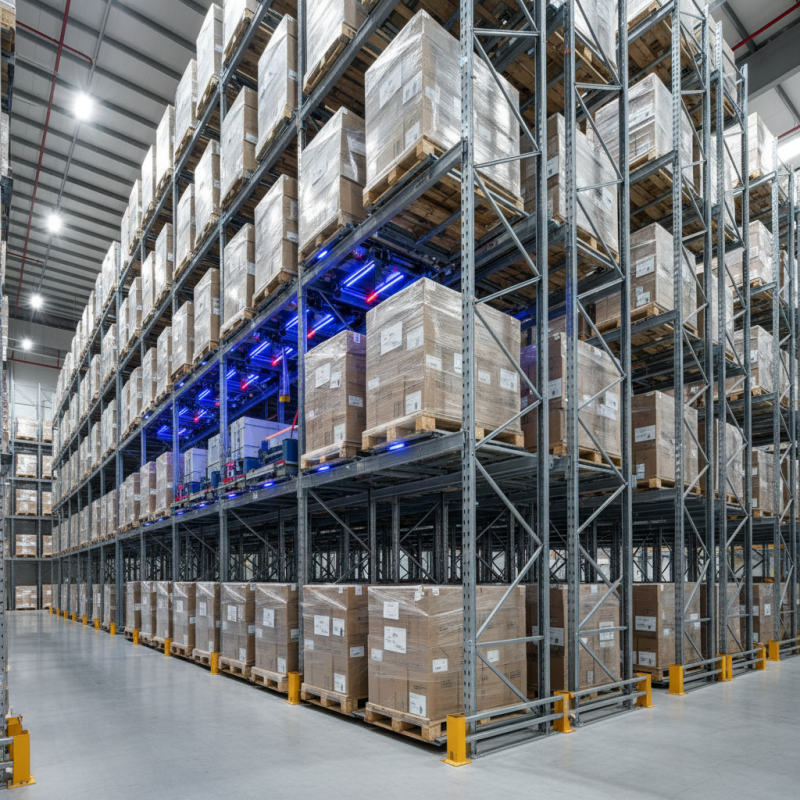
Understanding Shuttle Racking Systems and Their Benefits
Shuttle racking systems have gained popularity due to their ability to optimize warehouse space. These systems allow for high-density storage, making them suitable for businesses with large inventory needs. According to a report from the Material Handling Industry of America (MHIA), implementing shuttle systems can increase storage efficiency by up to 60%. This performance can significantly reduce the cost per stored unit.
One of the main benefits of shuttle racking systems is their flexibility. They can handle various product types and sizes. This adaptability becomes crucial in industries with changing inventory demands. For instance, a study by the Warehousing Education and Research Council (WERC) indicated that 40% of warehouses face challenges with fluctuating stock levels. Shuttle systems can quickly adjust and accommodate these shifts, enhancing operational efficiency.
However, it is important to consider installation and maintenance costs. Initial investments can be substantial, and ongoing maintenance is required to ensure reliability. A report from the International Warehouse Logistics Association (IWLA) highlights that up to 20% of warehouse costs can stem from equipment upkeep. Balancing these costs with the benefits is essential for decision-makers looking to implement shuttle racking systems in their operations.
Assessing Your Storage Space Requirements and Layout
When assessing your storage space requirements, begin by measuring the dimensions of your facility. Consider ceiling height, floor space, and door access points. A well-planned layout ensures that your shuttle racking system will maximize storage efficiency. Think about the flow of goods and personnel. Is there enough room for forklifts? Are the pathways clear? These are crucial questions.
Next, analyze your inventory characteristics. What types of products are you storing? Are they uniform in size or highly varied? This will influence the depth and configuration of your racking system. If your products have different dimensions, you may face challenges in optimizing your space. Reflecting on this can lead to thoughtful adjustments.
Lastly, consider future growth. Your current storage layout should accommodate potential increases in inventory. The improvement of space usage is never a one-time task. Regular evaluations will enhance your operations. Flexibility is essential for adapting to changing needs. Design today with tomorrow in mind.
Evaluating Load Capacity and Weight Distribution Needs
When choosing a shuttle racking system, evaluating load capacity and weight distribution is crucial. You must understand the maximum load your system can handle. Each shuttle design has a specific weight limit. Ignoring this can lead to failure and potential safety hazards. Assess the heaviest items in your inventory. Calculate their weight thoroughly for accuracy.
Consider how the weight is distributed across the racking system. Uneven weight distribution may cause instability. This can lead to damage or accidents. Take into account the layout of your warehouse. Will your product sizes change frequently? It’s wise to plan for future needs. Anticipating changes may save on costs later.
Tips: Always ensure that each shelf has adequate support. Regularly check the load limits on your shuttle system. Don't hesitate to seek professional guidance. Consulting with a storage expert can bring valuable insights. This is especially important for large operations. A little investment in planning can prevent larger losses.
Comparing Different Types of Shuttle Racking Systems
Shuttle racking systems offer a flexible solution for warehouse storage. They allow for high-density storage while ensuring quick access to goods. However, choosing the right system is crucial for efficiency. Two main types exist: conventional shuttle systems and autonomous shuttle systems.
Conventional systems often require manual oversight. They use shuttles that move horizontally and vertically within a racking structure. Limited automation can lead to increased labor costs. According to industry reports, these systems can improve space utilization by up to 50%. However, inefficiencies might arise during peak times.
Autonomous shuttle systems provide advanced features. They operate independently, reducing the need for human intervention. These systems can adapt to varying workloads efficiently. Reports indicate that they can increase throughput by 30% compared to conventional systems. This type might also present a higher initial investment. Overall, analyzing workload, budget, and space requirements will guide warehouse operators in making the right choice.
Selecting the Right Manufacturer and Installation Services
When selecting a shuttle racking system, choosing the right manufacturer is crucial. A reputable manufacturer will provide reliable products. Look for companies with a solid track record in the industry. They should have experience with various types of warehouse systems. Research their previous projects. Visit their facilities if possible. This can reveal their attention to detail and quality control.
Installation services also play a significant role in the effectiveness of your racking system. An experienced installation team can ensure that the system is set up correctly, maximizing efficiency. Review customer feedback on installation quality. It can offer insights about potential issues. Incomplete or hurried installations may lead to future complications, damaging both equipment and inventory.
Verify the credentials of installation technicians. Experienced professionals can handle unexpected challenges that may arise during setup. Choosing carefully can save time and money down the line.