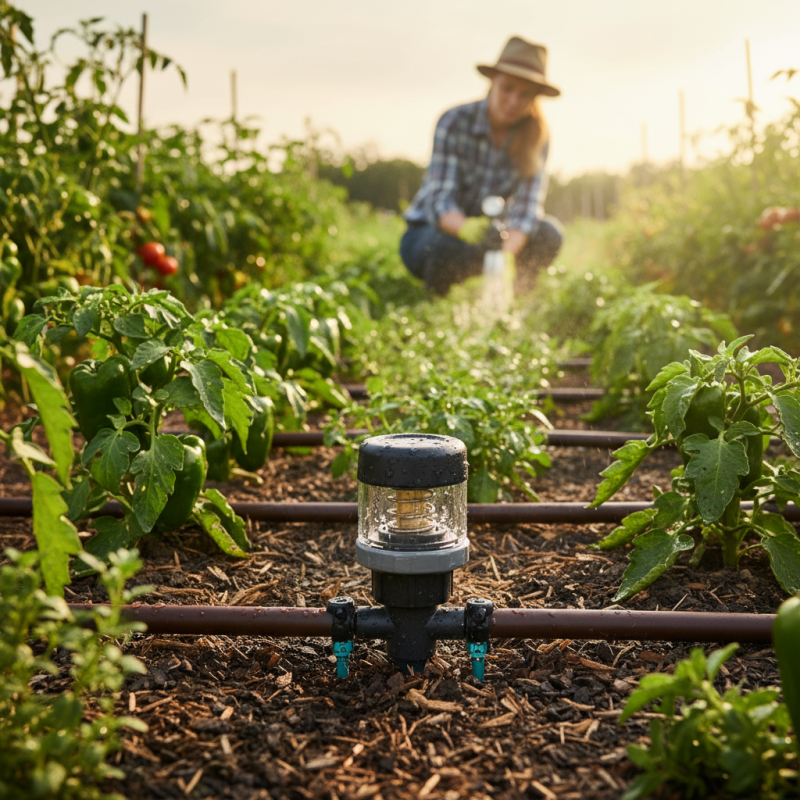
How to Choose the Best Drip Line Pressure Regulator for Your Needs?
Choosing the right Drip Line Pressure Regulator is crucial for effective irrigation. According to irrigation expert Dr. Jane Anderson, "A suitable pressure regulator can make all the difference in water efficiency." Understanding your specific needs can help in selecting the best regulator for your system.
High-quality Drip Line Pressure Regulators maintain consistent water pressure, which promotes healthy plant growth. Many factors influence your choice, including flow rate, compatibility, and budget. Reading reviews and learning from experienced users can guide your decision.
Still, not everyone gets it right. Some may overlook essential features, leading to inefficiencies. Reflect on your specific irrigation goals to avoid common pitfalls. Awareness of your options will help you maximize your system's potential.
Understanding the Importance of Pressure Regulators in Drip Irrigation
In drip irrigation, pressure regulators are vital components. They ensure a consistent water flow to plants. Proper pressure levels boost efficiency and prevent damage. Without regulation, water pressure can fluctuate unpredictably. High pressure may lead to bursts and leaks. Low pressure can cause uneven watering. Both scenarios stress plants and waste resources.
Choosing the right pressure regulator is essential. Consider your specific irrigation setup and the terrain of your garden. Count the number of plants and their water needs.
Analyze water source pressure and adjust accordingly. Regulators come in various sizes and settings. Not all are suitable for every system. A mismatch may hinder water delivery.
It's also important to regularly check your regulator. Wear and tear can affect performance. Sometimes, performance may fall short of expectations. This is a chance to reflect on your choice.
Evaluate if it's delivering the water flow needed. Regular maintenance helps prolong life and efficiency. Monitor your plants' response to irrigation changes. This might lead to necessary adjustments in pressure regulation.
Types of Drip Line Pressure Regulators and Their Use Cases
When selecting a drip line pressure regulator, understanding the types and use cases is crucial. Drip line regulators fall primarily into two categories: simple pressure regulators and compound pressure regulators. Simple pressure regulators maintain a constant output pressure, typically around 10-30 PSI. They are suitable for standard drip systems where uniform water distribution is required.
Compound pressure regulators, on the other hand, offer dual functionality. They maintain a consistent pressure while measuring and controlling it, ideal for varying terrain and plant needs. According to a 2022 industry report, proper pressure regulation can improve water efficiency by 20-30%. This is critical for sustainable gardening and agriculture.
Tip: Always check the operating pressure for your specific system before purchasing. An incorrect regulator might lead to overwatering or underwatering.
Consider the specifics of your landscape. For sloped areas, a compound regulator is often necessary to ensure all plants receive adequate water. Regularly inspect your system for clogs. Even slight blockages can lead to pressure inconsistencies.
Tip: Schedule periodic maintenance to prolong the lifespan of your regulator. Adjustments may be needed based on seasonal changes and plant growth stages. Keeping track of these details can yield more fruitful results in your gardening efforts.
How to Choose the Best Drip Line Pressure Regulator for Your Needs?
| Type of Regulator | Pressure Range (psi) | Flow Rate (GPH) | Ideal Usage |
| Low-Pressure Regulator | 10-15 psi | 0.5 - 1.5 GPH | Vegetable gardens, small flower beds |
| Medium-Pressure Regulator | 15-30 psi | 1.5 - 4 GPH | General landscaping, lawn irrigation |
| High-Pressure Regulator | 30-60 psi | 4 - 8 GPH | Commercial applications, large scale irrigation |
| Adjustable Pressure Regulator | 10-60 psi | Variable | Custom installations, varied crop types |
Key Factors to Consider When Choosing a Pressure Regulator
When choosing a drip line pressure regulator, several key factors come into play. One major consideration is the flow rate. Understanding the specific needs of your irrigation system will help determine this rate. A regulator that matches your system will ensure proper water delivery. Choosing the wrong flow rate can lead to either water excess or insufficient supply.
Additionally, consider the pressure compatibility. Different plants require varying pressure levels. Selecting a regulator that can maintain consistent pressure is essential for plant health. Inadequate pressure may cause uneven watering, affecting growth. Pay attention to the manufacturer's specifications but also question if they fit your unique setup.
Lastly, installation ease is critical. Some regulators come with complex setups, while others are simpler. Opting for something you can easily install can save time and frustration. Reflect on your comfort with DIY projects. Not everyone has the same experience level. If unsure, seek help. A regulator that fits your skills and system needs is best.
Installation and Maintenance Tips for Drip Line Pressure Regulators
Installing and maintaining a drip line pressure regulator is crucial for effective irrigation. Proper installation ensures consistent water delivery. Begin by checking the manufacturer’s guidelines to understand specific requirements. Make sure your connections are tight to prevent leaks. Using high-quality connectors can impact performance. It may take time to find the right tools for this task, but attention to detail pays off.
Regular maintenance can catch issues early. Check for clogs in the filter regularly; sediment buildup is common. Clean the filter according to the manufacturer’s instructions. If water flow decreases, it might indicate a problem with the regulator itself. Replace worn components promptly to avoid larger issues later. Keeping a maintenance log can help track the system's performance over time.
It’s important to adjust pressure settings based on plant needs. Over time, you may notice the regulator doesn’t perform as it used to. Periodic recalibration might be necessary to ensure efficiency. Don’t hesitate to consult experts if you're unsure about any details. Finding the right balance between pressure and flow can take effort. Each garden has its unique needs, and adapting is key.
Common Mistakes to Avoid When Selecting a Pressure Regulator
When selecting a drip line pressure regulator, common mistakes can derail your project. One frequent error is overlooking flow rate requirements. Every irrigation system varies in needs. It's vital to understand how much water your plants require. Without this information, you could end up with an underperforming system.
Another pitfall is not considering the pressure settings of your water supply. Many assume that all systems can accommodate the same pressure. This oversight can lead to damage to both the regulator and your irrigation setup. Carefully check the incoming water pressure first. Take time to measure this accurately and compare it with the regulator specifications.
Choosing the right material is also essential. Some users pick regulators based on initial cost alone. Cheaper options often do not last or function well long-term. This decision leads to frequent replacements and additional expenses. Reflecting on these choices can save time and money in the long run. Prioritize quality over price to ensure reliable performance in your irrigation systems.