
Your Source for Trays!

How to Choose Barcode Label Stickers for Your Products

Choosing the right Barcode Label Stickers can determine whether products move smoothly or stall during scanning. A label may look sharp on a screen, yet fail in a cold warehouse. The choice depends on your product, packaging, storage conditions, printer, and scanning process.

From practical packaging projects, I have learned that small details matter. A glossy label can reflect scanner light. A weak adhesive can lift from a dusty carton. Direct thermal stickers suit short-term shipping labels, while thermal transfer labels usually provide better durability. However, neither option fits every product. Test both before ordering thousands.

Consider the label material first. Paper can work well for dry indoor shelves. Polyester may perform better near moisture, friction, or changing temperatures. Check the adhesive against cardboard, glass, plastic, or recycled packaging. Some surfaces seem smooth but contain coatings that reduce adhesion. That mistake is easy to miss.

Barcode quality also requires attention. Follow recognized identification and barcode guidance, such as GS1 specifications, and confirm your printer settings. Keep sufficient white space around the symbol. Print a sample at the final size, then scan it from different angles. A barcode that scans once is not necessarily reliable.

Do not choose only by the lowest price. A cheaper roll may create jams, unreadable symbols, or repeated relabeling. Ask suppliers for material data, adhesive details, printer compatibility, and sample testing. Even experienced teams sometimes overlook humidity or label curvature. Review the decision after real use. Your best Barcode Label Stickers should remain readable, attached, and practical throughout the product’s journey.
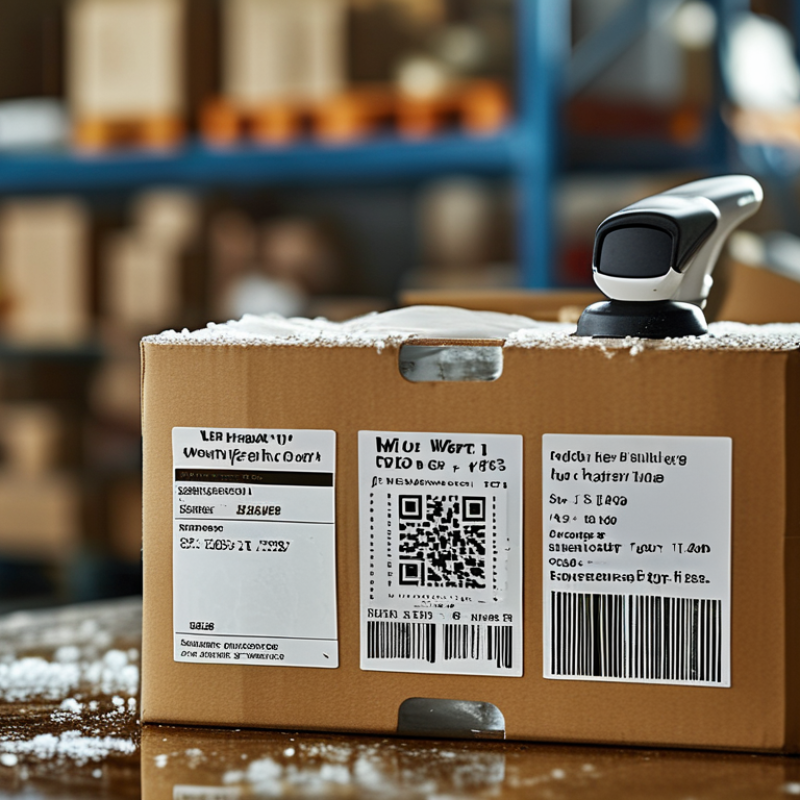
How to Choose Barcode Label Stickers for Your Products

What Barcode Label Stickers Are and Why They Matter

How to Choose Barcode Label Stickers for Your Products

What Barcode Label Stickers Are and Why They Matter

Barcode label stickers combine printed patterns, numbers, and adhesive backing. Scanners read the pattern and connect it with stored product information. This simple process supports inventory checks, order preparation, shipping, and customer service.

A reliable barcode label reduces manual entry and prevents costly counting mistakes. It can also improve traceability when products move through several storage areas. In my experience, label failure often starts with the wrong material, not the barcode design. A glossy sticker may reflect scanner light. A weak adhesive may lift from a dusty box. Small details matter.

The product surface and environment should guide your choice. Choose moisture-resistant material for refrigerated goods or damp storage areas. Select a stronger adhesive for textured cardboard or plastic containers. Keep enough white space around the barcode. Print dark, sharp bars with clear human-readable numbers. Test several labels on actual packages before ordering in bulk. I once trusted a clean sample sheet, but the labels performed poorly on curved containers. That was a useful mistake.

Tips: Check scan accuracy after printing. Rub the label gently. Expose it to expected temperature changes. Confirm the barcode remains readable after handling. Store unused labels flat and away from heat. Good labels should stay attached and easy to scan. Yet perfection is not always practical; regular testing is better than assuming.

How to Identify Your Product’s Barcode and Label Requirements

How to Choose Barcode Label Stickers for Your Products

Before choosing barcode label stickers, identify the exact barcode printed on your product. Check its symbology, data, size, and required print quality. A product may carry a retail barcode, shipping code, serial number, or internal tracking code. These formats are not interchangeable. Do not guess from appearance.

Inspect the label’s working environment. A warehouse carton may face dust, moisture, friction, and temperature changes. A refrigerated item needs adhesive that remains stable on cold surfaces. Smooth glass, textured plastic, and untreated cardboard also require different adhesive performance. Measure the available label area, including the barcode’s quiet zones. Keep the code flat, clear, and away from seams or curved edges. Small details matter.

Test before ordering in bulk. Print a sample using the planned material, printer settings, and ribbon. Scan it from different angles and distances. A barcode verifier can reveal poor contrast, distortion, or missing bars that a basic scanner may overlook. Check whether the label remains readable after handling. I have seen attractive labels fail after one damp delivery. That mistake was avoidable. Requirements can also change when packaging changes, so record the approved size, adhesive, surface, and verification results. A second review is worthwhile.

How to Choose the Right Sticker Material and Adhesive

Choosing barcode label stickers starts with the product environment, not the printer. In warehouse trials, paper labels worked well on dry cartons kept indoors. They became unreliable near chilled storage and condensation. For refrigerated products, choose a synthetic face material that resists moisture and surface scuffing. Polypropylene or polyester can perform better than ordinary paper. Still, material names alone do not guarantee durability. Test a printed label after wiping, rubbing, and cooling it repeatedly.

Adhesive selection deserves equal attention. Permanent adhesive suits clean, smooth cartons needing long-term identification. Removable adhesive may fit reusable bins, but it can lift during transport. For textured cardboard, choose adhesive designed for rough surfaces. Low-temperature applications need adhesive that bonds below the storage temperature. Apply samples to the actual packaging. Wait 24 to 72 hours. Check edge lifting, bubbles, and barcode readability.

I once approved a label too quickly. It scanned in the office, then failed after dust settled on the carton. That mistake changed our testing routine.

Surface energy, curved shapes, and handling pressure also affect bonding. A small bottle may need a flexible label that avoids wrinkles around the seam. Strong adhesive is not always better. It may tear packaging or leave residue during removal. Ask the converter for technical data, including temperature range, initial tack, and recommended dwell time. Verify the barcode with a calibrated scanner, not only a phone camera. Keep records of surfaces, dates, and storage conditions. Results can vary between batches, so periodic checks remain worthwhile.

How to Select Label Size, Print Quality, and Durability

How to Choose Barcode Label Stickers for Your Products

Label size, print quality, and durability directly affect scanning speed and product handling. A label that looks clear on screen may fail under warehouse lighting. GS1 General Specifications identify symbol size, quiet zones, and contrast as key factors for reliable scanning. Do not shrink a barcode simply to save space. Small labels fail. Leave enough white space around the symbol, especially near edges and curved surfaces.

Print quality also needs measurement, not guesswork. ISO/IEC 15416 evaluates barcode quality through parameters such as edge contrast, modulation, and defects. A verifier can provide a grade, while a handheld scanner only shows whether one scan succeeded. That difference matters. For retail applications, test printed samples across multiple scanners and viewing angles. In production trials, even minor ribbon wrinkles or uneven pressure can create thin white lines through bars. I have found that a clean first sample does not guarantee consistent output.

Tips: Choose the largest practical label size. Confirm the barcode’s required X-dimension with your data standard. Test labels after refrigeration, moisture exposure, abrasion, and shipment handling. For cartons, use a stronger adhesive and a protective laminate when surfaces are dusty or textured. Thermal-transfer printing often suits demanding environments, while direct thermal labels may darken with heat or sunlight. Review results against ISO/IEC 15416 or the applicable GS1 guidance. Also check the actual packaging material. A label designed for smooth cardboard may peel from recycled plastic. That is an easy detail to miss.

How to Choose Barcode Label Stickers for Your Products — How to Select Label Size, Print Quality, and Durability

Product or Use Case Recommended Label Size Suitable Barcode Type Print Quality Requirement Recommended Material Durability Requirement Selection Notes
Small retail packages 25 × 15 mm to 40 × 25 mm Compact linear barcode or small 2D barcode Coated paper for dry indoor conditions Short to medium term; protect from frequent rubbing Confirm that the quiet zones around the barcode remain clear.
Standard retail products 50 × 25 mm to 70 × 40 mm Common retail linear barcode or 2D barcode Coated paper or white polypropylene Medium term; suitable for normal handling Leave enough space for the barcode, product code, and human-readable text.
Shipping cartons 100 × 75 mm to 150 × 100 mm Large logistics barcode or 2D barcode High-quality thermal-transfer paper or synthetic stock Medium to long term; resistant to handling and transport Place the label on a flat surface away from carton seams and edges.
Warehouse inventory bins 50 × 30 mm to 100 × 50 mm Linear barcode or 2D barcode Polypropylene or polyester for demanding environments Use a matte surface when overhead lighting may cause glare.
Cold-chain products 40 × 25 mm to 100 × 50 mm Linear barcode or 2D barcode designed for compact spaces Synthetic label material with cold-temperature adhesive Test adhesion on the actual packaging before production.
Outdoor equipment and containers 60 × 40 mm to 120 × 80 mm Large linear barcode or 2D barcode Polyester or other UV-resistant synthetic material A protective laminate can extend service life in harsh outdoor conditions.
Healthcare and laboratory items 25 × 15 mm to 50 × 30 mm Small 2D barcode or compact linear barcode High-performance synthetic material Use a non-smearing print method and validate readability throughout use.
Long-term asset identification 50 × 30 mm to 100 × 50 mm Durable 2D barcode or linear barcode Polyester with permanent adhesive Choose a label surface compatible with the asset material and cleaning process.
Curved or flexible packaging 30 × 20 mm to 70 × 40 mm Compact linear barcode or 2D barcode Flexible film or conformable synthetic material Medium to long term; resist lifting and wrinkling Keep the barcode away from tight curves, folds, and flexible seams.
Promotional or temporary labels 40 × 25 mm to 70 × 40 mm Linear barcode or 2D barcode 203–300 dpi, depending on barcode size and scanning distance Coated paper Short term; suitable for clean, dry indoor use Prioritize legibility and easy application when the label is not permanent.
High-speed automated scanning 50 × 25 mm or larger Barcode selected according to the scanning system specification Low-dust paper or synthetic material with a smooth surface Medium to long term, depending on the supply chain Validate the final label with the actual scanner, angle, and conveyor speed.

General guidance: Select the label size based on the available product area, barcode specification, required quiet zones, human-readable text, and scanning distance. Always test the finished label on the real packaging and under the expected storage, transport, and handling conditions.

How to Test, Apply, and Maintain Barcode Label Stickers

How to Choose Barcode Label Stickers for Your Products

Choosing barcode label stickers starts with the scanning environment. Paper labels suit dry shelves, but cold storage needs moisture-resistant materials. Direct sunlight, dust, and curved packaging also affect readability. GS1 reports that barcodes are scanned more than five billion times daily worldwide, so small printing defects can create costly delays. Test the actual product, not only a sample sheet.

Print several labels with different sizes and darkness levels. Scan them from the expected distance and angle. Then test after rubbing, refrigeration, handling, and exposure to light. ISO/IEC 15416 recommends measuring traditional one-dimensional barcode quality, including contrast, modulation, and defects. A verifier gives better evidence than a basic scanner. A scanner may still read a weak code.

Application matters. Clean the surface, remove grease, and apply firm pressure across the label. Leave no bubbles near the bars. For boxes, place the code on a flat panel, away from seams and edges. Maintenance should include weekly spot checks and replacement records.

The 2023 GS1 Sunrise 2027 guidance highlights the growing need for reliable, machine-readable product data as 2D codes expand. However, upgrading the code alone will not fix poor labels. That is an easy mistake to make. Review failed scans, printer settings, and storage conditions together. Some labels pass today, then fail after transport.