How to Choose Wpc Composite Wall Panel for Your Project?
Choosing the right Wpc Composite Wall Panel for your project can be challenging. The market offers various options, and each panel comes with unique characteristics. Understanding these features is critical to making an informed decision.
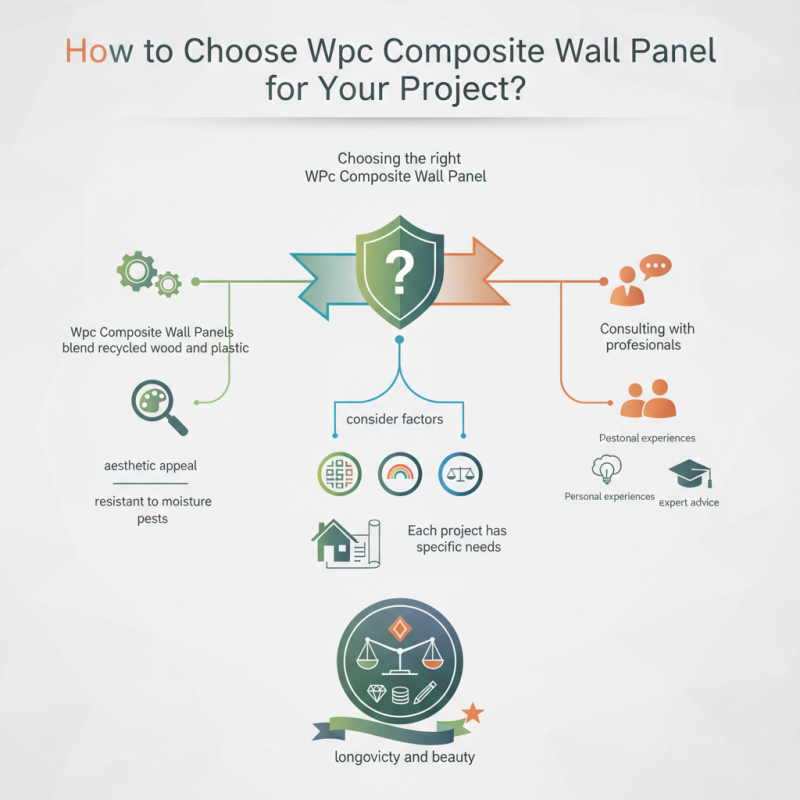
Wpc Composite Wall Panels blend recycled wood and plastic, providing durability and aesthetic appeal. They are resistant to moisture and pests, making them suitable for diverse environments. However, not all panels meet the same standards. It's essential to consider factors like texture, color, and weight. Each project has specific needs that might not align with generic products.
Consulting with professionals can help guide your selection. Personal experiences and expert advice add depth to your decision-making process. Ultimately, it's about finding a balance between quality, cost, and design. This decision shapes the longevity and beauty of your project. Reflecting on these aspects ensures that your choice is not just based on trends, but on lasting value.
Understanding WPC Composite Wall Panels and Their Benefits
WPC composite wall panels are gaining popularity in modern construction. They combine wood fibers and plastic, making them durable and eco-friendly. These panels are resistant to moisture, insects, and fading, which enhances their longevity. They can be used in various settings, from residential homes to commercial buildings. The right choice can significantly improve the overall aesthetic and functionality of your space.
Tips: Consider the climate in your area. WPC panels perform well in wet or humid environments. Look for panels that offer good thermal insulation to enhance energy efficiency. Choose panels with UV protection to maintain their color over time.
When selecting WPC composite wall panels, think about the design. Many options are available in different textures and colors. It's essential to envision how the panels will look in your project. You might find it helpful to observe samples in natural light. This can help you better understand their appearance and suitability for your design concept.
Tips: Be mindful of installation requirements. Poor installation can lead to issues like warping or gaps. Always follow manufacturer guidelines for best results. Also, consider maintenance. While WPC panels require less upkeep than traditional wood, they still need occasional cleaning to preserve their appearance.
Identifying the Right Application for WPC Wall Panels
When selecting WPC wall panels, understanding their application is crucial. WPC, or Wood-Plastic Composite, combines wood fibers with plastic for durability and aesthetics. This makes it significant in various environments, such as outdoor spaces and humid areas. According to a report by Market Research Future, the global WPC market is expected to grow by over 10% annually from 2021 to 2026. This growth highlights its increasing relevance in construction.
The right application for WPC panels largely depends on climate and usage. For example, in regions with high moisture, WPC panels prove advantageous due to their water-resistant properties. They are ideal for decking, fences, and siding. However, improper installation can lead to warping or fading. A study from a leading construction industry journal noted that about 15% of WPC installations fail due to improper alignment or lack of ventilation.
Aesthetics also play a key role. WPC panels come in various colors and textures, making them suitable for diverse architectural styles. Nonetheless, consumers should weigh the visual appeal against potential maintenance issues. While WPC requires less upkeep than traditional wood, fading may still occur. It's important to consider how these factors resonate with the specific needs of your project.
Key Factors to Consider When Selecting WPC Composite Wall Panels
When selecting WPC composite wall panels, several key factors come into play. Understanding the environment where the panels will be installed is crucial. Consider weather conditions like rain, humidity, or extreme temperatures. Panels should resist warping or fading under sunlight. A good choice is one that withstands these elements while maintaining its aesthetic appeal.
Another important aspect is the thickness and density of the panels. Thicker panels often provide better insulation and durability. However, they may also increase costs or weight. It’s essential to find a balance between cost efficiency and quality. The finish and texture of the panels also matter. Choose finishes that are easy to clean and maintain.
Finally, always check for certifications or industry standards. Panels should meet safety and environmental regulations. This adds a layer of credibility to your project. It's advisable to consult with professionals who can offer insight into the suitability of specific panels for your needs. Trust their expertise to guide your decisions. It may feel overwhelming at times, but each factor plays a role in the overall success of your project.
Comparing Different Types and Brands of WPC Wall Panels
When selecting WPC (Wood Plastic Composite) wall panels, consider their different types and brands. WPC panels are popular for their durability and aesthetic appeal. Different brands may offer varying qualities and finishes. Some panels feature a matte finish, while others provide a glossy option. The choice should align with your design vision.
Compare the composition of panels across brands. Some manufacturers use higher percentages of wood, enhancing the natural look. Others focus more on plastic content, leading to improved moisture resistance. It's essential to check technical specifications. Look for fire ratings, warranty terms, and environmental certifications. These will indicate overall quality and reliability.
Evaluate customer reviews and industry feedback. This can offer insights into the long-term performance of the panels. Sometimes, a lower cost can mean sacrificing durability. Be cautious; not all brands deliver on their promises. In the end, choose panels that meet your project's needs while offering longevity and a visual appeal.
Installation and Maintenance Tips for WPC Composite Wall Panels
When installing WPC composite wall panels, proper preparation is crucial. Ensure the wall surface is clean and free from debris. Use leveling tools to confirm that the surface is straight. This helps avoid potential issues during installation. Before beginning, read the manufacturer's installation guidelines thoroughly. These instructions provide insight into specific requirements for your project.
Maintenance is key to prolonging the life of WPC panels. Regularly inspect the panels for signs of wear or damage. Clean them with mild soap and water to prevent dirt buildup. Heavy-duty cleaners may cause discoloration or harm the panel surface. Though WPC is designed to resist moisture, it’s wise to address any water buildup promptly to avoid long-term effects.
While WPC panels are durable, improper installation can lead to problems. Gaps between panels can allow water infiltration. Therefore, precision during installation is essential. Evaluate the need for sealants in high-moisture areas. This precaution can enhance the durability of your panels. Reflecting on the installation process can reveal improvements for future projects. Take note of what worked well and what could be adjusted next time.