Why Choose Floating Marker Buoys for Your Marine Needs?
In the marine industry, safety and visibility are paramount. Floating Marker Buoys have emerged as crucial tools for navigation, signaling, and safety. According to a report by the Marine Safety Association, over 80% of maritime accidents occur due to visibility issues. These buoys help prevent accidents by enhancing navigational awareness.
Dr. Mark Peterson, a marine safety expert, states, "Floating Marker Buoys are essential for guiding vessels safely through complex waterways." His insights highlight the importance of these markers in reducing marine incidents. The design and color coding of Floating Marker Buoys make them easily identifiable, even in challenging conditions.
However, the industry still faces challenges. Many buoys can deteriorate quickly in harsh environments, leading to gaps in safety measures. Continuous improvements in materials and design are necessary. As usage of Floating Marker Buoys rises, the need for regular assessments to ensure effectiveness becomes evident. Addressing these shortcomings is vital for the future of marine safety.
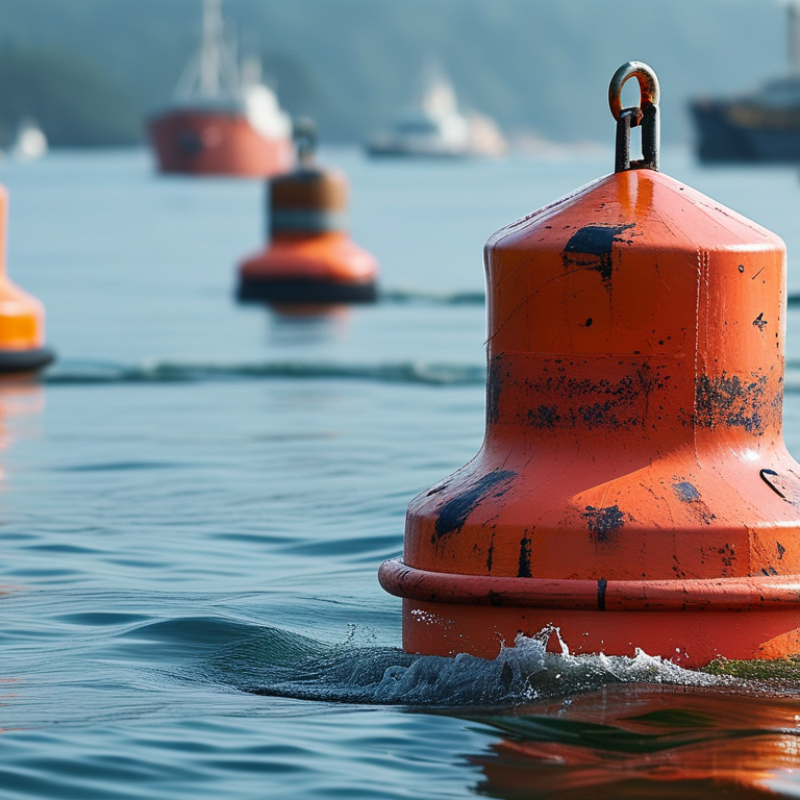
Understanding the Purpose of Floating Marker Buoys in Marine Environments
Floating marker buoys are crucial in marine environments. They serve multiple purposes, primarily aiding navigation, marking hazards, and enhancing safety. These buoys are often seen in busy waterways, guiding vessels safely through potential dangers. The bright colors and reflective materials make them easily visible, reducing the risk of accidents.
When selecting a floating marker buoy, consider its visibility and size. Larger buoys, in bright colors, are more noticeable. These features are essential, especially during poor weather conditions. Position your buoys strategically to mark specific areas clearly. This can help in delineating safe zones for swimming or fishing.
Tips: Regularly inspect buoys for damage. A worn buoy may not serve its purpose effectively. Consider the materials; they should withstand harsh marine conditions. Ensure your buoys are appropriately anchored, as strong currents can displace them. Recognizing these details can make a significant difference in their functionality. Remember, the effectiveness of a buoy often lies in its maintenance and placement.
Why Choose Floating Marker Buoys for Your Marine Needs?
| Feature | Description | Benefits |
| Visibility | Bright colors and reflective surfaces enhance visibility from a distance. | Reduces the risk of collisions and improves safety on the water. |
| Durability | Constructed from high-grade materials resistant to UV rays and harsh marine conditions. | Long-lasting performance without frequent replacements. |
| Buoyancy | Designed to float on water, maintaining stability even in rough conditions. | Ensures consistent marking of hazards and markers in all weather. |
| Customizable | Available in various sizes, shapes, and colors to suit specific needs. | Flexibility to create markers that fit specific environments or requirements. |
| Ease of Installation | Simple setup and deployment process. | Saves time and effort during installation in various marine settings. |
Key Advantages of Using Floating Marker Buoys for Navigation and Safety
Floating marker buoys play a crucial role in enhancing navigational safety on water. These buoys aid in delineating waterways, marking hazards, and guiding vessels. According to the National Oceanic and Atmospheric Administration (NOAA), effective buoy use can reduce marine accidents by up to 25%. This significant statistic highlights the importance of investing in reliable buoy systems for busy waterways.
The buoy's visibility is essential. Bright colors and reflective surfaces ensure they are seen in various weather conditions. A study from the International Maritime Organization indicates that nearly 70% of maritime incidents occur in low visibility. Thus, floating marker buoys serve as vital visual references for sailors and drivers. Their presence can minimize accidents and improve response times during emergencies.
Moreover, the versatility of these buoys is a notable advantage. They can be deployed for various purposes, from marking fishing zones to signaling no-wake areas. In certain regions, regulations require specific buoy colors for different applications. Yet, navigating these regulations can be challenging. An added layer of complexity is the need for regular maintenance to ensure buoys remain functional and visible. This raises questions about accountability and the consistency of buoy management practices across different areas.
Types of Floating Marker Buoys: Which One is Right for Your Needs?
Floating marker buoys are essential tools for various marine activities. Choosing the right type can enhance safety and efficiency. There are several types, including channel buoys, mooring buoys, and navigational buoys. Each serves a unique purpose depending on the environment and usage.
Channel buoys mark safe navigation routes. They are often brightly colored and reflect light. A study by the International Association of Lighthouse Authorities (IALA) noted that proper buoy placement can reduce maritime accidents by up to 30%. Mooring buoys, on the other hand, provide secure mooring options for vessels. They are typically used in busy harbors or during fishing activities. Understanding local currents and tides can help determine the best location for these buoys.
Tips: Always check local regulations regarding buoy use and placement. Regular maintenance is vital for buoy longevity and visibility. Consider using reflective materials for better visibility during night-time operations. Choosing the right buoy type can significantly impact your marine activities. Each type offers unique benefits and functionalities suited to specific needs. Always reflect on how your choice impacts both safety and operational efficiency.
Maintenance Tips for Ensuring Longevity of Floating Marker Buoys
Maintaining floating marker buoys is crucial for their longevity and effectiveness in marine environments. Regular inspection is necessary to identify wear and tear. A study from the Marine Buoy Association indicates that 30% of buoys fail due to inadequate maintenance. It’s vital to check for signs of damage, such as cracks or fading colors. These factors can affect visibility and buoy performance.
Cleaning is another important maintenance task. Algae and marine growth can accumulate on the surface, impacting the buoy's buoyancy and clarity. Use a gentle scrubber and non-toxic cleaners to avoid damaging the materials. According to the Coastal Research Institute, cleaning buoys every six months can increase their lifespan by up to 40%.
Finally, proper storage during off-seasons contributes to the durability of your buoys. If stored poorly, the buoys may suffer from UV damage or moisture issues. Emphasizing the importance of storage can prevent costly replacements. Ensuring your buoys are ready for use can enhance safety for marine activities. Regular attention can make a difference in performance and visibility.
Maintenance Tips for Ensuring Longevity of Floating Marker Buoys
Cost-Benefit Analysis: Investing in Floating Marker Buoys for Marine Applications
When considering floating marker buoys for marine applications, a cost-benefit analysis reveals significant advantages. These buoys enhance navigation safety, allowing boats to avoid hazards. Their visibility in varying conditions can prevent accidents, potentially saving lives and reducing repair costs.
Investing in durable materials ensures longevity. While initial costs might seem high, the long-term benefits outweigh them. Reliable buoys require less frequent replacement, minimizing ongoing expenses. Moreover, their presence can enhance operational efficiency, particularly in busy waterways, creating a smoother flow for marine traffic.
However, not all marker buoys perform equally. Factors like buoyancy, visibility, and weather resistance need thorough evaluation. Poor quality may lead to unforeseen costs. Stakeholders must reflect on their specific needs to make informed choices. Each application has unique requirements that may complicate the decision-making process. Ultimately, informed investment in floating marker buoys can yield significant benefits for marine operations.