Why Choose Brass Die Casting for Your Manufacturing Needs?
Brass Die Casting has established itself as a preferred method in manufacturing. According to industry expert Dr. Emily Carter, “Brass die casting allows for high precision and intricate designs.” This process is widely recognized for its durability and excellent finish. Companies looking to enhance their product quality should consider brass die casting as a viable solution.
The versatility of brass die casting is another significant advantage. It accommodates various designs and specifications, making it ideal for different industries, from automotive to electronics. However, selecting the right partner for die casting can be challenging. Not all manufacturers provide the same level of expertise or quality assurance. It’s crucial to research and find a reliable provider.
While brass die casting offers many benefits, there are potential drawbacks to consider. The upfront costs may be higher compared to other methods. Additionally, the process may not be suitable for very small production runs. Despite these challenges, the enduring quality and precision of brass die casting often outweigh the initial investment. As manufacturers seek efficiency and longevity, brass die casting remains a vital option.
Advantages of Brass Die Casting in Precision Manufacturing
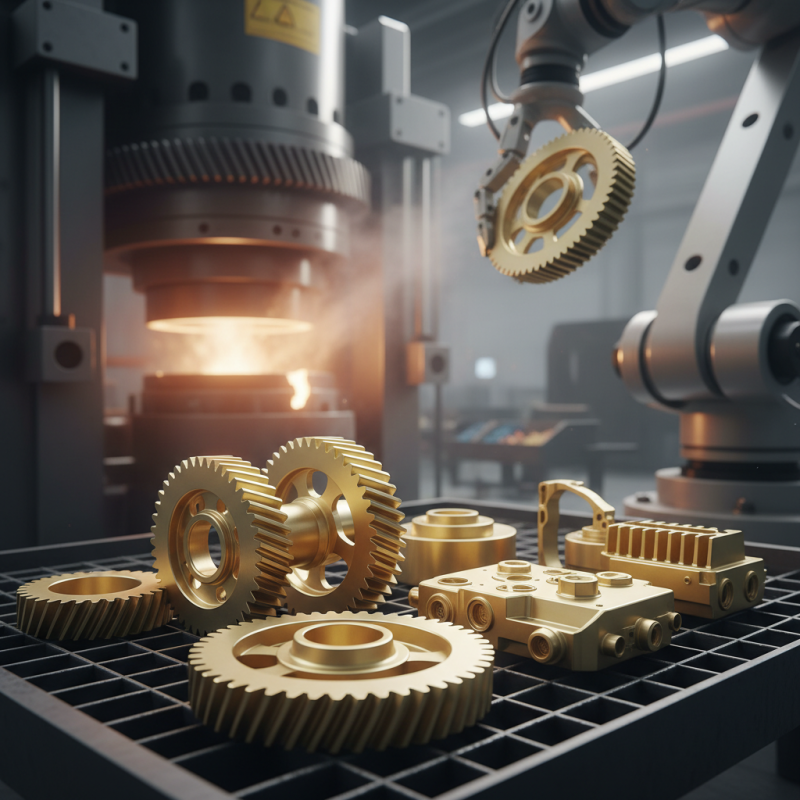
Brass die casting has gained popularity in precision manufacturing due to its unique advantages. This process involves injecting molten brass into a mold. The result is a highly accurate and repeatable product. Brass components exhibit impressive strength and durability. This makes them ideal for a range of industries, including automotive and electronics.
One notable advantage is the excellent surface finish that brass die casting can achieve. This minimizes the need for extensive post-treatment. Manufacturers often appreciate the reduced production time. However, challenges do exist. The initial investment for molds can be high, which might deter some businesses. It's essential to consider long-term production needs and costs.
Recycling is another critical factor. Brass is highly recyclable, making it a sustainable choice. However, sourcing quality alloy can be tricky. Ensuring consistency in materials is vital for maintaining product integrity. Companies must assess their suppliers carefully. This attention to detail can prevent costly setbacks in the manufacturing process. Ultimately, brass die casting offers a blend of efficiency, durability, and sustainability.
Cost-Effectiveness of Brass Die Casting Compared to Other Materials
Brass die casting offers significant cost advantages over other materials. A report from the Die Casting Association indicates that brass die casting can reduce production costs by up to 15% compared to aluminum and zinc options. This is largely due to brass's lower melting point, which leads to reduced energy consumption during the manufacturing process.
Another factor is the minimal machining waste associated with brass. Machining typically incurs additional costs and time. Brass die-cast parts can often be produced with closer tolerances, reducing the need for extensive post-processing. According to recent findings, manufacturers can achieve a dimensional accuracy of ±0.005 inches with brass die casting. This level of precision can streamline production and improve overall efficiency.
Long-term durability and corrosion resistance also add to the cost-effectiveness of brass. Parts made from brass have a longer lifespan, which can offset initial manufacturing costs. However, it is essential to consider the specific application requirements. In some cases, other materials might be preferred based on functional demands or aesthetic considerations. Being aware of the trade-offs can inform better manufacturing decisions.
Durability and Corrosion Resistance of Brass in Die Casting Applications
Brass die casting is increasingly popular in manufacturing due to its impressive features. The durability of brass makes it an excellent choice for various applications. This metal withstands wear and tear, ensuring long-lasting components. In environments where strength and resistance to corrosion are paramount, brass shines brightly. Its composition offers natural resistance to aggressive elements like saltwater and moisture.
Moreover, the corrosion resistance of brass plays a critical role in its applications. Unlike other metals, brass forms a protective layer when exposed to air. This layer helps to prevent rust, making brass ideal for outdoor fixtures or marine equipment. However, it’s essential for manufacturers to consider the specific environment of use. Factors like humidity and temperature fluctuations can affect performance over time.
Brass die casting does come with its challenges. For instance, the initial cost can be higher than other materials. Manufacturers must balance quality with budget constraints. Additionally, while brass is resilient, it can be susceptible to certain chemicals. Proper material selection and testing help in mitigating these risks. Understanding these nuances is key to maximizing the benefits of brass in die casting.
Key Industries Utilizing Brass Die Casting for Product Development
Brass die casting is gaining traction in various industries. It offers a unique combination of strength, durability, and aesthetics. This makes it ideal for many applications, especially in automotive and electronics. The intricate designs achievable through die casting enhance product functionality and appeal.
In the automotive sector, brass components are vital for performance. This material resists corrosion, maintaining integrity over time. Electronics manufacturers also benefit from brass due to its excellent electrical conductivity. It enables efficient functionality in products like connectors and switches. Companies in these fields often prioritize precision and durability; brass die casting meets these needs effectively.
Despite its advantages, there are challenges. The initial setup costs for brass die casting can be high. It may not suit every project, especially smaller runs. This demands careful consideration of project scope. Manufacturers must evaluate their specific needs, balancing any potential drawbacks against the benefits brass casting offers.
Key Industries Utilizing Brass Die Casting for Product Development
Environmental Considerations: Sustainability in Brass Die Casting Processes
Brass die casting processes are gaining traction due to their eco-friendly attributes. In recent years, the demand for sustainable manufacturing has surged. According to a report by the International Zinc Association, over 70% of manufacturers seek greener production methods. Brass die casting fits the bill, utilizing recyclable materials and reducing waste.
Using recycled brass significantly lowers the carbon footprint. A study published in the Journal of Cleaner Production revealed that employing recycled brass can reduce energy consumption by up to 80%. This not only conserves resources but also curbs greenhouse gas emissions. It's essential, however, for manufacturers to continuously assess their processes, as some methods may still create higher emissions despite using recycled materials.
Tips: Invest in advanced technology. Consider automation which enhances efficiency. Regular audits can help identify waste and streamline processes for improved sustainability. Partnering with suppliers who prioritize eco-friendly materials can also make a difference. Staying informed about industry standards and best practices is crucial. The path to sustainability in brass die casting is ongoing and requires continual evaluation and adaptation.