Best Plastic Trays for Global Procurement Needs Are You Ready?
In today's fast-paced global market, the demand for efficient and versatile packaging solutions has surged. Plastic trays have emerged as a vital component in various sectors, including food service, pharmaceuticals, and retail. According to a recent report from Smithers Pira, the global plastic trays market is projected to reach USD 11.5 billion by 2025, highlighting their importance in supply chains worldwide.
Industry expert Dr. Emily Hawthorne emphasized, “The effectiveness of plastic trays in reducing packaging waste and enhancing logistics cannot be overstated.” This insight reflects the growing recognition of plastic trays as not only cost-effective but also environmentally conscious when utilized properly. Yet, the reliance on plastic trays does invoke discussions about sustainability and recycling practices, which can be improved.
As we delve into the best plastic trays for global procurement needs, it's crucial to consider both the innovations in design and the challenges in recycling. While advancements are promising, we must also reflect on the industry's heavy reliance on plastics and seek sustainable alternatives. The journey toward responsible procurement starts with understanding both the benefits and the pitfalls of plastic trays.
Best Practices for Selecting Plastic Trays in Global Procurement
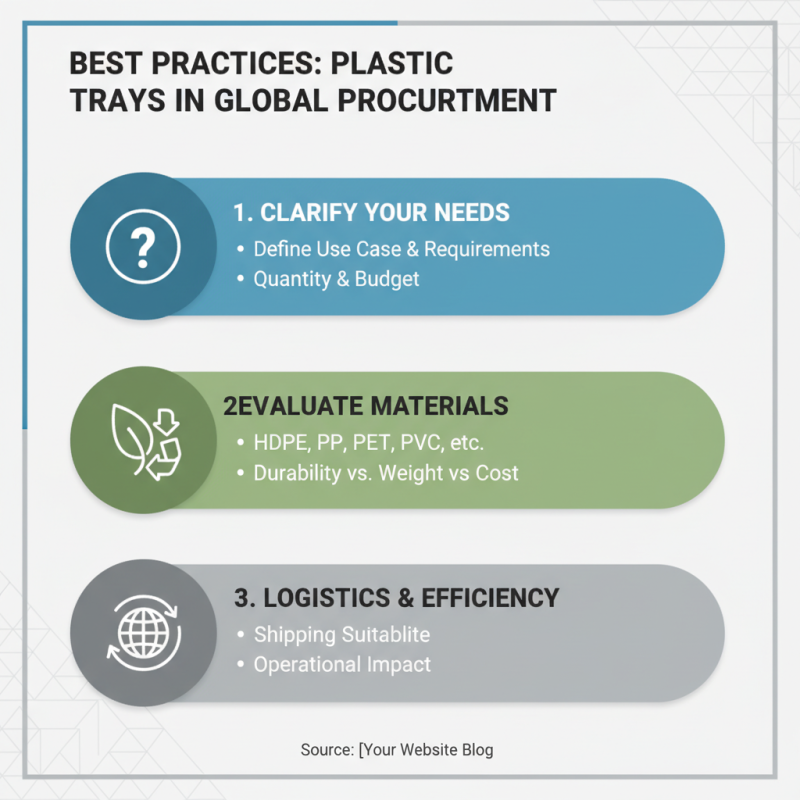
When selecting plastic trays for global procurement, clarity about your needs is crucial. Consider the materials used in the trays. Different plastics have unique properties. Some may be more durable, while others are lightweight and suitable for shipping. Understanding these characteristics can significantly impact your operational efficiency.
Scalability is another important factor. As your business grows, your tray needs may change. Evaluating manufacturers' capacity to meet increasing demands is essential. Additionally, sustainability is gaining traction in procurement discussions. Look for manufacturers that comply with environmental guidelines. This not only benefits the planet but also strengthens your brand's image.
Quality assurance processes should not be overlooked. Regular testing of trays for durability and safety can prevent future supply chain disruptions. Lastly, cultural differences in global markets can influence product preferences. Engage with local stakeholders to gather insights. Ignoring these aspects may lead to misaligned choices in procurement strategies. Achieving the best selection of plastic trays requires vigilance and thoughtful consideration of these varied factors.
Understanding Material Types: Polypropylene vs. Polyethylene Trays
When choosing plastic trays, understanding the material types is crucial. Polypropylene (PP) and polyethylene (PE) are two widely used options. Both materials have unique properties that make them suitable for different applications.
Polypropylene trays are known for their rigidity. They withstand higher temperatures and resist chemical exposure better than polyethylene. This makes them ideal for food service and pharmaceuticals. However, they're generally more expensive. Manufacturing defects can also occur if not monitored closely.
On the other hand, polyethylene trays are flexible and lightweight. They are often used in agriculture and general trade. While they are less durable against heat and chemicals, their lower cost makes them attractive for bulk purchasing. Companies must weigh the benefits against the risks of breaking easily under heavy loads. Each material offers advantages and limitations that must be carefully considered to meet global procurement needs.
Best Plastic Trays for Global Procurement Needs Are You Ready? - Understanding Material Types: Polypropylene vs. Polyethylene Trays
| Tray Type |
Material |
Durability |
Temperature Resistance |
Cost (per unit) |
| Standard Tray |
Polypropylene |
High |
-20°C to 100°C |
$1.50 |
| Food Grade Tray |
Polyethylene |
Moderate |
-40°C to 90°C |
$1.20 |
| Heavy Duty Tray |
Polypropylene |
Very High |
-20°C to 120°C |
$2.00 |
| Lightweight Tray |
Polyethylene |
Low |
-30°C to 70°C |
$0.90 |
Evaluating the Economic Impact of Plastic Trays on Supply Chains
The economic impact of plastic trays on supply chains is a crucial topic for global procurement. These trays play a vital role in efficiency and cost-effectiveness. They help streamline logistics and reduce handling time. However, their environmental implications cannot be ignored. Sustainable practices are increasingly important. Many industries are reevaluating their reliance on plastic.
A shift toward reusable options is gaining traction. Companies are investing in durable trays that minimize waste. The upfront cost may be higher, but the long-term savings are significant. Understanding the trade-offs is essential. Efficient supply chains must balance cost, efficiency, and environmental impact. Decisions should be guided by both immediate needs and future sustainability goals.
Yet, not all organizations are prepared for this shift. Staff may lack training on new systems. Misunderstandings can lead to inefficiencies. It’s important to foster a culture of adaptability and continuous learning. Organizations must focus on collaborative solutions and stakeholder engagement. By addressing these challenges, companies can enhance their supply chains while remaining responsible.
Sustainability Trends: Eco-Friendly Plastic Trays in Procurement
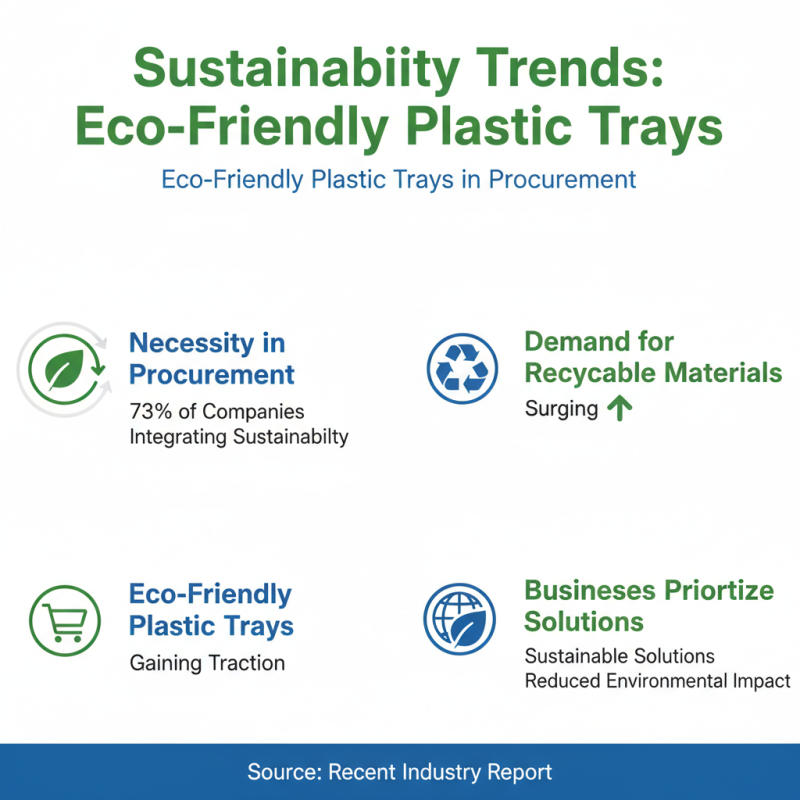
Sustainability is no longer a trend; it’s a necessity in procurement. Eco-friendly plastic trays have gained traction as businesses prioritize sustainable solutions. A recent industry report indicates that 73% of companies are integrating sustainability into their operations. The demand for recyclable materials is surging.
However, choosing the right eco-friendly tray is complex. Many products labeled as "green" may not meet strict environmental standards. An estimate shows that nearly 30% of claimed sustainable materials fail to deliver on ecological promises. This raises concerns about transparency in the supply chain.
Furthermore, the life cycle of these trays is critical. For instance, if a plastic tray can be recycled but often ends up in landfills, its environmental benefit diminishes significantly. A study from the Global Institute for Sustainable Procurement highlights that effective disposal methods can enhance sustainability. Yet, only 45% of organizations actively implement recycling programs for their procurement items. This gap reflects a need for renewed focus on actual environmental impacts, challenging companies to advance their sustainability credentials genuinely.
Key Industry Standards and Certifications for Quality Assurance
When considering plastic trays for global procurement, adhering to industry standards is vital. Certifications like ISO 9001 ensure that products meet quality management principles. This includes a strong focus on customer satisfaction. According to a recent report, organizations with these certifications can reduce errors by 30%. This statistic highlights the importance of aligning with recognized standards.
Selecting trays comes with its challenges. Certain certifications, such as NSF or FDA approval, are necessary for food-related applications. Failing to verify these standards can lead to product recalls, which are costly. Make sure to check for compliance before finalizing your procurement decisions. Quality assurance is a continuous process, requiring ongoing evaluation.
Tips: Always request certification documentation from suppliers. This confirms that their products meet established industry standards. Regular audits of supply chains can also help maintain quality. A proactive approach is essential to avoid potential pitfalls in procurement.