Who Are the Best Packing Covers Manufacturers in China?
Choosing the best Packing Covers manufacturers in China requires more than comparing factory prices. Buyers must examine material performance, production control, export experience, and documented quality systems.
Industry data shows why this category deserves careful evaluation. Smithers’ packaging research identifies continued growth in protective and flexible packaging, driven by e-commerce, logistics, and industrial supply chains. Grand View Research also reports strong expansion in China’s packaging market, although estimates differ by product definition and research method. This difference matters. “Packing Covers” may refer to pallet covers, dust covers, machinery covers, container liners, or custom protective fabric products.
Reliable manufacturers should explain these distinctions clearly. A capable factory can recommend suitable fabrics, such as woven polypropylene, PE film, PVC-coated fabric, or breathable nonwoven material. It should also provide measurable specifications, including fabric weight, thickness, tensile strength, seam construction, closure type, and UV resistance. Small details matter. A weak seam can fail during stacking.
Reports from ISO and established packaging testing laboratories emphasize traceability, repeatable inspection, and controlled production processes. Therefore, buyers should request factory audit records, sample approvals, batch inspection reports, and relevant test certificates. Production photographs can help, but they are not proof alone.
No single ranking is perfect. Supplier capability may change after an audit, especially when production is subcontracted. The strongest manufacturers combine transparent communication with consistent samples, realistic lead times, and responsive after-sales support. This guide evaluates China’s leading options through practical criteria, not promotional claims, while recognizing that every application requires its own technical review.
What Are Packing Covers and How Are They Used?
Who Are the Best Packing Covers Manufacturers in China?
What Are Packing Covers and How Are They Used?
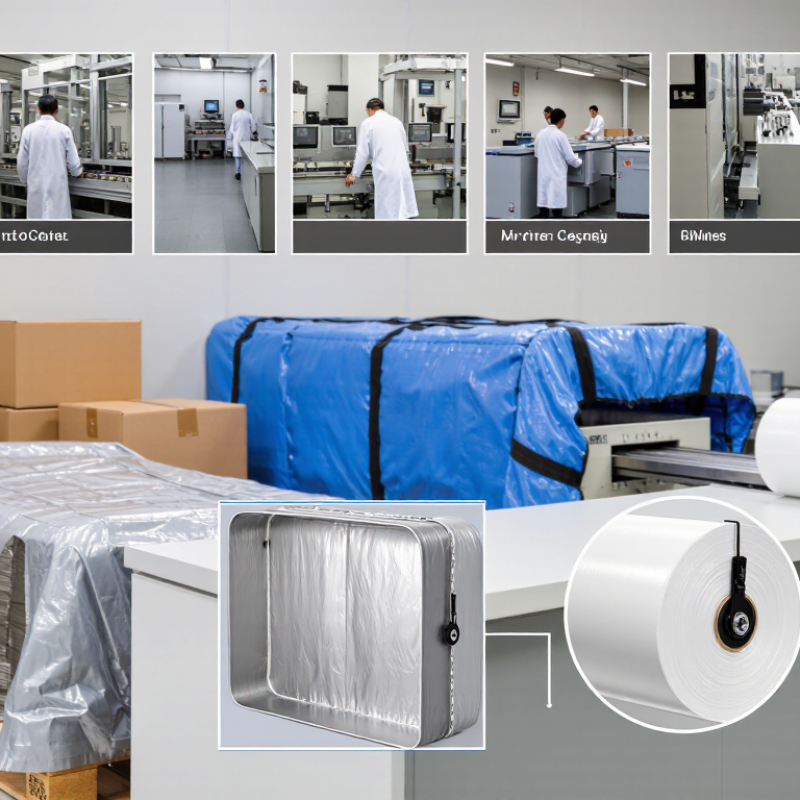
Packing covers are protective sheets placed over products during storage, handling, or transport. They help reduce dust, moisture, scratches, and exposure to sunlight. Common materials include polyethylene film, polypropylene woven fabric, and laminated textiles.
A warehouse may use a cover over palletized furniture, machinery, building materials, or agricultural equipment. The cover should fit closely without pressing fragile edges. Some designs include elastic hems, drawstrings, eyelets, or sewn straps. These details make removal faster and reduce shifting during loading.
The best manufacturers in China usually offer material samples, clear measurements, and documented quality checks. Experienced suppliers can adjust thickness, color, size, and printing requirements. They should also explain tear strength, water resistance, temperature limits, and packaging methods in practical terms.
Thicker is not always better. A heavy cover may increase handling costs and still fail at weak seams. I would inspect stitching, corner reinforcement, and surface consistency before placing a large order. Requesting a pre-production sample is wise, although samples may not fully represent mass production. Reliable factories should accept reasonable inspection procedures and provide traceable production details. Ask how rejected pieces are handled. That answer often reveals more than a sales promise.
What Makes a Packing Cover Manufacturer Reliable?
When evaluating packing cover manufacturers in China, reliability begins with evidence, not attractive catalogs. An experienced factory should explain fabric weight, coating type, seam construction, and tolerance limits in plain English. Ask for production samples from the same line that will handle your order. Samples made only for sales may hide ordinary factory performance. That detail matters.
Look for documented inspections at incoming material, cutting, sewing, and final packing stages. Quality records should show dates, quantities, defects, and corrective actions. Photos help, but they cannot replace physical testing. Independent test reports can confirm tear strength, water resistance, color stability, and dimensional accuracy. Still, paperwork alone is not enough. A factory must connect test results with real production habits.
Reliable manufacturers also control changes carefully. They should identify fabric batches, sewing operators, inspection results, and shipment quantities. Traceable records make problems easier to investigate. Communication reveals another important weakness. Clear answers usually come from teams that understand their process. Some promises sound polished. In my experience, small details expose reliability. A minor stitching defect may reveal rushed training or weak supervision. Manufacturers that admit mistakes and explain their corrective actions often deserve closer attention. One point deserves reflection: overly rigid suppliers may protect their procedures better than your actual needs. Real reliability includes listening, testing, documenting, and improving when the first solution is not quite right.
Which Types of Packing Covers Are Made in China?
Chinese manufacturers produce several packing-cover types for factories, warehouses, farms, and export logistics. Woven polypropylene covers are common for pallets, cement bags, grain sacks, and bulk goods. Their cross-laminated structure resists tearing and light moisture. Polyethylene covers offer lower cost and flexible sizes. They suit cartons, machinery, furniture, and temporary outdoor storage.
For tighter loads, Chinese factories make shrink covers and stretch-hood films. Heat shrinks the first type around a pallet. The second uses elastic film and usually needs no heating. Reusable polyester or PVC-coated fabric covers protect machinery during transport. FIBC liners and dust covers serve powders and granular materials. Nonwoven covers are lighter, but their protection is limited. This distinction is easy to miss.
The OECD Global Plastics Outlook reports that packaging created about 40% of global plastic waste in 2019. That figure increases pressure for reusable designs and recyclable materials. The Ellen MacArthur Foundation also identifies reuse as a key packaging strategy. In practice, buyers should check fabric weight, seam strength, UV resistance, and closure quality. A thick cover is not automatically better. Some suppliers still describe short-term tarpaulins as long-life products. Independent testing can expose that weakness. Better specifications include load conditions, storage duration, temperature range, and required reuse cycles.
China manufactures a wide range of packing covers using polyethylene, polypropylene, and woven materials. The chart shows typical material-thickness ranges commonly specified for different packing-cover types; actual specifications vary according to load, weather resistance, sealing method, and end use.
How Do Chinese Manufacturers Ensure Product Quality?
Chinese packing cover manufacturers protect quality through documented processes, not attractive samples alone. The ISO Survey 2021 recorded 426,716 ISO 9001 certificates in China, showing the scale of formal quality management. Yet certification is only a framework. Buyers should inspect incoming fabric, coating thickness, seam strength, and finished dimensions. A practical factory check may include measuring ten covers from different cartons. Small variations often reveal weak process control.
Reliable manufacturers usually test waterproof performance, tear resistance, color consistency, and load-bearing seams. They may use calibrated tensile testers and controlled water-spray equipment. For export packaging, suppliers can also reference ASTM D4169 or ISTA distribution-testing methods. These methods simulate vibration, compression, and handling during transport. The World Bank’s Logistics Performance Index 2023 also shows why this matters: shipment reliability remains a major global supply-chain concern. A cover that passes production inspection can still fail after repeated folding, heat exposure, or container movement.
Factory experience matters here. Ask for batch records, inspection photographs, material certificates, and corrective-action reports. Quality teams should sample products before loading, not only after complaints. AQL sampling can reduce guesswork, although it cannot replace a clear specification. I have seen buyers focus on fabric weight while overlooking needle holes near corner straps. That is an easy mistake. Good manufacturers welcome third-party inspections, but even strong systems need review because human checks remain imperfect.