Best Corrugated Trays for Your Packaging Needs?
In the world of packaging, choosing the right materials is crucial. Corrugated trays have gained attention for their durability and versatility. Renowned packaging expert, David Thompson, once stated, "Proper use of corrugated trays can elevate your product presentation." This highlights their importance in various industries.
Corrugated trays are designed to provide strength and protection. They are lightweight yet sturdy, making them ideal for shipping and storage. With various sizes and designs available, businesses can find the perfect fit for their products. However, not all corrugated trays are created equal. There are essential factors to consider, such as thickness, flute size, and environmental impact.
Many companies overlook these details, leading to suboptimal choices. Cost-saving measures may drive decisions, but long-term benefits must be prioritized. Selecting the right corrugated trays can enhance brand image and reduce waste. Reflecting on your packaging strategy will make a difference in today’s competitive market.

Understanding Corrugated Trays: A Comprehensive Overview
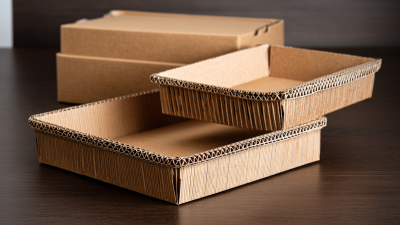
Corrugated trays are a popular choice in packaging for various industries. They offer durability and protection for products during transit. These trays are lightweight yet strong, making them ideal for shipping different items. From food to electronics, these trays serve diverse needs.
When considering corrugated trays, think about their design and structure. Each tray can be customized for size and shape. This flexibility is crucial for accommodating different products. However, not all designs are perfect. Some might not stack well or fail to provide sufficient support. It's essential to assess the potential flaws in design and functionality.
The materials used in corrugated trays also matter. High-quality liners and fluted mediums can enhance durability. Yet, cheaper options might seem tempting but can lead to issues like tearing. Evaluating the trade-offs is vital. Not every tray will meet your expectations, making critical assessments necessary. When choosing trays, reflect on your specific needs and consider adjustments for the best outcome.
Best Corrugated Trays for Your Packaging Needs
This chart represents the average preference scores of various corrugated tray types based on their attributes such as durability, cost-effectiveness, aesthetic appeal, and environmental sustainability.
Types of Corrugated Trays and Their Specific Uses
When selecting corrugated trays, knowing the types and their uses is crucial. There are various types available, each suited for specific packaging needs. Classic flat trays are ideal for stacking and displaying products. They provide strength and protection, minimizing damage during transport. Reports indicate that using quality corrugated trays can reduce damages by about 30%.
Another option is partitioned trays, designed for items like glassware or electronics. The divisions keep products safe and organized. These trays can significantly lower the risk of breakage during shipping. A survey in the packaging industry showed that over 40% of shippers prefer partitioned trays for fragile items due to their effectiveness.
**Tips:** Always consider the weight of your products. Heavier items need sturdier trays. It’s wise to test samples before placing bulk orders. Think about storage requirements too. Using trays that stack well can save space.
Be mindful of the environment. Some corrugated trays are recyclable or made from recycled materials. This can align your packaging choices with sustainable practices—a growing demand in consumer markets. Remember that too much focus on cost can risk quality. Evaluating both aspects is essential for successful packaging.
Best Corrugated Trays for Your Packaging Needs
| Tray Type |
Material |
Dimensions (L x W x H) |
Uses |
Load Capacity |
| Regular Slotted Container (RSC) |
Single-wall corrugated fiberboard |
24" x 18" x 12" |
Shipping and storage of large items |
50 lbs |
| Die-Cut Tray |
Double-wall corrugated fiberboard |
16" x 12" x 4" |
Retail display and product packaging |
30 lbs |
| Full Overlap Tray (FOL) |
Single-wall corrugated fiberboard |
18" x 18" x 6" |
Storage and stacking |
40 lbs |
| Nested Trays |
Single-wall corrugated fiberboard |
14" x 10" x 4" |
Dessert and bakery product packaging |
25 lbs |
| Tray with Lids |
Double-wall corrugated fiberboard |
20" x 16" x 8" |
Food items and electronics packaging |
60 lbs |
Factors to Consider When Choosing Corrugated Trays
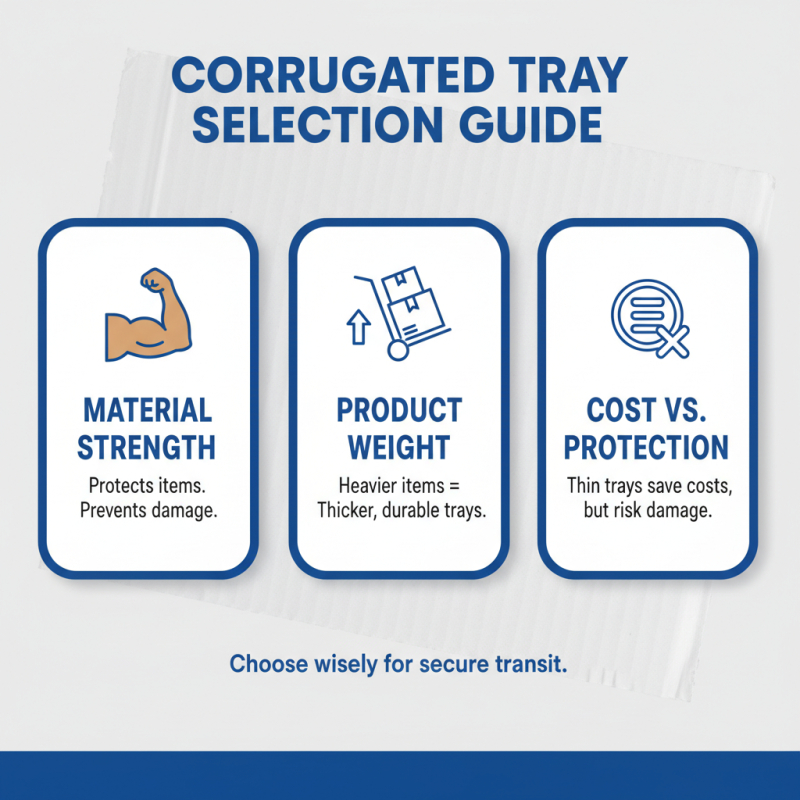
When selecting corrugated trays for packaging, several factors come into play. Material strength is crucial. You want a sturdy design that protects items during transit. Thin trays may save costs but often lead to damages. Think about the weight of your products. Heavier items need thicker, more durable trays.
Size is another important element. Trays must fit your products snugly. Too much space can lead to movement and breakage. On the flip side, trays that are too tight can cause damage during packing. Custom sizes can be an option, but they might require more time and cost.
Another factor is the environment. Consider using recycled materials, if possible. They are better for the planet and can appeal to eco-conscious customers. However, they may not always provide the same durability. Quality should never be sacrificed, even when trying to be eco-friendly. Packaging reflects your brand's values. It’s worth investing time and thought into making the right choice.
Benefits of Using Corrugated Trays in Packaging
Corrugated trays are an essential choice in packaging. They offer several benefits that enhance product safety and presentation. These trays are lightweight, which reduces shipping costs. Their design provides excellent structural support, protecting items during transit. Moreover, they are customizable in size and shape, allowing businesses to create tailored solutions.
Using corrugated trays also contributes to sustainability. Made from recycled materials, they are easy to recycle after use. This aspect attracts environmentally conscious consumers. Additionally, these trays can help maintain product freshness. Their ventilation features allow air circulation, which is crucial for perishable goods.
However, some may overlook potential downsides. Corrugated trays can be susceptible to moisture, affecting their strength. Companies need to consider the environment in which the trays will be used. While they have many advantages, specific conditions might necessitate alternative packaging solutions. Understanding these factors is vital to make informed packaging decisions.
Sustainable Options for Corrugated Tray Solutions
Sustainable packaging has become essential for businesses seeking eco-friendly solutions. Corrugated trays are a popular choice due to their versatility and durability. Many manufacturers are now focusing on sustainable materials. These trays can be made from recycled paper products. They are biodegradable and often made from renewable resources.
Using sustainable corrugated trays reduces environmental impact. Businesses can cut down on waste with these trays. They can be reused multiple times before recycling. This not only saves money but also benefits the planet. However, sourcing eco-friendly options can be challenging. Not every supplier offers sustainable materials. It requires careful consideration and research.
Some might overlook the importance of the production process. Even sustainable materials can have a heavy carbon footprint if not made responsibly. Companies need to ask questions about their suppliers. Transparency about materials and processes is vital. Making informed choices supports a greener future. It can stimulate change within the industry. A collective effort is necessary for lasting impact.