What is the Best Conveyor Accessories for Your Industry Needs?
In the world of material handling, selecting the right Conveyor Accessories is crucial. Experts agree on the impact of these components on productivity. John Stevens, a leading figure in conveyor systems, once stated, "The right accessories can elevate your operation beyond the ordinary." His insight reflects the significant role these accessories play in various industries.
Conveyor Accessories come in many forms, from rollers and belts to guides and supports. Each plays a vital role in ensuring smooth operations. Companies must assess their unique needs to choose effectively. Ignoring this step can lead to inefficiencies and costly delays.
Moreover, understanding the specific demands of your industry is essential. Not all accessories are created equal. Some may be better suited for heavy-duty applications, while others work well in food processing environments. Reflecting on these choices can lead to better performance and reliability in operations.
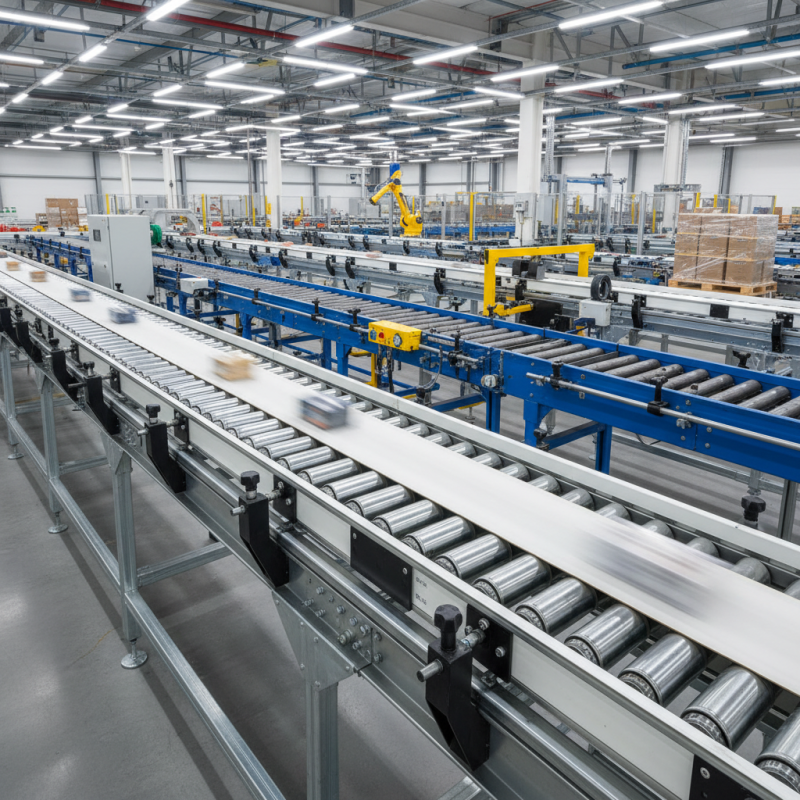
Understanding Conveyor Accessories and Their Importance
Conveyor systems are pivotal in various industries. Selecting the right accessories is essential for efficiency. Proper accessories enhance performance and prolong equipment lifespan. Industry reports indicate that 70% of conveyor issues stem from inadequate or poor-quality accessories.
Conveyor accessories include rollers, belts, and pulleys. Each plays a distinct role in the system's functionality. A well-matched accessory can reduce operational costs by 30%. However, businesses often overlook these components during procurement. This can lead to performance bottlenecks and increased downtime.
Regular maintenance is crucial. Many facilities neglect this aspect, leading to unexpected failures. Industry experts recommend that businesses invest time in understanding accessory specifications. Doing so ensures optimal performance and safety standards. Furthermore, keeping abreast of evolving accessory technologies can significantly impact productivity levels over time.
Types of Conveyor Accessories Tailored to Industry Requirements
When considering conveyor accessories, it is essential to choose those that meet specific industry requirements. Various types of accessories can enhance conveyor systems across sectors. For instance, in food processing, sanitary belts and washdown motors are crucial. They ensure cleanliness and compliance with health standards. Automotive industries often focus on durable rollers and adjustable supports for heavy loads.
Tips: Always assess the environment where the conveyor operates. Humidity, temperature, and material type can influence your choice.
Additionally, packaging industries benefit from accessories like automatic guides and side rails. These components improve efficiency and reduce downtime. Assessing your unique processes is vital. Sometimes, the latest accessory isn’t the best fit. Custom solutions might be necessary to address specific challenges or inefficiencies.
Tips: Monitor the performance of accessories regularly. This can highlight areas for improvement and help identify new needs.
Key Factors to Consider When Selecting Conveyor Accessories
When selecting conveyor accessories, several key factors should be considered. Efficiency is paramount. According to a report by the Conveyor Equipment Manufacturers Association, optimally chosen accessories can boost productivity by 15%. It's crucial to assess the specific needs of your operation. For example, the type of materials being handled can significantly impact accessory choice.
Durability is another critical consideration. Accessories must withstand the wear and tear of daily operations. A study published in the Journal of Material Processing Technology indicates that poor-quality accessories can lead to a 30% increase in maintenance costs. Proper selection based on industry standards can mitigate these expenses.
Flexibility also plays a vital role. Industries vary in their requirements, from food production to automotive assembly. Adapting accessories to fit specific conditions ensures smooth workflows. Compatibility with existing systems is necessary, as incompatibility can result in operational hiccups. Thus, assessing compatibility is crucial to avoid unnecessary downtime and enhance overall efficiency in the long run.
Common Conveyor Accessories and Their Specific Applications
Conveyor accessories play a crucial role in enhancing the efficiency of operations across various industries. Different accessories cater to specific needs, shaping the workflow. For instance, belt cleaners remove debris from conveyor belts, ensuring that material transfer remains uninterrupted. This is vital in industries like mining and food processing, where contamination must be minimized.
Roller beds reduce friction and make it easier for materials to move. They are especially useful in warehouses. Choose roller beds based on load capacity to avoid unexpected breakdowns. Inspect them regularly to ensure they function smoothly.
Tips for choosing the right accessories include assessing your material types and flow rates. Understand the environment the conveyor operates in, such as temperature and humidity levels. This knowledge helps in selecting materials that resist wear and corrosion. Regular maintenance is key to prolonging the lifespan of your conveyor system. Don’t underestimate the importance of timing when replacing worn parts; timely replacements can prevent costly downtime.
Maintenance and Care for Conveyor Accessories to Enhance Longevity
Maintaining conveyor accessories is crucial for ensuring their longevity and efficiency. Regular maintenance reduces unexpected breakdowns and enhances productivity. According to industry data, proper care can extend the lifespan of conveyor components by up to 50%. This is significant considering the high replacement costs.
It's essential to conduct routine inspections. Look for wear and tear, misalignment, and lubrication needs. Address issues promptly to avoid larger problems. Dust and debris can cause friction, leading to additional wear. Cleaning conveyor accessories regularly can improve their performance and reduce downtime.
**Tip**: Create a maintenance schedule that fits your operation. Document inspections and repairs for reference. This helps track patterns and identify recurring issues.
Consider the environment in which your conveyor operates. Harsh conditions can accelerate damage. Using protective covers can mitigate these effects. Training employees on proper use and care is equally important. They are the first line of defense in maintaining conveyor system integrity.
**Tip**: Invest in quality materials and tools for repairs. This can reduce the frequency of issues and improve efficiency. Remember, a little preventive care today can save significant costs in the future.
Analysis of Conveyor Accessories Impact on Industry Efficiency