2026 Best NCR Carbonless Paper 2 Part for Global Buyers
Choosing the right Ncr Carbonless Paper 2 Part can shape the clarity, speed, and reliability of everyday business documentation. In 2026, global buyers are comparing more than price. They are checking sheet performance, print quality, packaging, and supplier consistency. A well-made two-part set creates a clear original and duplicate without carbon sheets. It suits invoices, delivery notes, purchase records, service forms, and internal transaction documents.
The details matter. Buyers should review paper size, color sequence, basis weight, coating uniformity, and compatibility with laser, inkjet, or impact printers. A clean duplicate depends on steady pressure and properly matched sheets. Poor coating may produce pale copies, smudged text, or uneven results near the page edges. That problem is easy to overlook during a small sample test. It deserves closer attention.
Reliable sourcing also requires practical verification. Request technical data, production samples, carton specifications, and recent quality records. Confirm whether the supplier can maintain the same performance across repeated orders. Moisture protection is important during long-distance shipping, especially in humid regions. Packaging should keep corners flat and surfaces clean. Certifications can support trust, but they should be checked against the actual product and market requirements. No supplier is perfect. Even experienced buyers can miss a small packing weakness or a vague tolerance statement. This guide examines the strongest options for global purchasing decisions, while recognizing that local printing equipment and document habits may influence the final choice.
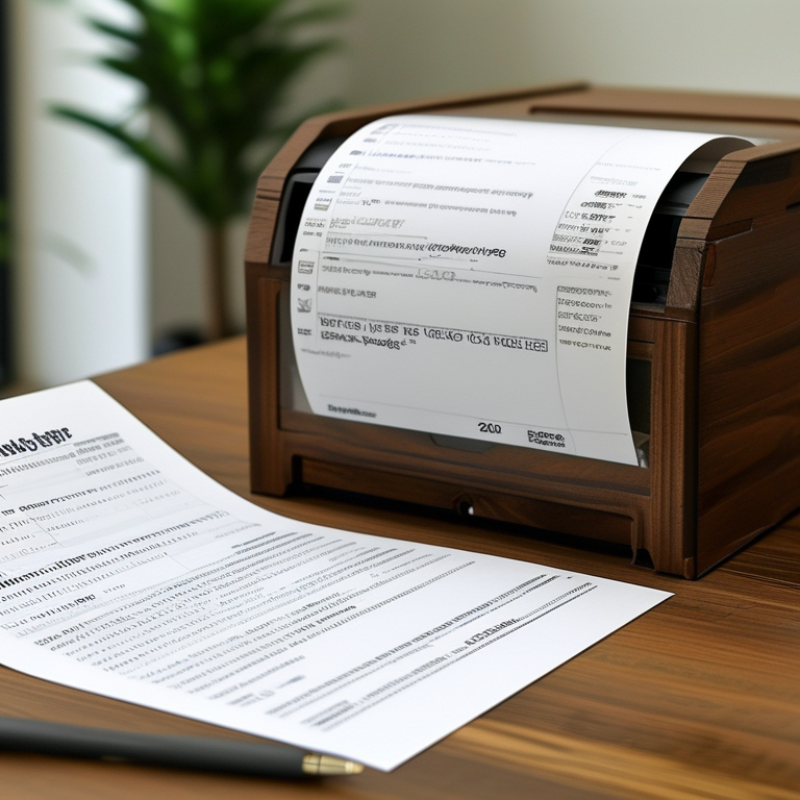
What Is 2-Part NCR Carbonless Paper?
What Is 2-Part NCR Carbonless Paper?
Two-part NCR carbonless paper creates duplicate records without carbon sheets, ribbons, or copying machines. It uses a coated top sheet and a coated bottom sheet. Pressure from handwriting or printing activates microcapsules on the lower surface. The image then appears on the receiving sheet beneath it.
The top sheet is usually the original, while the bottom sheet becomes the duplicate. A delivery note, service receipt, or order form can produce two readable copies at once. Paper weight, coating quality, and machine compatibility affect the result. In practical testing, firm writing pressure gives darker duplicates, but excessive pressure may damage delicate forms. Keep the sets flat and dry. Humidity can reduce image clarity.
For global buyers, checking sheet size, basis weight, color sequence, and packaging is essential. A blue or pink duplicate can help staff separate records quickly. Yet color preference alone should not decide purchasing. Ask for a sample run using the intended printer and pen. Some forms perform well by hand but show uneven transfer in laser printing. That difference is easy to miss. Suppliers should provide measurable specifications, production samples, and inspection details. Buyers should also review storage conditions, because sound paper may underperform after long exposure to heat.
How 2-Part NCR Carbonless Paper Works
Two-part NCR carbonless paper creates a duplicate without carbon sheets or liquid ink. Its structure is simple, but highly sensitive.
The top sheet, called CB, carries microscopic capsules on its reverse side. These capsules contain a color-forming solution. The bottom sheet, called CF, has a reactive coating on its front. Pressure from a pen, printer, or form feeder breaks the capsules. The solution then reacts with the developer and produces a dark image on the lower sheet. No separate carbon layer is needed. That is the key mechanism.
Recent market analyses from Smithers and Future Market Insights place carbonless paper within a growing specialty-paper sector, with global demand supported by logistics, invoices, delivery records, and service forms. Forecasts commonly indicate steady growth through the late 2020s, although reported market values differ by research method. Buyers should treat broad forecasts carefully. They are not always directly comparable.
Performance depends on more than coating chemistry. A firm writing point usually creates sharper duplication. Excessive pressure can damage forms or create unwanted marks. High humidity may slow handling, while dry storage can increase curl and static. ISO 9706 offers useful guidance for permanent paper, but it does not replace application testing. Check image density, feeder performance, shelf life, and legibility after scanning. Small trials matter. A two-part set can look excellent by hand yet perform poorly in automated equipment. That assumption needs checking.
2026 Best NCR Carbonless Paper 2 Part for Global Buyers
How 2-Part NCR Carbonless Paper Works
A 2-part NCR form contains one top sheet and one bottom sheet. The reverse side of the top sheet carries CB microcapsules filled with dye, while the face side of the bottom sheet carries a CF developer coating. Writing pressure breaks the capsules, allowing the dye to react with the developer and create a duplicate without carbon paper.
Key Specifications and Quality Standards
For global buyers, 2-part NCR carbonless paper should be specified by measurable performance, not appearance alone. A standard set uses a CB top sheet and a CF receiving sheet. Typical grammage ranges from 50 to 60 g/m² per sheet, while total set thickness often falls near 100 to 120 micrometres. Buyers should request test results based on ISO 536 for grammage, ISO 534 for thickness, and ISO 2470 for brightness. Sheet dimensions should follow ISO 216, with tolerance clearly stated.
Copy quality needs practical testing. A clear duplicate should appear after ordinary writing pressure, without patchy areas, excessive background staining, or delayed image formation. The top sheet should resist curling in humid storage. Smithers’ carbonless paper market analysis identifies logistics, invoicing, and transaction documents as continuing application areas, where consistent multi-copy performance remains important. Grand View Research also reports that demand is influenced by commercial documentation and regional distribution growth. Exact market forecasts differ between reports, so buyers should treat projections carefully.
A useful inspection includes 24-hour conditioning at controlled temperature and humidity. Test printed forms, not only blank sheets. ISO 9001-based supplier controls can support traceability, but certification alone does not guarantee good copying. I would reject a bright sheet if its duplicate image is weak. That judgment is easy to overlook. Sample approval should include handwriting, impact printing, offset printing, edge cutting, and carton storage tests. Consistency matters more than a perfect first impression.
How Global Buyers Can Select the Right Product
For global buyers, selecting the right NCR carbonless paper requires more than comparing prices. A two-part set usually includes a white top sheet and a colored copy sheet. Check whether the paper matches your forms, printers, and writing habits. Do not judge by appearance alone. Ask for technical data covering sheet weight, copy performance, coating quality, and recommended storage conditions.
Request samples before placing a large order. Test handwritten entries, impact printing, and repeated writing pressure. Examine whether the lower copy stays clear after 24 hours. Check for smudging, curling, uneven color, and difficult separation. Humidity matters. Paper that performs well in a dry warehouse may behave differently during ocean transport. A sample test can expose weaknesses early.
Reliable purchasing also depends on supplier documentation and production control. Confirm packing details, carton protection, roll or sheet dimensions, printing tolerance, minimum order quantity, and lead time. Request safety information, material declarations, and relevant environmental certificates when required by your market. Customs paperwork should match the actual product. Cheap is not always efficient. I have seen buyers overlook moisture protection, then lose time through damaged cartons and replacement orders. A written quality agreement can reduce that risk, although it cannot replace inspection. Choose the product that delivers consistent copying, stable logistics, and clear evidence of compliance.
Packaging, Shipping, and Supplier Evaluation Factors
For global buyers, two-part NCR carbonless paper must survive more than printing. It must survive packing, transit, storage, and daily handling. UNCTAD’s Review of Maritime Transport 2023 states that over 80% of world merchandise trade by volume moves by sea. That makes moisture control essential. Ask suppliers for sealed moisture barriers, corner protection, and carton compression data. A wet carton can curl sheets before they reach the press.
Packaging should show sheet size, set order, batch number, and quantity. Keep cartons flat on pallets. Avoid direct floor contact. FAO’s Pulp and Paper Capacities Survey 2023 highlights the scale and complexity of global paper production, so buyers should not rely on samples alone. Request basis weight, thickness, coating uniformity, imaging performance, and storage limits. Test the top, middle, and bottom sheets from several cartons. Small differences matter.
Shipping records also reveal supplier discipline. Check lead-time history, packing photographs, export documents, and damage rates. The World Bank’s Logistics Performance Index 2023 evaluates customs, infrastructure, tracking, and timeliness, which are practical supplier-screening factors. A supplier may offer an attractive price but weak traceability. That is a warning. A pre-shipment inspection should confirm carton counts, pallet stability, and print results. I would also repeat testing after humidity exposure, because laboratory success can feel misleading. No supplier is perfect. The evaluation should record failures, not hide them.